


What Exactly Are 'Ancient Grains'?
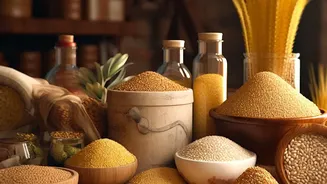
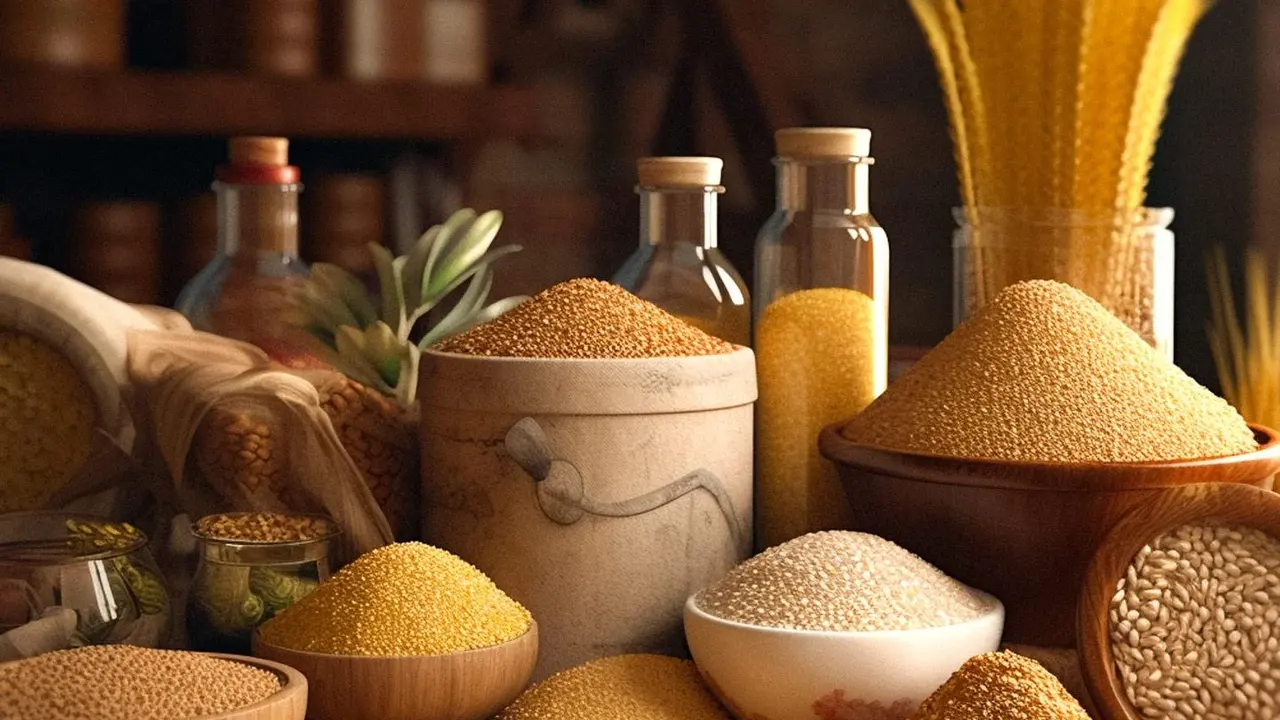
The term 'ancient grains' isn't a strict scientific classification but more of a marketing term that refers to grains that have remained largely unchanged by selective breeding over the last few hundred or even thousands of years. Unlike modern wheat,
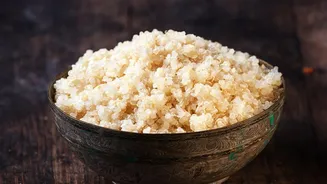
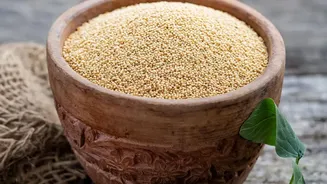
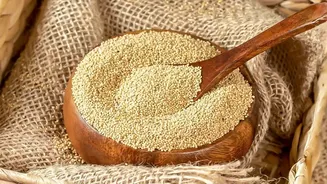
corn, and rice, which have been extensively modified for higher yields and uniform appearance, these grains are much closer to their original forms. This category includes true cereals like millet and sorghum, as well as 'pseudocereals' like amaranth and quinoa, which are technically seeds but are cooked and consumed like grains. Many people are turning to them for their impressive nutritional profiles, which are often richer in protein, fibre, vitamins, and minerals than their modern counterparts.
Millet: The Resilient All-Rounder
Often unfairly dismissed as just 'bird food', millet is a diverse group of small-seeded grasses that have been a dietary staple in parts of Asia and Africa for millennia. In India, varieties like bajra (pearl millet) and ragi (finger millet) are household names. Millets are nutritional powerhouses, packed with fibre, protein, and essential minerals like iron, magnesium, and phosphorus. They are naturally gluten-free and have a low glycemic index, which helps in managing blood sugar levels. Their high fibre content aids digestion and promotes a feeling of fullness, which can support weight management. From rotis and porridges to salads, millets have a mild, slightly sweet flavour that makes them incredibly versatile in the kitchen.
Sorghum: The Jowar We Know and Love
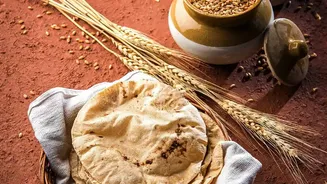
Sorghum, known locally as jowar, is another gluten-free ancient grain that has long been a staple in India, especially for making 'bhakri' or 'jowar roti'. It ranks as one of the top five cereal crops globally and is celebrated for its hardy, drought-resistant nature. Nutritionally, jowar is a fantastic source of plant-based protein, dietary fibre, and B vitamins like niacin. Its high fibre content not only improves digestion but also helps in lowering 'bad' LDL cholesterol, which is great for heart health. Sorghum is also rich in antioxidants, which are compounds that protect your cells from damage. Its slow digestion rate helps maintain stable energy levels and contributes to a feeling of satiety, making it another excellent grain for weight management.
Amaranth: The Royal Grain
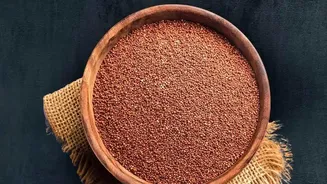
Amaranth, or rajgira, which means 'royal grain' in Hindi, was considered sacred by the ancient Aztecs. This tiny seed is a pseudocereal and a nutritional giant. One of its standout features is its high-quality protein content; it contains all nine essential amino acids, including lysine, which is often lacking in other grains, making it a complete protein. It's also packed with fibre, iron, magnesium, and phosphorus. In India, rajgira is popularly consumed during fasting periods, often in the form of 'laddoos' or 'puris'. Being naturally gluten-free, it's a great option for those with celiac disease or gluten sensitivity. Its mineral content, particularly calcium and phosphorus, contributes significantly to bone health.
Quinoa: The Global Superfood
Originally from the Andean region of South America, quinoa has exploded in popularity worldwide over the last couple of decades. Like amaranth, quinoa is a pseudocereal and a complete protein, providing all nine essential amino acids. This makes it an invaluable food for vegetarians and vegans. It's also an excellent source of fibre, iron, magnesium, and manganese. The fibre in quinoa aids in digestion, helps control blood sugar, and can lower cholesterol levels, supporting heart health. Though not traditionally Indian, its nutty flavour and fluffy texture make it highly adaptable. It works beautifully as a substitute for rice, in salads, soups, or even as a breakfast porridge.
How to Use These Ancient Grains
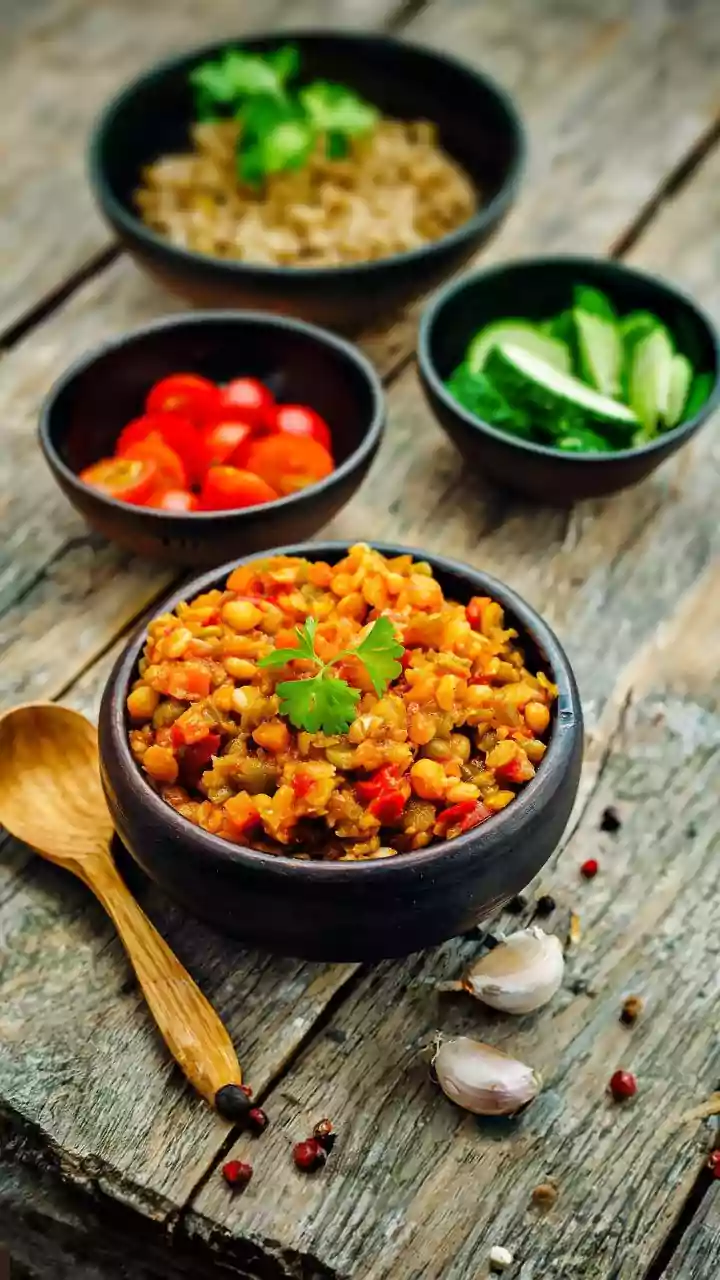
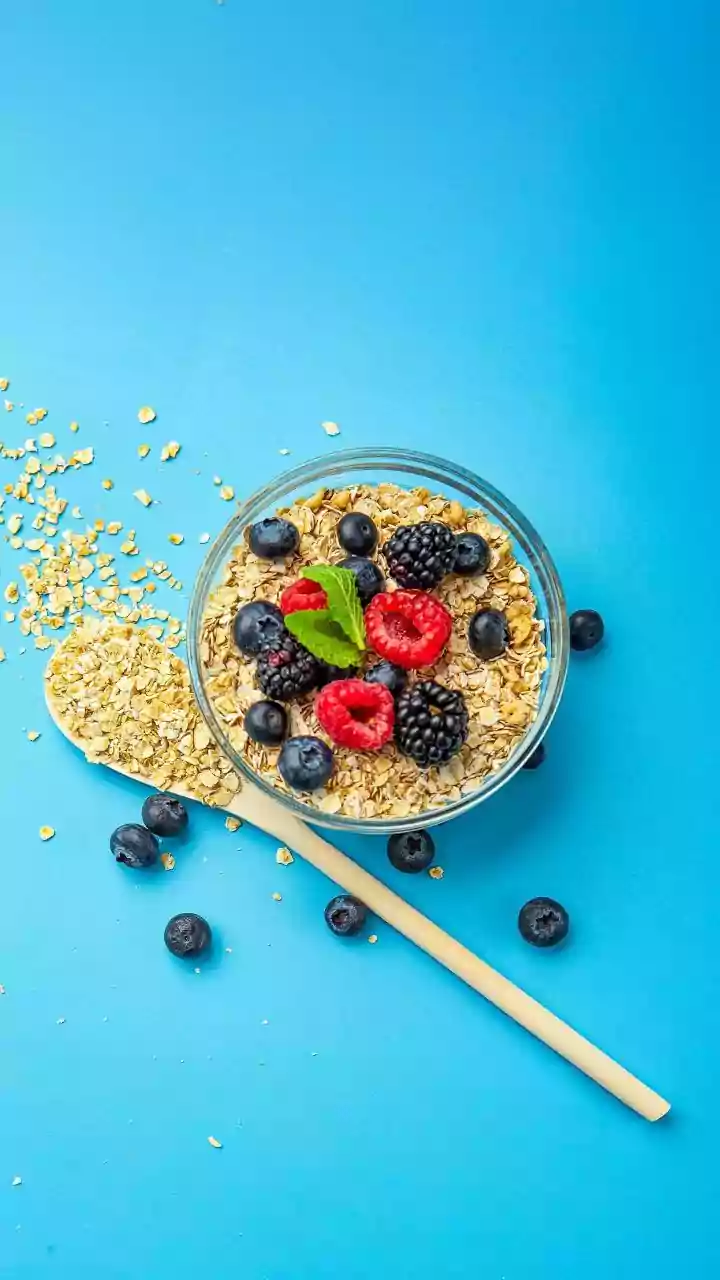
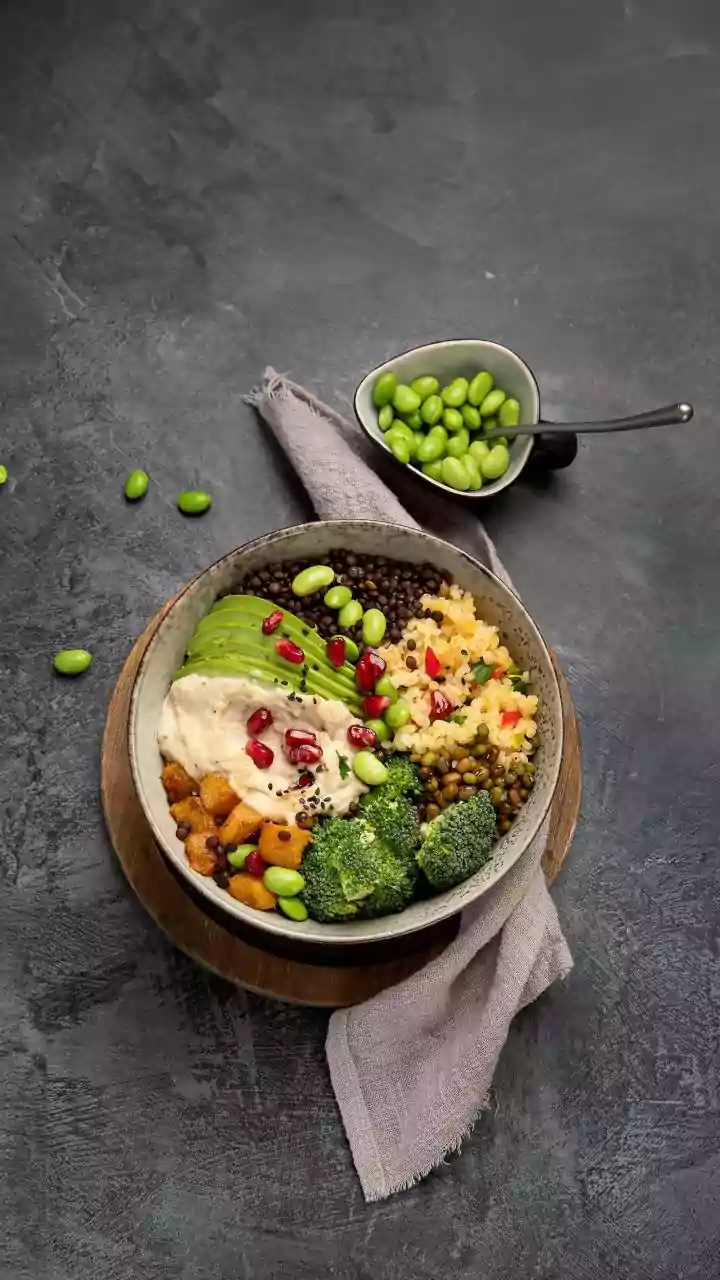
Incorporating these grains into your diet is simpler than you might think. You can start by swapping white rice with cooked millet or quinoa. Use jowar flour alongside your regular wheat flour to make rotis. Amaranth can be cooked into a porridge for breakfast or popped like corn for a crunchy snack. Most of these grains cook similarly to rice: combine one part grain with about two parts water or broth, bring to a boil, then simmer until the liquid is absorbed. Don't be afraid to experiment. Add them to salads for extra texture and protein, toss them into soups and stews to make them more substantial, or use their flours in your baking.