





Essential Documents in One Place
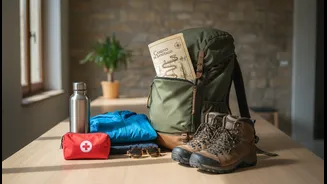
Before you pack a single piece of clothing, gather your documents. Your Yatra is impossible without them. You will need your Yatra Permit with its RFID card, a government-issued photo ID like an Aadhaar card, and the mandatory Compulsory Health Certificate
(CHC) from an authorized doctor. It's wise to keep both the original documents and digital copies in a waterproof pouch or bag to protect them from unpredictable rain.
Master the Art of Layering Your Clothing
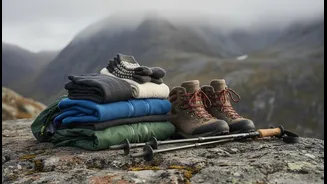
The weather in the Himalayas is notoriously unpredictable; what starts as a sunny day can quickly turn into a cold, rainy ordeal. The key to comfort and survival is layering. Avoid bulky, heavy woolens and instead opt for a three-layer system. Start with a thermal base layer to wick away sweat. Add a fleece or light wool sweater as a mid-layer for insulation. Top it all off with a waterproof and windproof outer jacket. For women, a salwar kameez or tracksuit is more practical than a saree. This system allows you to adapt to changing temperatures by adding or removing layers as needed.
Your Trekking Shoes Are Your Best Friends
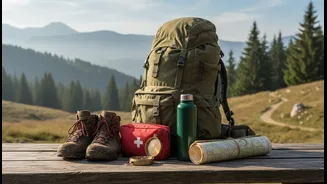
The Yatra involves long treks on uneven and sometimes slippery terrain. Investing in a good pair of waterproof trekking shoes with high ankle support is non-negotiable. Do not make the mistake of wearing new shoes for the trek; break them in by wearing them for a few weeks beforehand to avoid painful blisters. Pair your boots with warm, moisture-wicking wool socks. Avoid slippers or any open-toed footwear entirely.
A Well-Stocked but Light Medical Kit
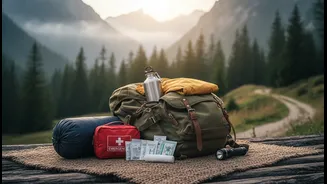
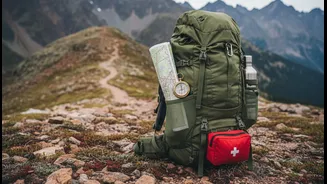
While medical camps are available along the route, carrying a personal first-aid kit is essential for immediate needs. Your kit should include basics like antiseptic wipes, bandages, pain relievers, and any personal prescription medications you take regularly. Given the high altitude, it's crucial to include medication for altitude sickness, but only after consulting your doctor. Sunscreen with a high SPF and lip balm are also vital, as UV exposure is stronger at higher elevations.
Power Up with Smart Snacks and Hydration
The strenuous trek requires a constant supply of energy. Pack lightweight, high-energy snacks like nuts, dried fruits, energy bars, and chocolates. These provide a quick boost without adding much weight to your pack. Staying hydrated is equally important to combat fatigue and prevent altitude sickness. Carry a reusable, insulated water bottle that you can refill at various points. You might also include electrolyte powders or oral rehydration salts (ORS) to replenish lost salts.
Essential Gadgets and Accessories
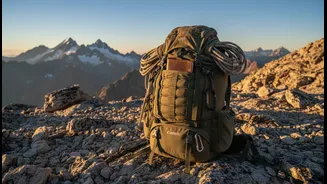
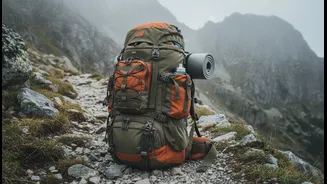
A few small items can make a big difference in your comfort and safety. A headlamp or a torch with extra batteries is crucial for navigating in the dark. A power bank is a must-have to keep your phone charged for emergencies, as prepaid mobile services do not work in the region. Trekking poles are highly recommended to provide stability and reduce strain on your knees during steep ascents and descents. Finally, pack everything in a comfortable, waterproof backpack with a rain cover.