



The Sweetest Crossover
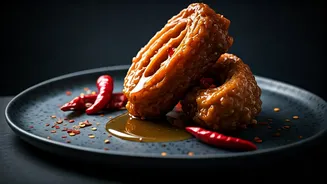
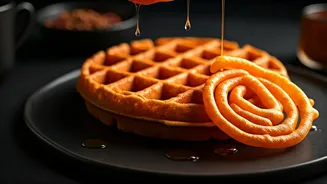
So, what exactly is a Jalebi Waffle? The beauty of this trend lies in its creative interpretations. In some cafes, it’s a classic Belgian waffle topped with miniature, crispy jalebis, a drizzle of rabri (thickened sweet milk), and a sprinkle of pistachios.
In other, more inventive kitchens, the concept is fused at a deeper level. Chefs are creating a waffle batter infused with the fermented, slightly tangy essence of jalebi batter, then pouring it into a waffle iron. The result is a single, cohesive dish that has the texture of a waffle but the unmistakable flavour profile of a jalebi. It’s a textural and flavour-packed experience that is both familiar and shockingly new, hitting nostalgic notes while feeling distinctly modern.
A Tale of Two Worlds
The appeal of the jalebi waffle goes far beyond its taste. It represents a delicious collision of cultural worlds. The jalebi is deeply rooted in Indian tradition, synonymous with festivals, celebrations, and bustling street-side stalls. It’s a comfort food passed down through generations. The waffle, on the other hand, is a symbol of Western café culture that has become wildly popular in urban India. It speaks of leisurely brunches, modern aesthetics, and global culinary trends. By combining them, chefs are creating something uniquely Indian in its 21st-century context. It’s not about replacing the old with the new, but about playfully reinventing it. This fusion dish confidently says that Indian tradition can coexist with, and even enhance, global formats.
The Rise of an Instagram Star
In today’s world, we eat with our eyes first, and the jalebi waffle is a superstar on social media. Its vibrant colours, intricate textures, and the dramatic drizzle of syrup make it incredibly ‘Instagrammable’. Food bloggers and patrons alike are flocking to cafes in Mumbai, Delhi, Bengaluru, and Pune to capture and share this photogenic dessert. A quick search on Instagram reveals a mosaic of golden waffles adorned with bright orange jalebis, creating a visual feast that generates buzz and drives foot traffic. This viral appeal has been a key driver of the trend, transforming it from a niche kitchen experiment into a must-try item on menus at trendy bistros, dessert parlours, and even cloud kitchens specialising in fusion food.
More Than Just a Passing Fad?
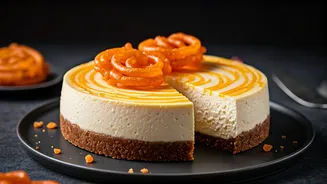
With any food trend, there's always the question of staying power. Is the jalebi waffle just a gimmick, a fleeting novelty destined to be replaced by the next big thing? While some may see it that way, many in the culinary world argue it’s part of a larger, more significant movement. Modern Indian cuisine is currently in a dynamic phase of re-imagination. Chefs are deconstructing classic recipes and reinterpreting them with modern techniques and global influences. Think gulab jamun cheesecake or pani puri with avocado. The jalebi waffle fits perfectly into this narrative. It’s a testament to the creativity and confidence of a new generation of Indian chefs who are not afraid to experiment with their culinary heritage, making it relevant and exciting for a new generation of diners.
A Canvas for Creativity
The jalebi waffle is not a monolithic dish; it's a creative canvas. The base concept has inspired countless variations, showcasing the versatility of the idea. Some chefs serve it with a saffron-infused syrup, while others opt for a rose-flavoured cream. Toppings range from classic nuts like almonds and pistachios to modern additions like edible flowers and silver leaf. One popular version sees the waffle served with a scoop of ice cream, creating a delightful hot-and-cold contrast. This adaptability ensures that the trend remains fresh. It allows different establishments to put their unique spin on the dish, preventing it from becoming a stale, cookie-cutter menu item and encouraging diners to try different versions.