

A Paradigm Shift in Travel
For decades, the Indian travel calendar was predictable: mountains in the summer, beaches in the winter. The monsoon was a time to stay home. That is rapidly changing. Recent travel data shows a significant spike in monsoon travel, with hotel bookings
up nearly 54% year-on-year. The surprising leader of this trend is Northeast India. Destinations like Nagaland and Arunachal Pradesh have seen hotel bookings surge by over 90%, with flight bookings also climbing significantly. This isn't a fleeting trend but a fundamental shift in what Indian travellers seek: authentic experiences over curated itineraries, and immersive, nature-based trips over crowded hotspots. The monsoon, once a deterrent, is now the main attraction.
The Monsoon's Verdant Makeover
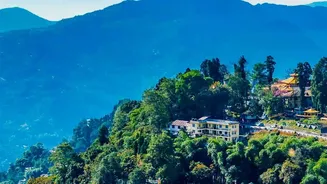
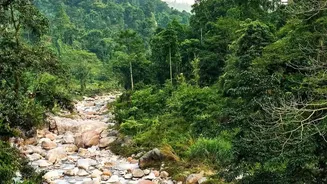
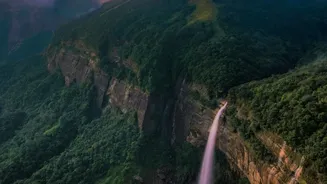
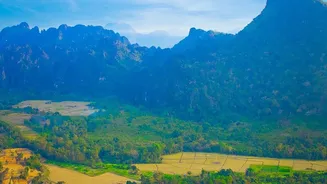
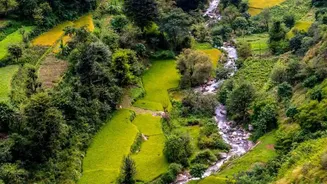
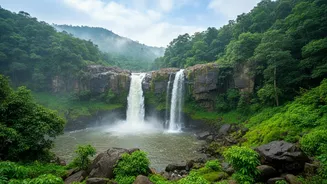
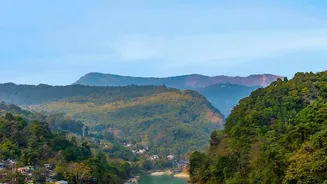
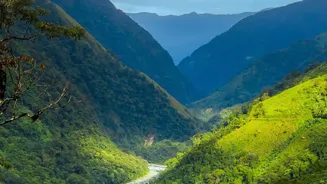
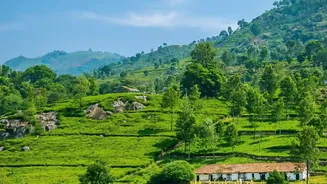
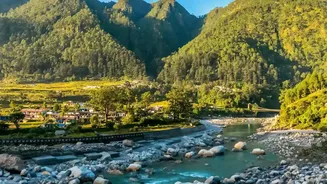
The primary driver of this trend is the sheer, overwhelming beauty of the Northeast during the rains. From June to September, the region transforms into a cinematic landscape. Hills and valleys are draped in countless shades of green, waterfalls like Nohkalikai in Meghalaya are at their most powerful, and a constant veil of mist lends a mystical quality to the scenery. Places that are one of the wettest on Earth, such as Cherrapunji and Mawsynram, become bucket-list destinations for those wanting to experience the monsoon in its full glory. For photographers and nature lovers, the dramatic clouds, rain-soaked forests, and vibrant landscapes offer an unparalleled visual feast.
Community at the Heart of the Experience
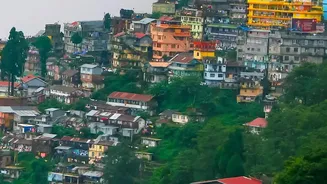
This growth is not just about pretty pictures; it is deeply rooted in the principles of ecotourism. A significant part of the appeal lies in community-based tourism models that have flourished across states like Sikkim, Meghalaya, and Nagaland. Travellers are increasingly opting for homestays over hotels, providing them with an authentic glimpse into local life while ensuring that tourism revenue directly benefits the host communities. Initiatives in villages like Mawlynnong in Meghalaya (known as Asia's cleanest village) and the Monpa tribal homestays in Thembang, Arunachal Pradesh, are prime examples. These experiences are built on a foundation of mutual respect, where visitors learn about local customs, crafts, and conservation practices from their hosts.
The Rise of the Conscious Traveller
The profile of the Indian tourist is evolving. There's a growing segment of travellers who are environmentally conscious and seek more than just sightseeing. They are looking for meaningful engagement and want their travel to have a positive impact. Eco-tourism in the Northeast caters perfectly to this mindset. It offers a travel experience that is inherently sustainable, focusing on minimal environmental impact, conservation, and cultural preservation. Activities are centred around nature—trekking to living root bridges, exploring caves, birdwatching, and learning about unique biodiversity from local guides. This model ensures that the region's fragile ecosystems are protected while providing sustainable livelihoods for its people.
Practical Perks and The Road Ahead
Beyond the philosophical appeal, there are practical advantages to travelling during the monsoon. Fewer crowds at popular spots and lower costs for flights and accommodations make it an attractive proposition for budget-conscious travellers. However, the growth is not without challenges. The region's infrastructure can be strained during heavy rains, with risks of landslides and road blockages. Sustainable growth will require careful planning, investment in robust, eco-friendly transport, and ensuring that the carrying capacity of these delicate destinations is not breached. The key will be to balance accessibility with conservation, making sure that the very things that draw people to the Northeast are preserved for generations to come.