




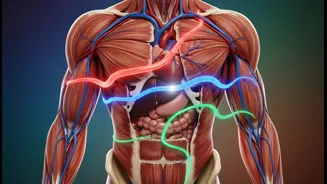




The Aftermath: Understanding Workout Stress
Intense exercise is a form of positive stress that challenges your body to adapt and grow stronger. During a tough session, your heart rate climbs, you breathe harder, and your muscles sustain tiny micro-tears. Your body also enters a "fight or flight"
mode, governed by the sympathetic nervous system. This triggers the release of stress hormones like cortisol, which helps mobilise energy for your muscles. While this response is necessary for performance, staying in this heightened state for too long can hinder recovery. The primary goal after a workout is to smoothly transition your body out of this stress mode and into a state of repair.
Active vs. Passive Recovery
Post-workout recovery generally falls into two categories: passive and active. Passive recovery involves complete rest, like sitting or lying down. While necessary, especially after extreme exertion or injury, it isn't always the most effective method. Active recovery, on the other hand, involves low-intensity movement following a strenuous workout. Think of it as the difference between slamming on a car's brakes versus coasting to a gradual stop. This gentle activity keeps blood flowing, which helps deliver oxygen and nutrients to your tired muscles while clearing out metabolic byproducts.
The Power of a Simple Walk
Walking is an ideal form of active recovery. It’s low-impact, accessible, and effectively aids the body's cleanup process. During intense exercise, your muscles produce lactate, which is associated with fatigue. An active cool-down, such as a walk, helps clear lactate from the blood significantly faster than resting. This improved circulation reduces muscle soreness and stiffness. A walk of just 15 to 20 minutes can make a big difference in how you feel, promoting lymphatic drainage and helping nutrients repair muscle tissue more efficiently.
The Outdoor Advantage: Nature's Calming Effect
Taking your recovery walk outdoors adds another powerful layer of benefits. Spending even a short amount of time in nature has been shown to lower levels of the stress hormone cortisol. Exposure to natural environments helps activate the parasympathetic nervous system, also known as the "rest and digest" system. This directly counteracts the "fight or flight" response triggered by your workout, slowing your heart rate and promoting relaxation. The sights and sounds of nature, from birdsong to the rustling of leaves, can reduce mental fatigue and improve your mood, making recovery a psychological reset as well as a physical one.
Putting It All Into Practice
Integrating this practice into your routine is simple. Immediately after your main workout, aim for a 10 to 20-minute walk. The intensity should be light and leisurely; you should be able to hold a conversation easily. The goal is to gradually bring your heart rate down, not to start another workout. Listen to your body—this is about gentle movement, not pushing through pain. This short stroll acts as a perfect bridge, guiding your body from a state of high stress to one of efficient, calm recovery. Whether it’s around your neighbourhood park or a nearby green space, this small addition can have a profound impact on your fitness journey.