


The Science of Contrast Water Therapy
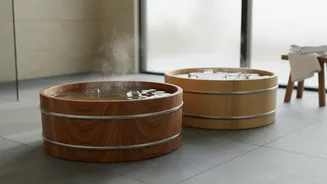
The technique of alternating between hot and cold water is known as contrast water therapy. Its effectiveness comes from the way it influences your circulatory system. When you expose your muscles to hot water, your blood vessels expand in a process called
vasodilation. This increases blood flow, bringing more oxygen and nutrients to the tissues. Conversely, cold water causes your blood vessels to narrow, a process known as vasoconstriction. This rapid alternation between opening and closing the blood vessels creates a “pumping” action. This physiological pump helps to flush out metabolic waste products, like lactic acid, that can accumulate in muscles after strenuous exercise and contribute to soreness. By improving circulation and reducing inflammation, this method can help lessen muscle pain and speed up recovery time.
Why It’s a Game-Changer for City Runners
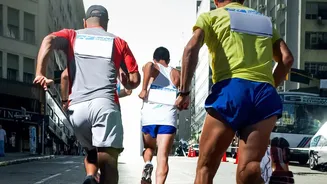
Urban running environments present unique challenges. The relentless impact of concrete and asphalt can be tougher on the body than softer trails, leading to more significant muscle micro-tears and subsequent soreness. Contrast water therapy is an especially practical recovery tool for city dwellers. Unlike dedicated ice baths, which require space and a large amount of ice, a contrast shower can be done in any standard apartment bathroom. It requires no special equipment and adds only a few minutes to your post-run routine. This accessibility makes it a time-efficient and effective way to combat the specific physical stresses of urban running, helping to reduce the inflammation and swelling associated with hitting the pavement day after day.
Your At-Home Contrast Shower Protocol
Implementing contrast therapy at home is straightforward. The entire process can be completed in under 15 minutes right in your shower, making it easy to integrate after a run. The goal is to create a noticeable temperature shift without causing burns or excessive shock. Always listen to your body and adjust based on your tolerance. Here’s a simple, effective protocol: 1. Start with 3 minutes of hot water. Stand under a shower temperature that is warm to hot, but comfortable. Focus the water on the primary muscle groups you worked, such as your legs and glutes. 2. Switch to 1 minute of cold water. Turn the temperature to as cold as you can comfortably tolerate. The initial shock will subside, but it should remain invigoratingly cold. 3. Repeat the cycle. Alternate between 3 minutes of hot water and 1 minute of cold water for three to four cycles. 4. Always end on cold. The final cycle should be a cold one. This helps to maximise the reduction in inflammation and is believed to offer the most significant recovery benefits.
Maximizing Benefits and Avoiding Mistakes
To get the most out of contrast water therapy, timing and consistency are key. It’s most effective when performed within a few hours after your run to help mitigate delayed-onset muscle soreness (DOMS). While the research on its superiority over simple cold water immersion is mixed, many athletes report feeling less fatigue and soreness. Beginners should start with less extreme temperatures and gradually increase the difference as their body adapts. It’s important to avoid making the hot water scalding, as this can cause burns and potentially increase inflammation. While the practice is generally considered safe, individuals with certain medical conditions, such as heart disease, high blood pressure, or circulatory issues, should consult their doctor before trying contrast therapy.