



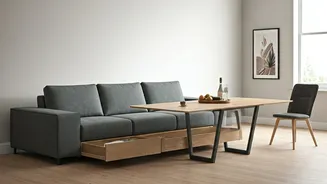


The End of the Dining Table Desk
Remember the early days of remote work? Laptops precariously balanced on stacks of books, dining chairs causing backaches, and video calls with chaotic kitchen backgrounds. For a while, it was a novel, temporary inconvenience. But as companies across
India solidified their hybrid and remote work policies, the realisation dawned: this is the new normal. The ad-hoc setup that was charming in its scrappiness quickly became a source of daily frustration. Professionals, especially those in urban apartments where space is a premium, realised they needed a dedicated, permanent solution that wouldn’t compromise their entire living area. The era of 'making it work' gave way to a desire for intentional, efficient, and comfortable home office design.
What is a Modular Workstation?
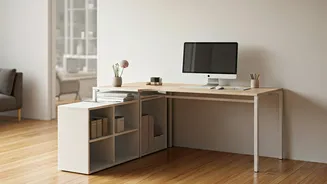
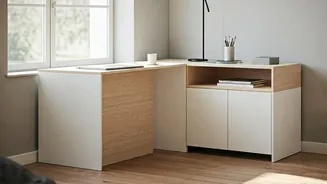
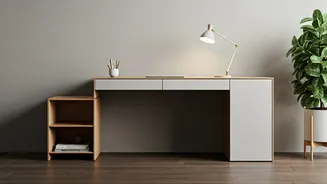
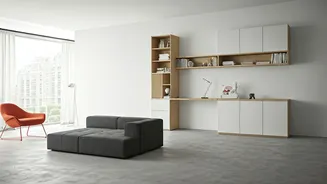
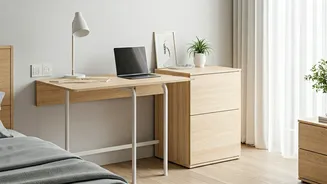
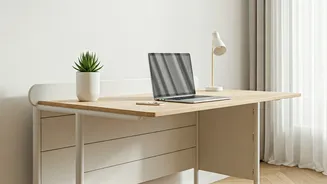
Forget the clunky, monolithic office desks of the past. A modular workstation is less a single piece of furniture and more a customisable ecosystem. Think of it like building blocks for adults. It typically consists of a primary desk surface combined with a variety of interconnecting components: vertical shelves, pegboards, attachable drawers, monitor stands, and storage cabinets. The core idea is flexibility. You can start with a simple desk and add components as your needs change. This system-based approach allows you to build a workspace that is perfectly tailored to your specific job, available space, and personal workflow. It’s not about finding a desk that fits; it’s about creating a system that works.
The Appeal for Young Professionals
The popularity of modular systems among the younger workforce isn't just about aesthetics; it's deeply practical and psychological. For many living in rented city apartments, a modular setup is a smart investment. It can be reconfigured to fit a new, smaller, or larger space if they move. This adaptability is crucial for a generation that values mobility. Furthermore, it offers a sense of control and personalisation. In a world where the lines between work and life are blurred, creating a distinct, organised 'work zone' helps mentally separate professional hours from personal time. The ability to hide clutter in integrated storage and display personal items on custom shelves transforms the workspace from a source of stress into a corner of inspiration.
Key Features to Look For
If you're considering a modular upgrade, it's about more than just looks. Focus on features that deliver long-term value. First, assess material quality. Solid wood, high-quality plywood, and powder-coated steel offer durability. Second, consider ease of assembly and reconfiguration. The best systems can be adjusted without needing a team of engineers. Third, look for true expandability. Can you easily buy new shelves or cabinets from the same brand a year from now? Finally, don't overlook integrated tech-friendly features. Built-in cable management channels, grommets for wires, and attachments for power strips are not just conveniences—they are essential for maintaining a clean, uncluttered, and functional workspace.
It’s a Mindset, Not Just Furniture
Ultimately, the shift towards modular workstations reflects a broader change in how we view our homes and careers. The home is no longer just a place of rest; it's a dynamic hub for work, creativity, and life. Young professionals are treating their home office not as an afterthought, but as a critical piece of personal infrastructure. Investing in a modular system is a vote of confidence in a flexible future. It’s an acknowledgment that our needs will change, and our environment should be able to change with us, whether that means adding a shelf for a new project, reconfiguring for a side hustle, or packing it all up for a new city. It's about future-proofing your most important workspace: your own.