



1. Fried Samosas for Baked or Air-Fried Samosas
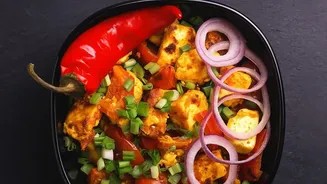
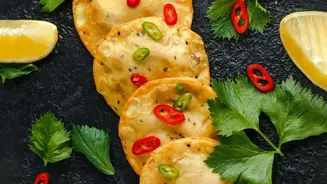
The samosa is an undisputed icon of Indian snacking, but its deep-fried nature is a well-known drawback. The modern, health-conscious swap doesn't eliminate the samosa but re-imagines it. Baked or air-fried versions offer the same spiced potato filling
and a satisfyingly crisp exterior but with significantly less oil. This simple change can reduce the calorie count by 40-50% and cut saturated fat, making the beloved triangular treat a less guilt-ridden indulgence.
2. Potato Chips for Roasted Makhana
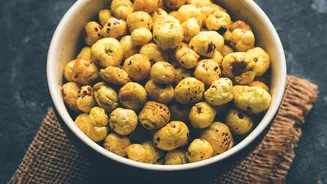
For years, potato chips have been the default crunchy, salty snack. Now, roasted makhana (fox nuts) are staging a coup. Once relegated to fasting food, makhana has become a mainstream superstar, available in flavours from peri-peri to pudina. Nutritionally, it's a clear winner: makhana is lower in calories, contains virtually no fat, and offers more protein than chips. It provides a similar crunch without the greasy fingers and post-snack heaviness.
3. Maida Biscuits for Millet Cookies
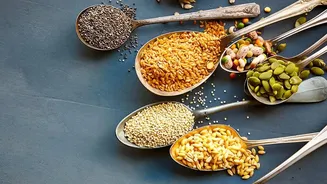
The humble tea-time biscuit, often made with refined flour (maida), is being swapped out for more nutritious options made from millets like ragi (finger millet), jowar, and bajra. Ragi cookies, for example, boast ten times more calcium than their wheat-based counterparts and are naturally gluten-free. This swap caters to a growing demand for snacks that are not just empty calories but provide tangible benefits like higher fibre and essential minerals.
4. Fried Namkeen for Roasted Chickpeas
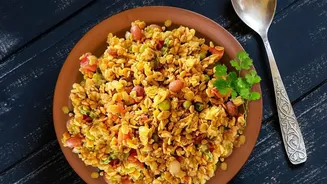
The colourful, crunchy world of namkeen and bhujia is a staple in many households, but it's typically deep-fried and high in sodium. Enter roasted chickpeas (chana). Whether homemade with spices like garam masala and curry powder or bought packaged, these offer a similarly satisfying, savoury crunch. Roasted chana is packed with protein and fibre, which helps keep you feeling full for longer, making it a smarter choice for managing hunger between meals.
5. Sugary Ladoos for Date and Nut Energy Balls
Traditional sweets like ladoos are delicious but often loaded with refined sugar. The modern alternative is the no-bake energy ball, a concept that echoes traditional Indian recipes for nourishment. These are typically made by blending dates (for natural sweetness and binding) with nuts like almonds and walnuts, and sometimes seeds like chia or flax. The result is a snack rich in healthy fats, protein, and fibre that provides sustained energy without the sugar crash.
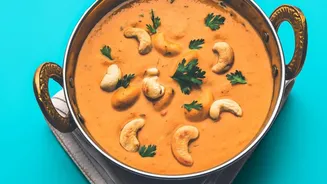
6. Standard Cashews for Almonds and Walnuts
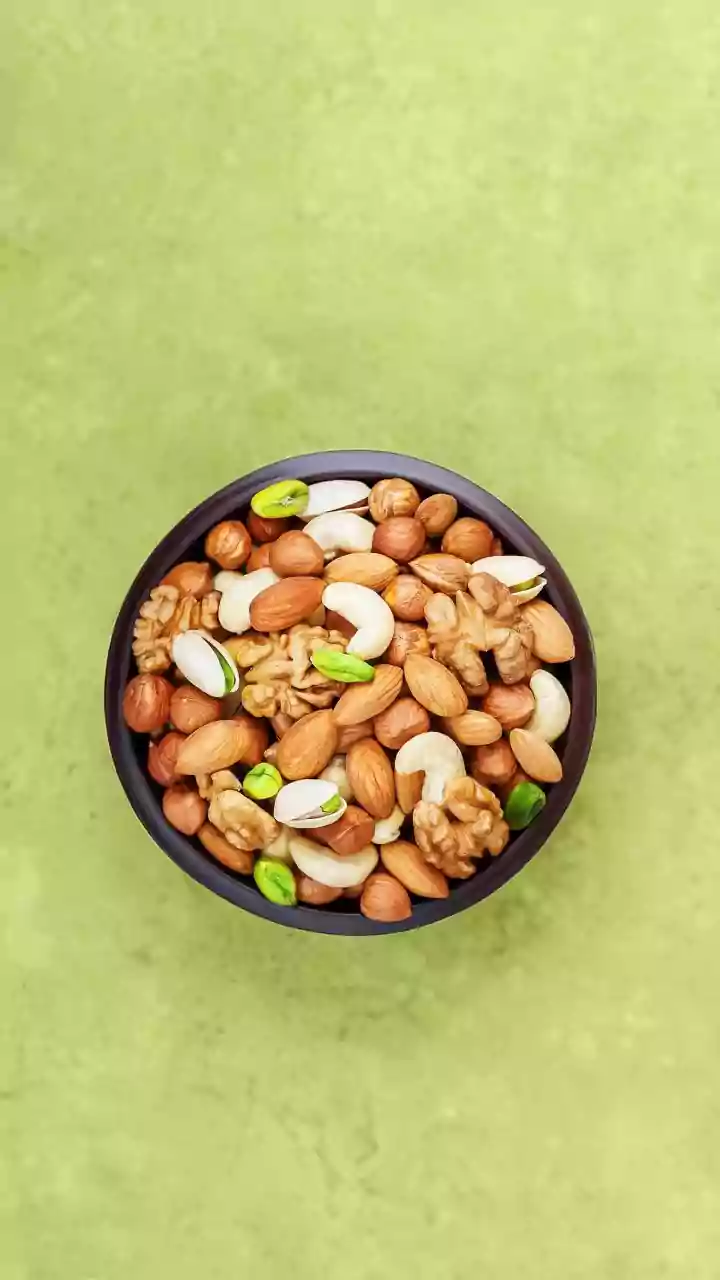
While all nuts are healthy in moderation, consumer preferences are shifting. Cashews, traditionally popular in Indian cooking and snacking, are sometimes swapped for almonds and walnuts, which are often perceived as having a superior health profile. Almonds are touted for their high vitamin E content, while walnuts are prized for their omega-3 fatty acids. This swap reflects a more nuanced understanding of nutrition, where consumers choose ingredients for specific benefits.
7. Sugary Juices for Whole Fruits or Coconut Water
Packaged fruit juices, once seen as a healthy option, are now increasingly recognised as being high in sugar and lacking the fibre of whole fruits. The simple, effective swap is to eat the fruit itself or to opt for natural hydrators like coconut water. This change provides the vitamins and minerals without the concentrated sugar rush, while the fibre in whole fruit aids digestion and promotes satiety.
8. White Bread Sandwiches for Multigrain or Millet Bread
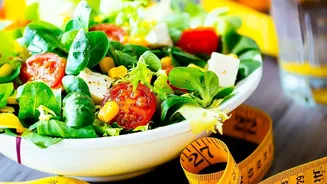
The quick and easy sandwich is also getting a health upgrade. Plain white bread is being replaced by whole wheat, multigrain, or even breads made with millet flours. These alternatives offer more fibre, a lower glycemic index, and a wider range of nutrients than their refined flour counterparts. It's a small change that makes a significant difference to the nutritional value of a simple meal.
9. Fried Papads for Roasted or Millet-Based Papdis
The crispy accompaniment to many Indian meals, papad, is traditionally deep-fried. A healthier swap involves roasting them over an open flame to eliminate the oil. Taking it a step further, the market is now seeing the rise of baked or roasted papdis made from millets like jowar. These alternatives are gluten-free, high in fibre, and offer a light, crunchy texture, aligning with the broader trend towards healthier, millet-based products.
10. Sweetened Yogurts for Greek Yogurt or Plain Dahi
Flavoured yogurts are often high in added sugar, undermining their health benefits. The conscious snacker is now opting for plain Greek yogurt or traditional dahi. These are higher in protein and have no added sugars. For flavour, people are adding fresh fruit, a sprinkle of nuts, or a small drizzle of honey or jaggery, giving them control over the sweetness and adding extra nutritional value.