



Why Your Skin Reacts to Weather
Your skin is a dynamic organ that acts as a barrier against the environment. When external conditions shift, your skin has to adapt. The two biggest factors are temperature and humidity. Lower humidity, common in cold weather and indoor heating, draws
moisture out of your skin, leading to dryness, tightness, and flakiness. On the other hand, high humidity, typical of hot or monsoon seasons, can increase sweat and sebum (oil) production. This can leave your skin feeling greasy and may lead to clogged pores and breakouts. These environmental stressors can weaken your skin's natural protective barrier, making it more prone to irritation, redness, and sensitivity. Conditions like eczema or rosacea can also flare up with these sudden changes.
Audit Your Existing Product Shelf
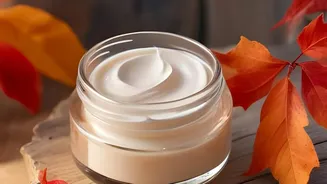
The secret to seasonal skincare isn't a complete overhaul; it's about being strategic. Before buying anything new, take stock of what you already own. That lightweight, gel-based moisturiser you loved during the humid summer might not be useless in winter. Consider using it during the day and layering a richer cream you might already have on top at night. A hydrating serum with ingredients like hyaluronic acid, which you might have used sparingly, can become a daily staple in drier months to boost moisture before applying your regular cream. Similarly, a clay mask you used twice a week to control summer oiliness can be scaled back to once a fortnight to avoid stripping the skin when the air is less humid. The goal is to see your products not as 'summer' or 'winter' products, but as tools you can deploy differently based on your skin's immediate needs.
Master the Art of Technique and Layering
How you apply your products can be just as important as what you apply. One of the simplest yet most effective tricks is to apply your moisturiser to damp skin. After cleansing, gently pat your face, leaving it slightly damp, and then immediately apply your serum and cream. This helps to trap and seal in that extra bit of water before it evaporates. Another key technique is layering from the thinnest to the thickest texture. Your routine should generally follow this order: cleanser, toner or mist, a water-based serum, a richer cream or lotion, and finally, a facial oil if you use one. In more humid weather, you might find you only need the serum and a light lotion. In drier conditions, you might use all the steps, including a more emollient cream to create a stronger protective barrier against the elements.
Make Small, Impactful Swaps
If you do find your current products aren't quite cutting it, you may only need to make one or two small swaps rather than replacing everything. For instance, if your skin feels tight and stripped after washing, consider switching your foaming or gel cleanser to a gentler, cream-based or milky formula, especially in cooler, drier months. These are less likely to disrupt your skin's natural oils. Conversely, if you're struggling with increased oiliness in a more humid climate, swapping your rich cream moisturiser for a lightweight gel or water-based formula can provide hydration without feeling heavy or clogging pores. These small adjustments respect your skin's changing needs without forcing you into an expensive and unnecessary new regimen.
Knowing When to Actually Buy Something New
While adapting your existing routine is a powerful, budget-friendly strategy, there are times when a new purchase is justified. If your skin's condition has fundamentally changed—for example, developing persistent sensitivity, acne, or extreme dryness that doesn't resolve with layering—it's time to seek a targeted solution. Moving to a drastically different climate, like from a humid coastal city to a dry, cold mountain region, might also mean your existing products simply aren't equipped for the new environment. The key is to let your skin's comfort—or discomfort—be the guide. If you've tried adjusting your techniques and your skin still feels tight, irritated, or congested after a few weeks, it may be time to invest in a new cleanser or moisturiser better suited to your new circumstances.