






The Endless Scroll for Quick Discovery
The rise of short-form video in India has been nothing short of explosive. Platforms like Instagram Reels and YouTube Shorts have become the default entertainment medium for millions, fundamentally changing how people spend their screen time. A recent
Meta-commissioned study highlighted that 97% of Indian consumers watch short-form videos daily. This habit is fuelled by the format's immediacy and the constant stream of novel content that satisfies a desire for quick entertainment and connection. Mobile-first consumption, combined with affordable data, has made these bite-sized videos the primary tool for discovery. Users aren't just passively watching; they are actively finding new trends, music, and personalities. This has democratised virality, creating an environment where any piece of content has the potential to find a massive audience overnight.
From Snippets to Sagas: The OTT Mainstay
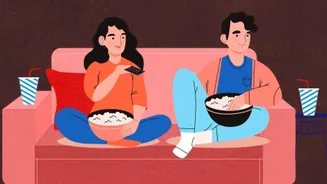
While short videos dominate idle moments, Over-The-Top (OTT) platforms like Netflix, JioHotstar, and Amazon Prime Video remain the champions of immersive, long-form storytelling. The habit of binge-watching entire seasons of a show or settling in for a movie night is deeply entrenched. One 2025 analysis showed that viewers spent 39% of their screen time on OTT platforms for binge-watching. This mode of viewing caters to a different need: the desire for deep narrative engagement, character development, and high-quality production. The growth of Connected TV (CTV) further solidifies this trend. As smart TVs become more affordable, households are increasingly watching OTT content on the big screen, blending the convenience of digital streaming with the cinematic experience of traditional television. This suggests that while attention spans may be shortening for discovery, the appetite for compelling, long-form content is as strong as ever.
The Bridge Between Two Worlds
The most fascinating aspect of this new landscape is how the two formats work together. Short-form video has become the primary trailer and discovery engine for long-form content. A 30-second fan edit of a web series, a trending audio clip from a new movie, or a creator discussing a show can pique a viewer's interest in a way a traditional trailer might not. According to Gunjan Soni, YouTube India's MD, Shorts can act as a "discovery hook" that serves as a gateway to longer videos. This symbiotic relationship is reshaping marketing. Platforms like Instagram Reels are now a crucial starting point for brand and content discovery. A Meta report noted that Reels drive 81% of product discovery among its users, a principle that extends to entertainment products like films and series. Viewers sample the universe of a show via a short clip and then migrate to an OTT platform to consume the full story.
A New Playbook for the Media Industry
This dual-habit presents both a challenge and an opportunity for creators, marketers, and media companies. The path to a hit show no longer relies solely on pre-launch marketing campaigns and primetime television spots. Instead, it requires a sustained presence on short-video platforms. Content marketing strategies must now be bifurcated: creating snappy, shareable clips for discovery on Reels and Shorts, while ensuring the long-form product on OTT delivers the narrative depth those clips promise. This shift is also reflected in spending, with investment in online video content, including OTT, overtaking that of traditional television for the first time in India in 2025. For creators, it means mastering multiple formats. For advertisers, it means understanding that a viewer's journey might start on a phone during a commute and end on a connected TV in the living room.
What's Next for Our Screens?
Looking ahead, the integration between these two worlds is likely to deepen. We may see OTT platforms developing more sophisticated short-form discovery features within their own apps, or social media platforms creating more seamless pathways to purchase or stream full-length content. The line between content and commerce is already blurring, with short videos driving significant purchasing decisions. As this model proves successful for physical products, its application for media content will only grow more sophisticated. The core insight remains: Indian audiences have learned to use different screens and formats for different needs. They look to the fast-paced, algorithm-driven world of short videos to be surprised and informed, and then turn to the curated libraries of OTT for deep and satisfying entertainment. Understanding this dual rhythm is the key to capturing the attention of the modern Indian viewer.