





The Myth of the Off-Season
For years, the conventional wisdom for travel to Kerala was simple: avoid the monsoon. The months from June to September were seen as a period of relentless rain, best for staying indoors. But a dramatic shift is underway. What was once considered the lean
or off-season is now being rebranded as the 'dream season'. This transformation is driven by a new wave of travellers who are discovering that the rain, far from being a problem, is the main attraction. Hotels and resorts in key destinations, which once saw occupancy rates drop below 20%, are now witnessing a significant surge in bookings. Data from some travel platforms shows a remarkable year-on-year growth in hotel bookings for destinations like Munnar and Wayanad, with some reports suggesting an increase of up to tenfold.
The Allure of the Rains
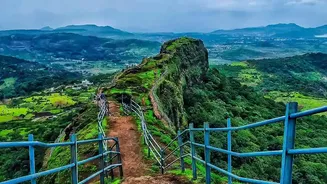
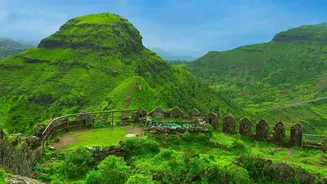
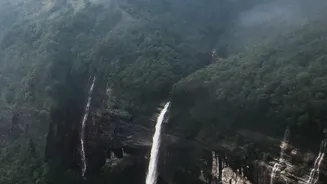
So, what is drawing tourists to Kerala when the skies open up? It's the unique sensory experience. The monsoon transforms the landscape into a vibrant spectacle of nature. The Western Ghats, home to hill stations like Munnar and Wayanad, are enveloped in mist, and tea plantations glow in brilliant shades of green. Waterfalls such as Athirappilly, which are mere trickles in the summer, become roaring cascades. The atmosphere becomes quieter and deeply calming, appealing to those seeking serenity over spectacle. This cool, moist, and dust-free environment is also considered the ideal time for Ayurvedic treatments, as the open pores of the skin are more receptive to therapeutic oils. This has made monsoon a prime season for wellness tourism, attracting both domestic and international visitors seeking rejuvenation.
Hills vs. Backwaters: Two Monsoon Experiences
The monsoon's magic unfolds differently in Kerala's two iconic landscapes. In the hills of Wayanad, Munnar, and Vagamon, the experience is about misty mornings, cool breezes, and the lushness of the rain-fed forests. Tourists are drawn to the sight of clouds weaving through tea gardens and the sound of numerous small, seasonal waterfalls. Down in the plains, the backwaters of Alleppey and Kumarakom offer a different kind of romance. Houseboat cruises remain a primary attraction, even in the rain. Gliding through calm canals under grey skies, watching the rain create patterns on the water, has become a sought-after experience. Houseboat operators, who once faced a steep decline in business, now offer tailored monsoon packages, with covered decks and comfortable interiors ensuring the rain enhances, rather than hinders, the journey.
Who Is Driving the Boom?
The monsoon booking boom is fuelled by a diverse set of travellers. A significant number of domestic tourists, especially from North India, are choosing Kerala to escape the intense summer heat. There's also been a noticeable increase in visitors from the Middle East, particularly from the UAE, Saudi Arabia, and Oman, who find Kerala's cool, rainy climate a perfect escape from the peak summer heat in the Gulf. These tourists are often high-spenders, travelling in large groups and contributing significantly to the local economy through extended stays in resorts and spending on wellness, food, and shopping. Furthermore, the trend of 'slow travel' and a growing desire for authentic, nature-centric experiences have made the quiet, less crowded monsoon season more appealing to modern travellers.
The Economic Ripple Effect
This shift from a seasonal to a year-round tourism model has profound economic benefits. For an industry that contributes around 10% to Kerala's GDP, spreading tourist arrivals more evenly throughout the year provides greater financial stability. Local communities, hotels, houseboat operators, and tour guides who once faced an uncertain few months now have a steady stream of income. To capitalise on this trend, the tourism sector has become more innovative. Hotels have redesigned spaces to allow guests to enjoy the rain, and unique monsoon-focused activities like mud football have been introduced. The availability of significant discounts on flights and luxury accommodation, often 30-50% lower than in the peak winter season, also makes a monsoon trip an attractive value proposition for many.