



The Tyranny of the Perfect Grid
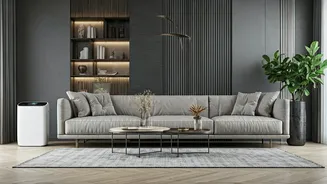
There's a certain look that has dominated interior design for years. You know the one: clean lines, a neutral colour palette of whites, greys, and beiges, and an almost complete lack of personal items. It's an aesthetic built for a magazine spread or an Instagram
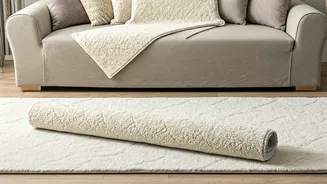
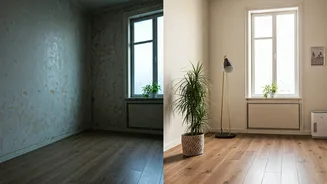
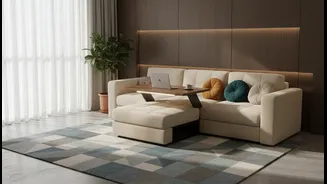
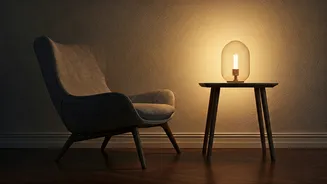
grid, promising a life as clean and uncluttered as the countertops. Yet for many, the reality of living in such spaces feels less serene and more sterile. Homes can start to feel like museums or showrooms—impersonal, cold, and unwelcoming. The pressure to maintain this level of perfection creates a new kind of stress, where a single book out of place can feel like a failure. This minimalist approach, while intended to create calm, can inadvertently strip away personality, leaving a space that feels beautiful but soulless.
A Home Should Tell Your Story
Your home is more than just a structure; it's an external representation of your inner self. The things you surround yourself with tell the story of your life—where you've been, what you love, and who you are. A home filled with personal objects, from travel souvenirs and family photos to a beloved collection of books, creates a sense of belonging and comfort. This concept of a personalised home is becoming a new standard in India, where there's a shift away from visual perfection and towards lived-in comfort. Homeowners are increasingly mixing modern furniture with inherited pieces, regional crafts, and collected objects that reflect how families actually live. This isn’t about creating clutter, but about curating a life. It's about designing a space around how you live, not just how it looks.
The Joy of a Lived-In Corner
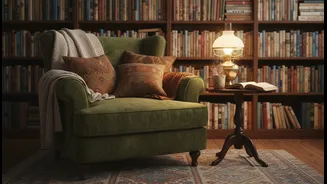
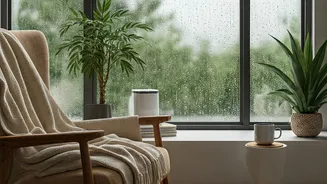
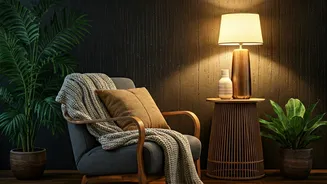
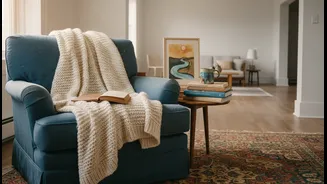
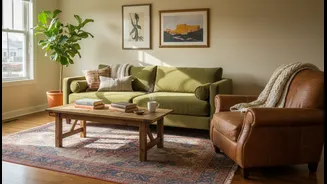
This is where the 'personal corner' comes in. Think of that favourite armchair, softened by years of use, with a stack of half-read books and a cup of tea resting beside it. Or a kitchen counter that shows the delicious evidence of a recently cooked meal. These are the spaces where life actually happens. They are not staged or styled for an audience; they are the natural result of daily rituals and passions. Psychologists note that being able to personalise our environment gives us a sense of control and safety, which is crucial for our well-being. These personal corners—a desk covered in project notes, a shelf of quirky mugs, or a windowsill crowded with plants—are the heartbeats of a home. They hum with the energy of life being lived.
From Cluttercore to Curated Chaos
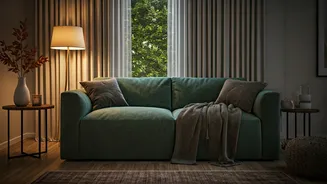
The backlash against stark minimalism has given rise to trends like 'maximalism' and 'cluttercore'. These styles celebrate an abundance of colour, pattern, and texture. Cluttercore, in particular, focuses on surrounding yourself with objects that bring joy and evoke happy memories, regardless of whether they 'match'. But you don't need to subscribe to a specific trend to embrace this philosophy. It's less about intentional clutter and more about intentional living. Interior design trends in India for 2026 are leaning into this idea, favouring rich, earthy colour palettes like terracotta and sage green, and prioritising natural, tactile materials that feel good to live with. The focus is on comfort, longevity, and emotional connection over short-term visual impact.
Finding Your Own Style
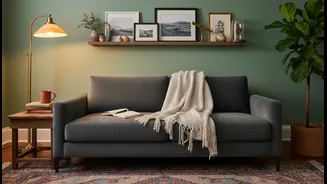
Embracing a more personal approach to your home doesn't mean abandoning design principles. It means making them work for you. Start by collecting what you love, not what trends dictate. Display items that hold personal meaning. Mix textures to add warmth and dimension—think soft linens with rough-hewn wood. Don't be afraid of colour; even small pops of a favourite shade can inject life into a room. Most importantly, allow your space to evolve with you. A home is not a static project but a dynamic reflection of your journey. The goal is to create a sanctuary that supports your well-being, a place where you can relax, recover from stress, and feel more like yourself.