






From Rooftop to Tap: How It Works
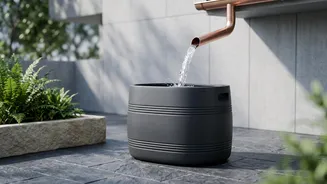
Rooftop rainwater harvesting is a straightforward concept: instead of letting precious rain wash away into drains, you capture it. A system consists of three main parts: the catchment area (your roof), conveyance pipes (gutters and downpipes), and the filter
unit itself. Rainwater, which is naturally pure, picks up dust, leaves, bird droppings, and other debris from the roof. Before it can be stored or used, these impurities must be removed. This is where the filter comes in. Many systems include a 'first flush' diverter, which discards the initial, most contaminated runoff before the cleaner water is directed to the filter. The filter unit then removes the remaining suspended particles. These filters can range from simple mesh screens and gravel/sand beds to more advanced wall-mounted units with stainless steel elements that work automatically.
A Sustainable Supply for Your Home
The filtered water can significantly reduce a household's reliance on municipal supply or expensive water tankers. A 100-square-metre roof can collect as much as 80,000 litres of water from 800 mm of annual rainfall. This collected supply is perfect for a wide range of non-potable uses. You can use it for flushing toilets, which accounts for nearly a third of indoor water use, as well as for laundry, washing vehicles, and cleaning floors and windows. It is also ideal for watering gardens, lawns, and indoor plants. Using this soft, chlorine-free water for washing clothes can even be gentler on fabrics and appliances. While rainwater can be made safe for drinking and cooking, this requires additional purification steps like boiling, reverse osmosis (RO), or UV treatment to eliminate any potential bacteria.
Giving Back to the Earth
Perhaps the most significant long-term benefit of rooftop filtration is its role in replenishing groundwater. With India's groundwater levels declining at an alarming rate, this is a crucial environmental service. Instead of storing all the collected water, a system can be designed to direct the overflow into a specially constructed recharge pit or a defunct borewell. This filtered water then slowly percolates deep into the ground, recharging the natural underground aquifers. This not only helps raise the local water table but also reduces urban flooding by managing stormwater runoff. By installing these systems, individual households contribute to the water security of their entire community, ensuring a more sustainable resource for future generations.
The Reality of 'Easy': Cost and Maintenance
The term 'easy' is relative, but setting up a rainwater harvesting system is more accessible than many think. The cost for a typical Indian home can range from ₹20,000 to ₹80,000, depending on the roof size, tank capacity, and filter complexity. This includes the filter unit, storage tank, piping, and installation. To encourage adoption, many state governments and municipalities offer financial support, including direct subsidies or rebates on property tax. Maintenance is fairly simple but essential for ensuring water quality. It involves cleaning gutters and filters before the monsoon, checking the 'first flush' system after heavy rains, and inspecting the storage tank annually. With minimal upkeep, a well-installed system can provide a reliable water source for decades.