





The Dawn of the 'Workation'
The post-pandemic professional landscape has firmly embraced flexibility. With a significant portion of India's workforce now in hybrid or fully remote roles, the nine-to-five office routine is no longer a universal constant. This shift has given birth
to the 'workation' — a portmanteau of 'work' and 'vacation' where professionals relocate to a desirable destination for an extended period, maintaining their work schedule while immersing themselves in a new environment. It’s a move away from squeezing travel into limited annual leave and towards integrating it into daily life. This trend is driven by a desire to escape urban burnout and achieve a better work-life balance, allowing employees to explore a new place after logging off for the day.
Making Travel Financially Accessible
One of the most significant impacts of this trend is on affordability. Traditional tourism, with its high-season flights, expensive hotels, and tourist-priced meals, can be costly. Longer stays fundamentally change the economics of travel. By settling in one place for several weeks or a month, remote workers can access local economies. This means renting homestays or apartments at monthly rates, shopping at local markets, and eating at neighbourhood spots rather than expensive tourist traps. The cost for a month-long workation in many Indian destinations can range from ₹20,000 to ₹40,000, a figure that is often more manageable than the cost of a condensed, high-priced holiday. Slow travel eliminates repetitive transport costs like flights and trains between cities, making the overall experience financially lighter and more sustainable.
India’s Emerging Work-From-Anywhere Hotspots
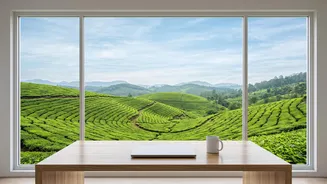
A clear map of workation-friendly destinations has emerged across India. The beaches of Goa, particularly North Goa, are a major hub, offering a mature infrastructure of cafes, co-working spaces, and a strong community of remote workers. For those seeking mountain air, towns in Himachal Pradesh like Manali, Dharamshala, and Bir Billing have become incredibly popular. Bir Billing, in particular, is noted for its affordability and slower pace. In the south, the misty coffee plantations of Coorg, the backwaters of Kerala, and the coastal calm of Varkala provide serene backdrops for a productive workday. These locations are sought after for their blend of natural beauty, reliable internet in town centres, and a growing ecosystem of stays designed for working travellers.
How the Travel Industry Is Responding
The hospitality industry is quickly adapting to this new type of traveller. Hotels, hostels, and homestays are no longer just offering a place to sleep; they are creating environments conducive to work. This includes providing dedicated workspaces, ergonomic chairs, high-speed Wi-Fi, and power backup — a crucial feature in many remote locations. Many properties now offer flexible long-stay packages with weekly or monthly rates, understanding that workationers have less rigid schedules. Beyond just infrastructure, these stays are also fostering a sense of community. Shared seating areas and casual social events help combat the isolation that can sometimes accompany remote work, allowing travellers to connect with like-minded professionals.
The Practical Realities and Challenges
While the idea of working from a mountain cafe is idyllic, it comes with practical challenges. The single biggest hurdle is often connectivity. While improving, reliable, high-speed internet and consistent power are not guaranteed, especially in more remote Himalayan villages or coastal towns. Seasoned workationers always recommend carrying a 5G mobile dongle as a backup. Another challenge is the blurring of boundaries between work and leisure. The temptation to explore can make it hard to focus, while the pressure to stay online can prevent one from fully enjoying the location, potentially leading to a different kind of burnout. Finally, remote work in a new place can sometimes feel isolating without the familiar social structure of an office, making community-focused stays all the more important.