





The Fermentation Frustration
The familiar routine of soaking, grinding, and waiting is a cornerstone of Indian cooking, promising delights like fluffy idlis, crisp dosas, and tangy dhoklas. Yet, the results are often maddeningly inconsistent. A batter that ferments beautifully in the balmy
monsoon can sit dormant and lifeless during a crisp winter spell. Conversely, a batter left for its usual eight hours on a hot summer night can become overly sour and unusable by morning. This inconsistency isn't a failure of your technique; it's a direct result of ignoring the most influential variable in your kitchen: the ambient weather. By treating fermentation as a rigid, time-based formula, we often set ourselves up for disappointment, failing to account for the powerful effects of temperature and humidity.
A Simple Science Lesson
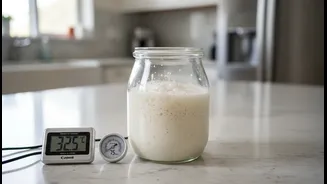
Fermentation is a living process. It’s driven by microscopic wild yeasts and bacteria, naturally present on grains and in the air, that consume sugars and produce lactic acid and carbon dioxide gas. It’s this gas that leavens the batter, creating the coveted spongy texture. These microorganisms are highly sensitive to their environment, especially temperature. An ideal temperature range for most Indian batters, like those for idli and dosa, is between 25°C and 30°C. When it's warmer, these microbes work faster, accelerating fermentation. When it's colder, their activity slows dramatically, extending the time needed. Humidity also plays a role, with higher moisture in the air often speeding up the process.
The Summer and Winter Rules
Thinking about fermentation in terms of seasons is the first step toward mastery. In the intense heat of an Indian summer, fermentation can be rapid, sometimes finishing in as little as 4-6 hours. Leaving a batter out overnight is a common mistake that leads to over-fermentation, resulting in a distinctly sour taste and a sticky texture as the microbial ecosystem becomes too acidic. In contrast, winter presents the opposite challenge. With cooler temperatures, the same batter might require 12, 18, or even 24 hours to show signs of life. Under-fermentation is the primary risk here, leading to dense, hard idlis and dosas that lack the characteristic light, airy structure and tangy flavour.
Your Dynamic Fermentation Toolkit
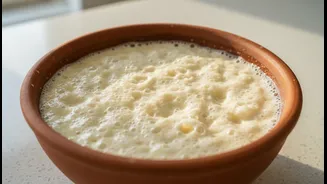
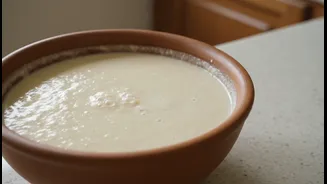
Instead of following a fixed time, learn to read the signs: a visible rise in volume, a bubbly surface, and a pleasant, faintly sour aroma. To achieve this consistently, you need to manage the temperature. In winter, create a warm micro-environment. Place your batter container in an oven with just the light on, inside an Instant Pot on the 'Yogurt' setting, or near a gentle heat source. Some experienced cooks even wrap the container in a warm cloth. In summer, you need to slow things down. Find the coolest spot in your kitchen, reduce the fermentation time significantly, and refrigerate the batter as soon as it's ready to prevent it from turning too sour. You can also adjust your starter; use a little less of it in summer and a bit more in winter to control the fermentation speed.
Beyond the Batter
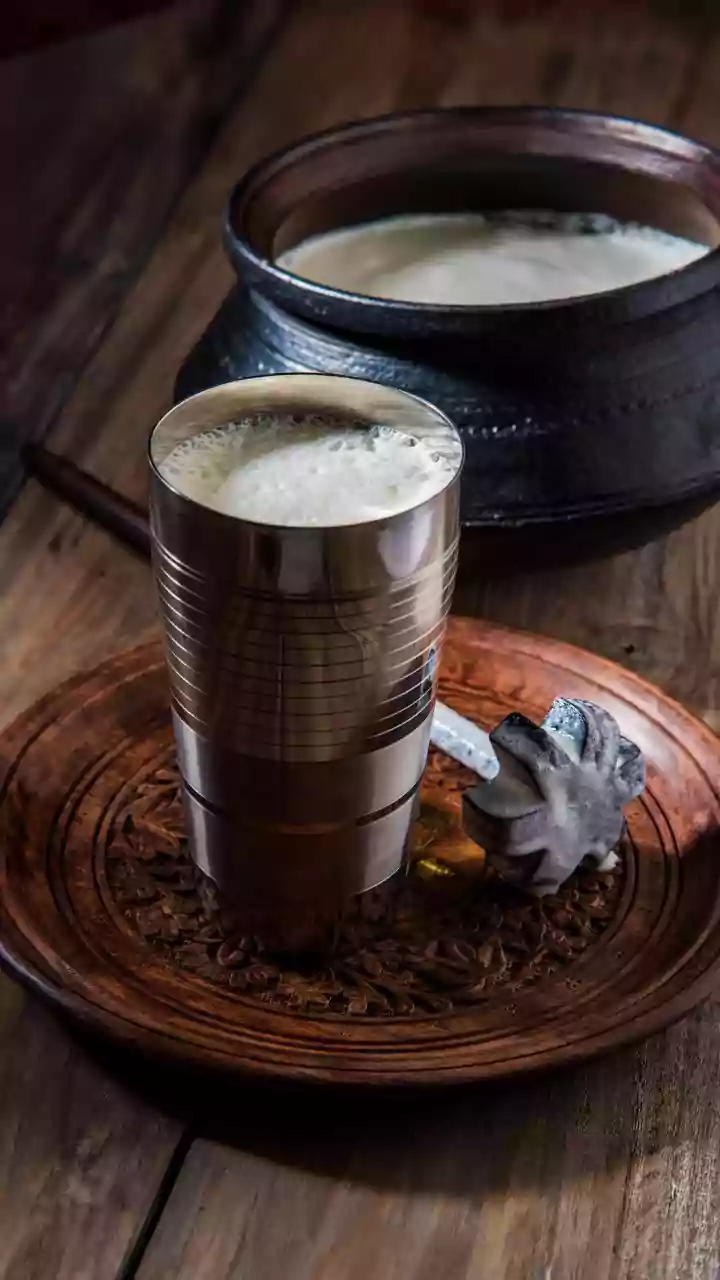
This weather-aware approach applies to more than just idli and dosa. The setting of dahi (curd) is a perfect example. We instinctively know to keep it in a warmer place during winter to get a thick, well-set curd. The same principles govern the fermentation of dhokla batter, kanji, and traditional pickles. Each of these relies on a living culture that responds directly to its environment. In North India, seasonal vegetable pickles like 'rai-paani ka achaar' are specifically made in winter, leveraging the slower fermentation time to develop complex flavours. By understanding this core principle, you can apply it across a wide range of dishes, achieving predictable and superior results every time.