




A new chapter in solar system exploration has begun. Japan's Martian Moons eXploration (MMX) spacecraft is on its way to the Red Planet, starting a five-year mission to solve a planetary mystery and bring a piece of a Martian moon back to Earth.
What is the MMX Mission?
The Martian
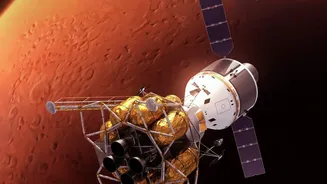
Moons eXploration, or MMX, mission is an ambitious project led by the Japan Aerospace Exploration Agency (JAXA). Having launched successfully in October 2026, the probe is now undertaking a long voyage to the Martian system. Its primary targets are not the Red Planet itself, but its two small, enigmatic moons: Phobos and Deimos. The mission represents a significant international collaboration, with space agencies from the US, France, and Germany contributing instruments and expertise. Building on the success of its Hayabusa missions which returned asteroid samples, JAXA is now aiming for a far more complex prize: the first-ever sample return from the orbit of Mars.
Solving a Major Martian Mystery
At the heart of the MMX mission is a fundamental question about the origin of Phobos and Deimos. Scientists have two main theories, and the evidence is conflicting. One theory suggests the moons are captured asteroids, wanderers from the asteroid belt between Mars and Jupiter that were snared by Mars's gravity. The other, more dramatic theory proposes they were formed from debris blasted into orbit after a giant object crashed into a young Mars billions of years ago. The moons' circular orbits around Mars's equator support the impact theory, but their surface composition appears more similar to certain asteroids. By collecting a physical sample, MMX aims to definitively answer this long-standing debate, offering profound insights into the violent, formative years of our solar system.
The Ultimate Prize: A Piece of Phobos
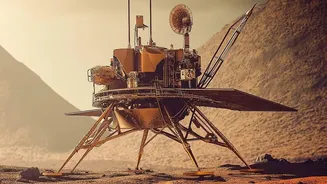
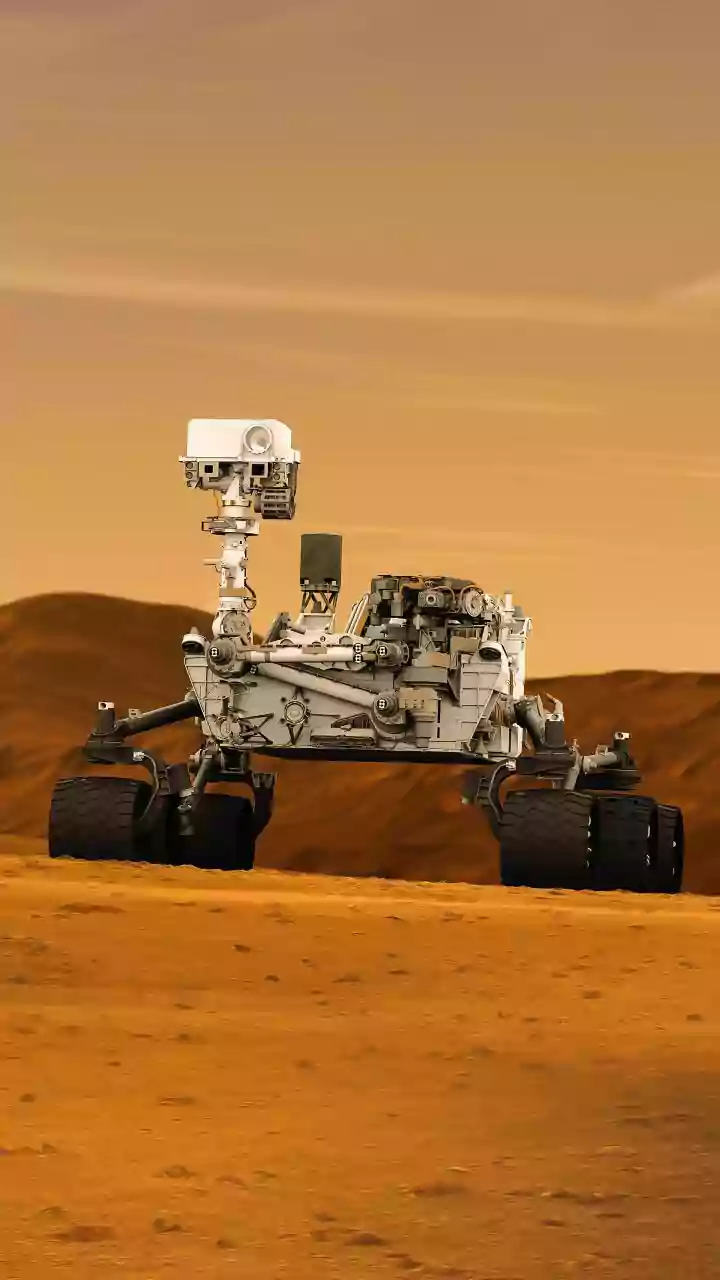
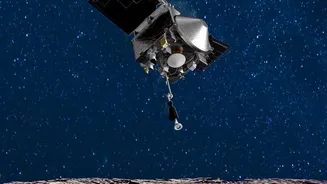
The mission's most challenging and anticipated phase involves landing on Phobos, the larger of the two moons. After arriving in the Martian system in August 2027, the spacecraft will spend significant time in a special 'quasi-satellite orbit', studying Phobos in detail to select a safe and scientifically valuable landing site. The plan includes deploying a small, German-French rover named Idefix to explore the surface first. Following this reconnaissance, the main MMX spacecraft will perform at least one landing to collect a minimum of 10 grams of regolith—the loose rock and dust on the surface. This material may not only hold clues to the moon's origin but could also contain dust ejected from Mars itself over eons, providing a secondary record of the Red Planet's history.
A Complex Five-Year Itinerary
The five year timeline reflects the immense complexity of an interplanetary round trip. The journey to Mars itself takes about a year. The spacecraft will then spend roughly three years in the Martian system. This period is dedicated to carefully observing both moons, deploying the rover, and executing the delicate landing and sampling operations on Phobos, a body with extremely weak gravity. After securing its precious cargo, the MMX probe will conduct several close flybys of the smaller moon, Deimos, to gather comparative data before firing its engines to begin the journey home in 2030. If all goes to plan, a small capsule containing the sample will detach from the main craft and re enter Earth's atmosphere in 2031, landing in the Australian desert for recovery.
Paving the Way for Future Exploration
Beyond its primary scientific goals, MMX is a crucial technology demonstrator. Successfully navigating to Mars, operating in a complex orbital environment, landing on a small celestial body, and returning to Earth will test and refine technologies essential for future space exploration, including potential human missions. Phobos itself is sometimes considered a potential future staging post for human operations on or around Mars. The data MMX gathers on its surface properties, composition, and environment will be invaluable for planning those next giant leaps. The mission is not just about looking back at the solar system's past; it's about building a technical bridge to its future.