







The Irresistible Pull of a Coorg Homestay
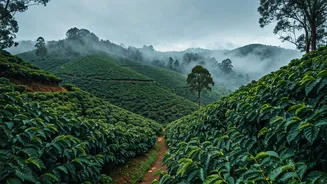
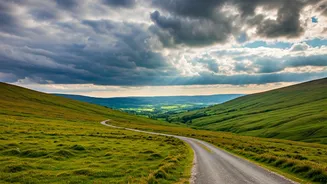
There's a reason Coorg is called the 'Scotland of India'. During the monsoon, this nickname feels especially true. The landscape transforms into a canvas of lush, vibrant greens, with waterfalls like Abbey and Iruppu in their full, roaring glory. Homestays,
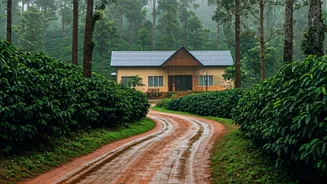
nestled deep within coffee and spice plantations, offer an experience hotels rarely can. They promise serene mornings waking up to mist-covered valleys, the scent of wet earth and fresh coffee, and the chance to savour authentic Kodava cuisine. This immersive experience, away from the clamour of city life, is what makes a monsoon trip to Coorg so tempting for couples, families, and solo travellers alike.
The Reality of Monsoon Roads
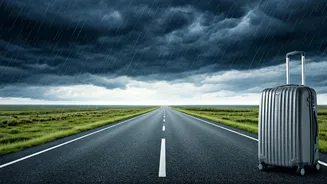
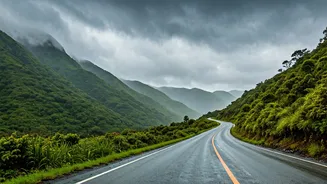
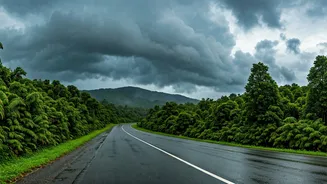
The romance of the monsoon, however, comes with practical challenges. Heavy rainfall, a defining feature from June to September, can make travel tricky. While main highways connecting from Bangalore or Mysore are generally motorable, the smaller, interior roads leading to remote estates can become slushy and difficult to navigate. The primary concerns are slippery surfaces, reduced visibility due to dense fog, and the potential for delays caused by fallen trees or, in extreme cases, landslides. In early June 2026, the India Meteorological Department (IMD) issued alerts for heavy rainfall in the region, advising caution on ghat roads. While Coorg's road network is often considered more forgiving than other parts of the Western Ghats, it still demands a cautious approach.
What to Ask Before You Book
A little bit of homework can make all the difference. Before finalising your booking, it’s wise to have a direct conversation with the homestay owner. Don't just rely on online booking platforms. Ask specific questions about the current condition of the road leading to their property. Inquire if a particular type of vehicle, like an SUV with higher ground clearance, is recommended. Some homestays in more accessible locations like Madikeri or Kushalnagar may be easier to reach than those in deeply forested areas. Also, ask about their backup power arrangements, as power outages can be common during heavy rains.
Your Monsoon Travel Checklist
For a safe and enjoyable trip, preparation is key. First, check your vehicle thoroughly, paying special attention to tyres, wipers, and fog lights. Start your journey early to avoid driving on unfamiliar, winding roads after dark, as visibility can drop to near zero in the fog. Pack essentials like a raincoat, waterproof footwear, and a dry bag for your electronics. It’s also a good idea to have a small emergency kit in your car with a first-aid box, power bank, and some snacks and water in case of unexpected delays. Always monitor the latest weather updates and local advisories before and during your travel. District administrations often post updates on road conditions during the monsoon.
Is a Monsoon Trip Worth It?
Absolutely, as long as you travel smart. The monsoon reveals a side of Coorg that is less about ticking off a list of sights and more about soaking in the atmosphere. It’s a time for slower, more mindful travel. The experience shifts from active sightseeing to enjoying the rain from a cozy veranda, taking short walks when the skies clear, and appreciating the powerful beauty of nature. With fewer tourists than in the peak season, you get a more peaceful and authentic feel of the place. By choosing your homestay wisely and preparing for the road conditions, you can ensure your monsoon escape to Coorg is both magical and safe.