


The Spiritual Heartbeat: Mathura's Midnight Devotion
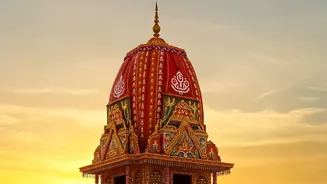
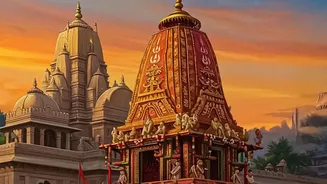
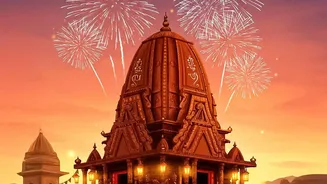
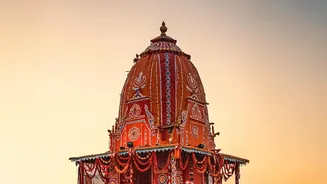
To travel to Mathura for Janmashtami is to embark on a spiritual pilgrimage. As the birthplace of Lord Krishna, the city offers an experience rooted in deep, personal devotion. The focal point is the Shri Krishna Janmabhoomi Temple, where devotees gather,
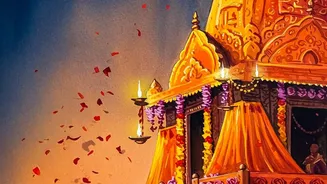
often fasting, to witness the midnight celebration marking the exact moment of Krishna's birth. The atmosphere is thick with the sound of bhajans, the ringing of temple bells, and collective chants that echo through the night. The climax is the abhishek, a grand ceremonial bathing of the deity's idol in milk, curd, and honey precisely at midnight. While the crowds are immense, the energy is one of shared reverence, not competition. The experience is about being present at the source, participating in centuries-old rituals in a city that breathes Krishna's legacy.
The Pilgrim's Path: Navigating Mathura
A trip to Mathura requires careful planning. Accommodation and trains, especially from nearby hubs like Delhi and Agra, are booked months in advance. Once there, navigating the city means embracing the crowds as part of the pilgrimage. Be prepared for security checks, especially around the main temple complex. The journey is less about sightseeing and more about immersion. Visitors can explore other significant sites like the Dwarkadhish Temple or take a short trip to Vrindavan, where temples like Banke Bihari and ISKCON host their own grand celebrations. The travel experience here is defined by patience and a focus on the spiritual journey, with the reward being a profound connection to the festival's origins.
The Urban Arena: Mumbai's High-Energy Dahi Handi
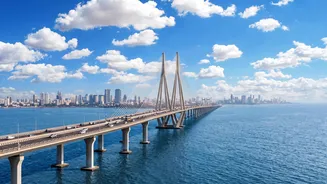
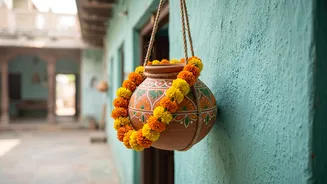
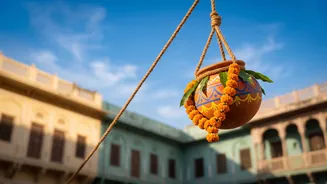
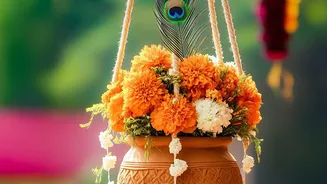
In stark contrast, Janmashtami in Mumbai is an electrifying public spectacle, celebrated the day after as Dahi Handi. This festival transforms the city's streets into a competitive arena. The tradition reenacts Krishna's childhood mischief of stealing butter. Earthen pots, or handis, filled with curd and prizes are hung high above the streets. Teams of young people, called Govinda pathaks, form towering human pyramids to reach and break the pot. The atmosphere is festive and boisterous, filled with music, cheering crowds, and a tangible sense of competition, as teams vie for prize money that can run into lakhs. Major events in areas like Thane, Dadar, and Worli often feature celebrity appearances, turning the day into a massive cultural event.
The Spectator's Adventure: Experiencing Mumbai
Traveling for Dahi Handi is about chasing the action. Instead of one central point, the festival unfolds across numerous neighbourhoods. The best strategy is to pick a few key locations and navigate between them using local transport, though one must account for road closures and heavy traffic. The experience is that of a spectator at a high-stakes sporting event. You are there to witness incredible feats of teamwork, balance, and courage. It isn't a quiet, reflective journey; it's an adrenaline-fueled day of cheering with thousands of others, capturing the vibrant, unified spirit of Mumbai. The focus is on community energy and public celebration rather than internal worship.
Two Festivals, One God: Choosing Your Journey
Ultimately, the choice between Mathura and Mumbai comes down to what you seek from the festival. Mathura offers a journey inward—a pilgrimage to the heart of faith, defined by timeless rituals and a contemplative midnight wait. It is for the devotee who wants to feel connected to the spiritual epicentre of Janmashtami. Mumbai, on the other hand, offers a journey outward—a vibrant, modern-day cultural sport that celebrates Krishna's playful and community-oriented side. It is for the traveller who wants to be swept up in a wave of high-octane energy and witness a unique Maharashtrian tradition. Both honour the same deity, but they do so in languages of devotion that are worlds apart.