






A Splash of Nature in the Concrete Jungle
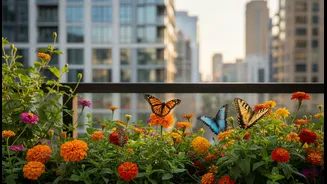
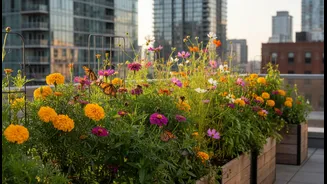
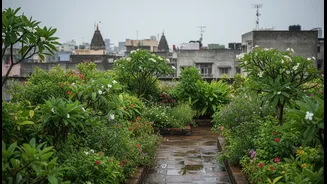
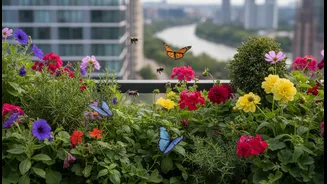
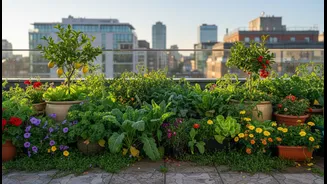
In cities like Mumbai, Bengaluru, and Pune, a growing number of people are discovering the joy of 'pollinator balconies'. This trend goes beyond just adding a few pots of flowers; it's about consciously creating a mini-ecosystem to attract and support
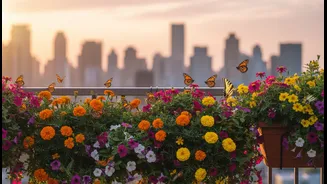
butterflies, bees, and other vital pollinators. Spurred by a desire to reconnect with nature amidst urban life, these small-scale gardens are turning high-rise apartments and compact homes into vibrant green spaces buzzing with life. For many, it has become a soothing antidote to the stress of city living and a way to bring a touch of the wild into their daily lives.
More Than Just a Pretty Sight
Creating a butterfly garden is about much more than aesthetics. These tiny green patches play a crucial role in urban ecology. Butterflies are key pollinators, and with their natural habitats shrinking due to urbanisation, they face increasing threats. Balcony gardens act as vital 'green corridors' or stepping stones, creating a network of safe havens that allow butterflies and other pollinators to navigate the concrete jungle. By planting the right species, balcony gardeners are actively helping to boost local biodiversity, supporting not just butterflies but also bees, birds, and other beneficial insects.
The Butterfly Buffet: What to Plant
To create a successful butterfly haven, you need to provide a complete menu. This means including two types of plants: host plants and nectar plants. Host plants are where butterflies lay their eggs and what their caterpillars feed on. Nectar plants provide food for adult butterflies. For a garden in India, great host plant choices include Curry Leaf (kadi patta) for the Common Mormon butterfly, Citrus plants like lime for the Lime butterfly, and various Milkweed (Asclepias) species for the striking Tiger butterflies. For nectar, butterflies are drawn to the bright, easy-access flowers of plants like Lantana, Ixora, Pentas, Marigold, and Zinnia. Planting a variety ensures a steady stream of visitors.
Your Balcony Ecosystem: Simple Steps to Start
You don't need a sprawling lawn to get started; even a few large pots can make a difference. First, choose a spot that gets several hours of sunlight, as most flowering plants need it to bloom. Use a good potting mix and ensure your containers have drainage holes. To truly create a safe space, it is crucial to avoid chemical pesticides, which are harmful to butterflies and caterpillars. Instead, manage pests with natural solutions. You can also add a shallow dish of water with some pebbles for the butterflies to drink from and rest on, a practice known as 'mud-puddling'. Grouping plants together in clusters makes them more attractive to passing butterflies.
The Rewards of Watching and Waiting
The greatest reward of a butterfly garden is the connection it fosters with the natural world. There's a unique joy in watching a caterpillar transform, seeing a chrysalis form, and finally, witnessing a new butterfly take its first flight from your own balcony. This process is not only fascinating but also offers a powerful lesson in patience and the cycles of life. The simple act of observing these delicate creatures can be a form of therapy, reducing stress and enhancing mental well-being. It’s a chance to participate in conservation on a personal scale, making a tangible difference one plant at a time.