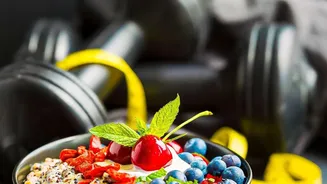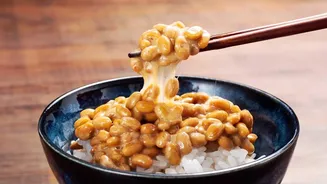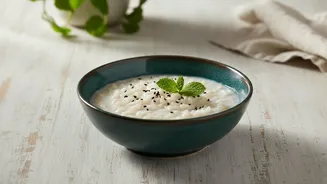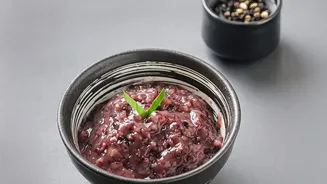




An Ancient Food for Modern Goals
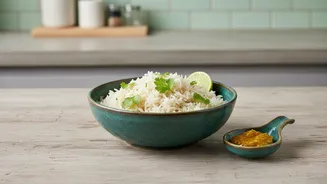
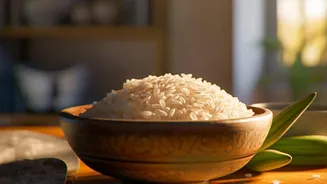
Known by many names—including Pazhaya Soru, Neeragaram, and Panta Bhat—this dish is fundamentally simple: leftover cooked rice soaked in water, often in a clay pot, and left to ferment overnight. What was born from a desire to prevent food waste has been
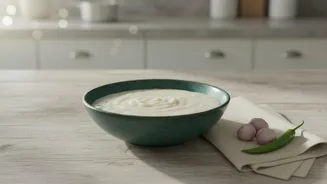
a breakfast staple for generations, particularly for farmers who needed sustained energy and hydration to work under the hot sun. The fermentation process transforms the humble rice into a nutrient-dense, probiotic-rich meal. Traditionally, it’s served cold, often mixed with shallots, green chilies, and a bit of yogurt or buttermilk, creating a tangy, refreshing porridge.
How It Creates a Probiotic Powerhouse
The magic of Pazhanthanji lies in its fermentation. When rice soaks overnight, naturally present lactic acid bacteria begin to multiply. These are the same types of beneficial microorganisms found in yogurt and other fermented foods, commonly known as probiotics. These good bacteria help colonize your gut, creating a healthier intestinal environment. Studies have identified several beneficial bacterial strains in fermented rice, which contribute to better digestion and a stronger intestinal lining. Furthermore, the fermentation process breaks down phytic acid, an anti-nutrient in rice that can block the absorption of minerals. This makes essential nutrients like iron, calcium, and magnesium more available to your body. Some reports suggest that the bioavailability of iron can increase dramatically after fermentation.
The Gut-to-Muscle Connection for Fitness
For anyone focused on fitness, gut health is not a secondary concern—it's foundational. A thriving gut microbiome directly impacts athletic performance. A healthy gut allows for more efficient nutrient absorption, meaning you get more value from all the food you eat, from protein shakes to complex carbs. It also plays a crucial role in regulating inflammation. Strenuous exercise naturally causes micro-tears in muscles, leading to inflammation; a balanced gut can help manage this response, leading to faster recovery and less soreness. Probiotics have been shown to help maintain intestinal health in athletes, potentially improving performance outcomes. By supporting your gut with foods like Pazhanthanji, you are also supporting your muscles' ability to repair and grow.
More Than Just Probiotics
While the probiotic content is a major draw, Pazhanthanji offers a slate of other benefits relevant to an active lifestyle. First, it's incredibly hydrating, as it consists of rice soaked in water, making it an excellent meal for replenishing fluids. Second, it has a natural cooling effect on the body, a benefit long understood in hot South Indian climates. Third, it's a source of easily digestible carbohydrates, providing sustained energy without feeling heavy. The fermentation process also increases the levels of B vitamins, including B6 and B12, which are vital for energy metabolism. This combination of hydration, energy, and micronutrients makes it a uniquely functional food.
How to Weave It Into Your Routine
Making Pazhanthanji is as simple as it sounds. Take leftover cooked rice (whole grain rice like red or brown rice works well), place it in a clay or glass bowl, and cover it with water. Let it sit on your counter overnight for 8-12 hours. In the morning, the water will be slightly cloudy and the rice will be soft. You can mash the rice with your hands or a fork, then mix in your additions. For a fitness-focused meal, consider adding Greek yogurt for a protein boost, along with traditional flavorings like chopped shallots and a pinch of salt. You can have it as a light, energizing breakfast before a workout or as a recovery meal to replenish glycogen stores and support gut repair afterward.