





The Brain's Quest for Comfort
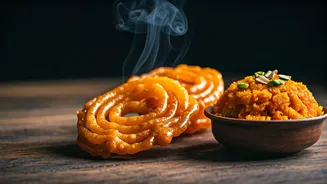
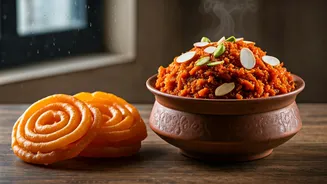
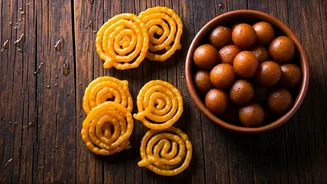
That sudden desire for a hot bowl of *gajar ka halwa* or crispy *jalebis* as the rain pours down is deeply rooted in our biology. The gloomy, overcast skies of the monsoon mean less exposure to sunlight. This reduction in sunlight can lead to a dip in the levels
of serotonin, a key neurotransmitter responsible for regulating mood, appetite, and sleep. When serotonin levels are low, it can trigger feelings of sadness or lethargy, and our brain knows a quick way to get a boost: carbohydrates and sugar. Eating sweet, carbohydrate-rich foods helps increase the brain's uptake of tryptophan, an amino acid that is a precursor to serotonin. In essence, your brain is self-medicating, pushing you towards that comforting dessert to lift your spirits on a dreary day.
The Warmth and Energy Connection
There's also a simple, primal reason for our cravings: temperature. As the monsoon brings cooler, damp weather, our body's internal thermostat looks for ways to generate heat. The process of digesting food, known as diet-induced thermogenesis, actually produces heat and can raise our body temperature. Your body instinctively craves calorie-dense foods—often high in fats and sugars—because they provide a quick and potent source of energy to help keep you warm. This is why a cold salad feels unappealing, but a warm, rich dessert feels like exactly what you need. It's a survival instinct leftover from a time when staying warm required more calories.
When Rain Brings the 'Blues'
For some, the persistent lack of sunlight during prolonged rainy seasons can trigger a milder form of Seasonal Affective Disorder (SAD), often called the 'winter blues'. A key characteristic of SAD is an increased appetite and specific cravings for carbohydrates. This is directly linked to the brain's attempt to regulate mood through serotonin production. The connection between light exposure, mood, and food is powerful. When the days are consistently grey, the brain seeks comfort and pleasure from other sources, and a sweet, satisfying dessert is an easy and effective choice.
Culture, Memory, and Monsoon Rituals
Beyond the biology, our cravings are deeply shaped by culture and memory. In India, the monsoon is not just a weather phenomenon; it's a cultural event steeped in tradition. From childhood, we associate the rainy season with specific foods. The aroma of *bhajiyas* frying, the sight of street vendors selling roasted corn (*bhutta*), and the family ritual of making sweets at home create powerful, positive memories. These foods become synonymous with comfort, family, and the joy of the rains. This emotional and nostalgic connection is a powerful driver. When it rains, we're not just craving sugar; we're craving the feeling of cosiness and belonging that these foods represent.