




The Off-Season Is Officially On
The long-held belief that monsoons are an off-season for tourism in India is being washed away. Recent data from across the hospitality industry shows a remarkable improvement in hotel occupancy rates for July 2026. This surge is not an anomaly but part
of a growing trend where travellers, especially younger ones, are embracing the unique beauty of the rainy season. According to travel industry experts, there has been a noticeable rise in monsoon reservations, with some destinations seeing bookings grow by as much as seven to ten times compared to the previous year. This shift from traditional long holidays to shorter, experience-led getaways has transformed the monsoon into a sought-after travel period. Hotels are no longer slashing prices as they did in the past; instead, resilient demand is keeping rates steady, signalling a permanent change in India's domestic travel calendar.
From the Ghats to the Coasts: Where India Is Travelling
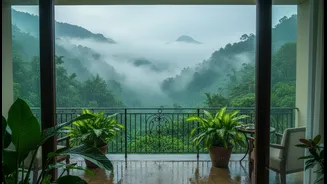
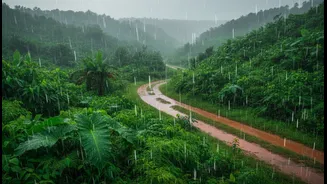
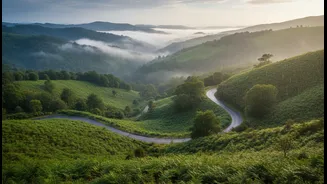
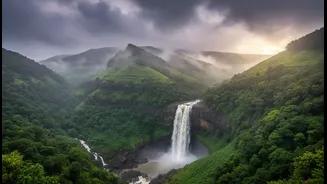
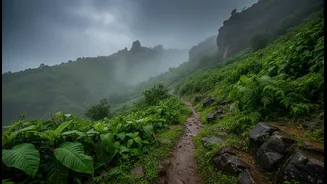
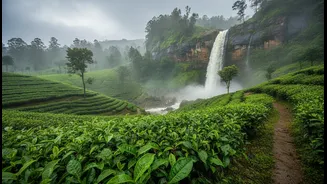
So, where are these pluviophiles—or rain lovers—headed? The answer lies in destinations that come alive with the monsoon. The Western Ghats are a major draw, with hill stations like Lonavala, Mahabaleshwar, Munnar, and Coorg turning into lush, green paradises. Lonavala and Mahabaleshwar, easily accessible from Mumbai and Pune, are perennial favourites for their mist-covered valleys and seasonal waterfalls. Further south, Coorg in Karnataka, known as the 'Scotland of India', attracts visitors with its sprawling coffee plantations and rain-drenched forests. Kerala's Munnar, with its vibrant tea gardens, offers postcard-perfect views. Surprisingly, Goa is also seeing a monsoon surge. Traditionally a winter sun destination, travellers are now discovering its quieter, greener side, complete with treks to magnificent waterfalls like Dudhsagar. Even the lakes of Udaipur in Rajasthan become more alluring during the rains, offering a cooler, more comfortable sightseeing experience.
Why Travellers Are Chasing the Clouds
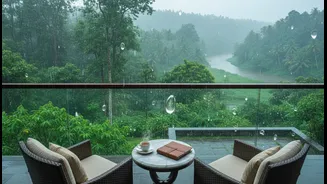
The motivation behind this trend goes beyond just a change of scenery. A primary driver is the desire for a different kind of experience. Monsoon travel offers a chance to see popular places without the usual overwhelming crowds. This allows for a deeper, more peaceful connection with nature. Travellers are increasingly seeking authentic experiences over just ticking off landmarks, and the monsoon provides a perfect backdrop for wellness retreats, exploring local cuisine, and immersing in culture. Another significant factor is value. While prices are no longer plummeting, the monsoon still offers more competitive rates for flights and luxury accommodations compared to the peak winter season, making premium experiences more accessible. The rise of flexible work schedules has also made it easier for people to take short, spontaneous weekend getaways, which are perfect for a quick monsoon refresh.
An Industry Embraces the Drizzle
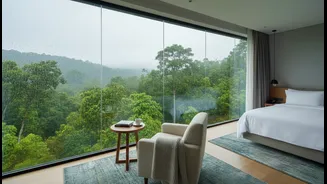
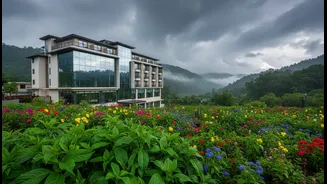
The travel and hospitality industry has been quick to respond to this growing demand. Hotels and resorts are no longer just waiting for the season to pass; they are actively marketing it. Major hotel chains are rolling out curated 'Monsoon Escape' packages that include special rates, meals, and spa discounts to attract guests. These aren't just generic offers; they are designed to enhance the rainy-season experience. Think guided nature walks, visits to spice plantations, and even monsoon weddings. Indian Hotels Co Ltd (IHCL), for instance, has noted a 15-17% growth in bookings in Goa and is promoting monsoon-specific food festivals that have tripled footfall in their restaurants. Similarly, Radisson Hotel Group reports that its July bookings are pacing nearly 10% ahead of last year, driven by robust demand for leisure destinations. This proactive approach shows that the industry now views the monsoon as a vital part of the annual tourism cycle, helping to create year-round demand.