


Saturn Reaches Opposition
October kicks off with a spectacular show from the ringed planet. On October 4, Saturn will be at opposition, meaning Earth is directly between it and the Sun. This alignment makes Saturn appear at its biggest and brightest for the entire year, visible
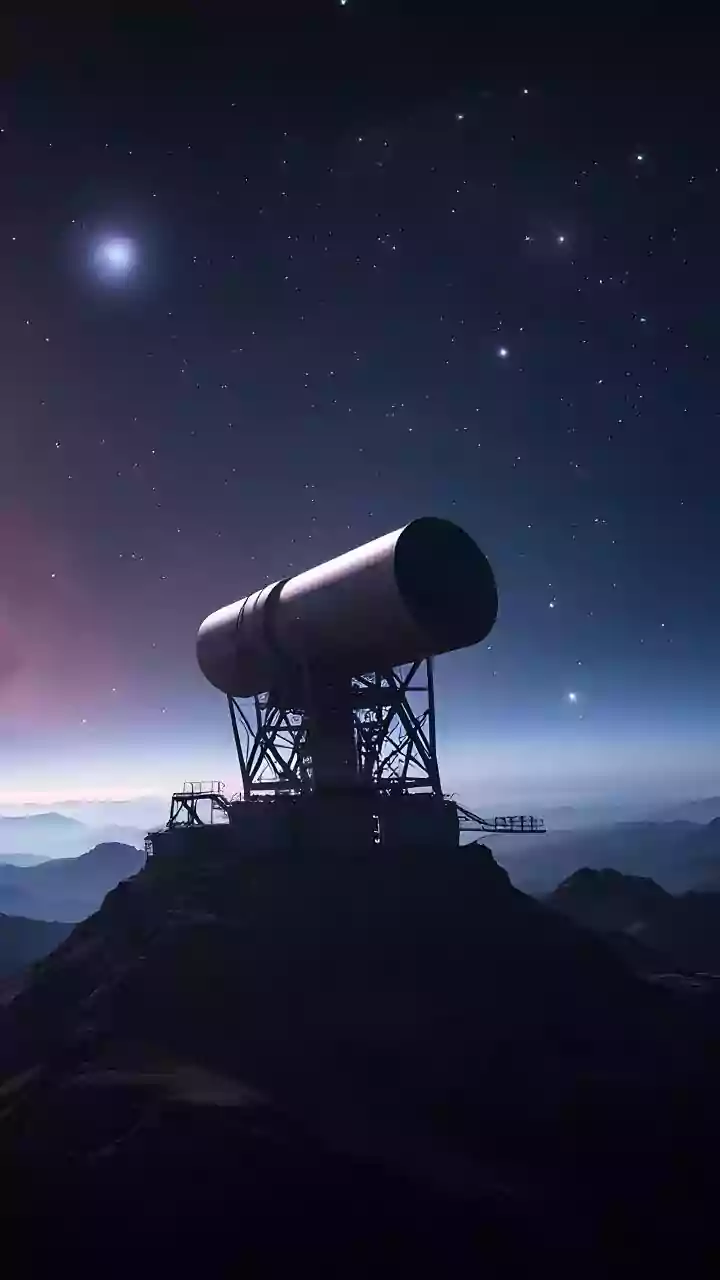
all night long. It will rise in the east around sunset and track across the sky until setting in the west near sunrise. While visible to the naked eye as a steady, bright point of light, even a small telescope will reveal its famous rings, making this the best time in 2026 to observe the gas giant.
The Draconid Meteor Shower
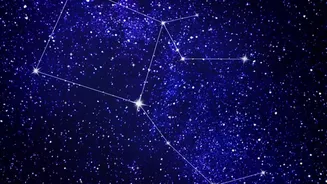
The first of two meteor showers this month is the Draconids, active from October 6 to 10. The peak is expected on the night of October 8-9. What makes the Draconids unusual is that the best time to watch is in the early evening, just after full darkness falls, rather than the typical post-midnight hours. The radiant, or the point from which the meteors appear to originate, is the constellation Draco the Dragon in the northern sky. In 2026, viewing conditions are excellent, as the shower peaks just before the new moon, meaning dark, moonless skies. While typically a modest shower with about 5 to 10 meteors per hour, the Draconids have been known to produce surprising bursts of activity in the past.
New Moon and Dark Skies
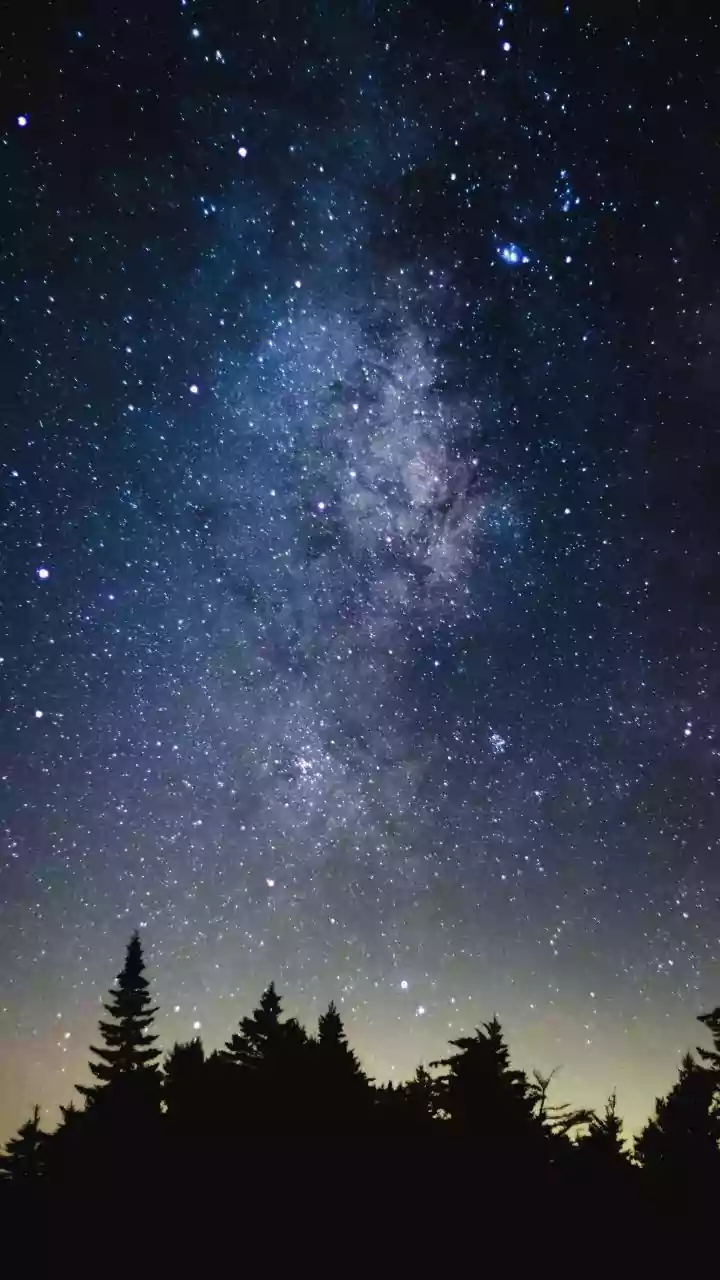
Mark your calendars for October 10, the date of the new moon. With the moon completely absent from the night sky, this is the ideal time to hunt for faint deep-sky objects like galaxies and star clusters. If you have access to a telescope and a dark location away from city lights, this is your best opportunity of the month to explore the more distant wonders of the universe without any lunar interference.
The Orionid Meteor Shower
Arguably the month's main event, the Orionid meteor shower peaks on the night of October 21-22. The Orionids are beloved for being comprised of dust and debris left behind by the famous Halley's Comet. This shower is known for producing fast, bright meteors, sometimes leaving persistent trails, with up to 15-25 meteors per hour expected under ideal conditions. However, the bright waxing gibbous moon will interfere with viewing for much of the night. For the best show, wait until the moon sets, which will be a few hours before dawn. This pre-dawn window will offer the darkest skies to catch these swift shooting stars. The meteors will appear to radiate from the constellation Orion but can be seen streaking across any part of the sky.
The Full Hunter's Moon
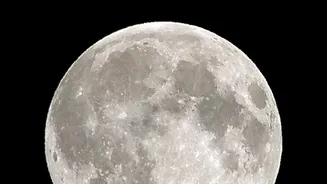
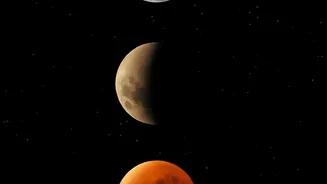
October's full moon, traditionally known as the Hunter's Moon, will rise on the evening of Sunday, October 25, and reach its peak illumination early on October 26. It follows the Harvest Moon and is named for the time of year when hunting was traditionally done under the bright moonlight of autumn. The best time to watch is as it climbs above the eastern horizon around sunset on October 25. At this time, it will appear larger and take on a beautiful golden or orange hue due to the effect of Earth's atmosphere.
Jupiter and Mars in the Morning
Early risers throughout October will be rewarded with bright views of Jupiter and Mars. The two planets will be prominent in the eastern sky in the hours before dawn. Jupiter, the brighter of the two, will be unmistakable, while reddish Mars will appear above it. On October 5 and 6, the crescent moon will pass by Mars and then Jupiter, creating a beautiful celestial gathering in the pre-dawn sky that will be a delight for photographers and observers alike.