



Why Yoga Works for Stress and Focus
It's not just about stretching. The magic of yoga lies in its mind-body connection. When you feel stressed, your body releases hormones like cortisol. Scientific studies have shown that a regular yoga practice can help lower these stress hormone levels.
At the same time, it can increase the production of chemicals like GABA (gamma-aminobutyric acid), which has a calming effect on the nervous system, reducing feelings of anxiety and worry. The combination of physical postures, controlled breathing, and mindfulness directly counters the 'fight or flight' response that exam pressure triggers. By slowing down your breathing and focusing on movement, you send a signal to your brain that it's okay to relax, which in turn sharpens your ability to concentrate and retain information.
A 5-Minute Pre-Study Focus Routine
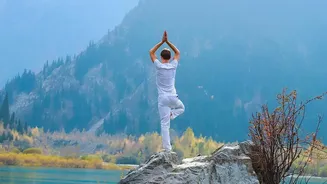
Before you open your textbooks, take five minutes to centre your mind and energise your body. This quick routine helps improve blood flow to the brain, setting the stage for a productive study session. 1. Mountain Pose (Tadasana): Stand tall with your feet together, grounding yourself. Distribute your weight evenly. Straighten your back, drop your shoulders, and face forward. Breathe deeply for 30 seconds. This simple pose improves posture and builds awareness. 2. Tree Pose (Vrikshasana): From Mountain Pose, shift your weight onto your left foot and place the sole of your right foot on your inner left thigh or calf (avoid the knee). Find a fixed point to gaze at to help you balance. Hold for 30 seconds, then switch sides. This pose is a fantastic tool for building single-pointed concentration. 3. Cobra Pose (Bhujangasana): Lie on your stomach with your palms under your shoulders. Gently lift your chest off the floor, keeping your lower body grounded. This gentle backbend opens up the chest, improves breathing, and invigorates the body.
Quick Study-Break Resets
When you feel your focus fading or your back starting to ache, step away from your desk for a quick reset. These micro-breaks are more effective than scrolling through your phone. Cat-Cow Pose (Marjariasana-Bitilasana): Get on your hands and knees. As you inhale, drop your belly and look up (Cow). As you exhale, round your spine and tuck your chin to your chest (Cat). Repeat 5-10 times. This movement releases tension in the spine from long hours of sitting. Seated Spinal Twist (Ardha Matsyendrasana): Sit on the floor with your legs extended. Bend your right knee and place your right foot outside your left thigh. Twist your torso to the right, placing your right hand behind you for support. This pose is said to 'squeeze and soak' the organs, improving circulation and releasing tension.
A 10-Minute Wind-Down for Better Sleep
A good night's sleep is crucial for memory consolidation. Instead of looking at screens before bed, which can interfere with sleep, try this calming routine to quiet your mind. Legs-Up-The-Wall Pose (Viparita Karani): This is the ultimate relaxation pose. Lie on the floor and swing your legs up against a wall. Keep your arms relaxed by your sides. Close your eyes and focus on your breath for 5-10 minutes. This pose calms the nervous system and helps reduce fatigue in the legs. Child's Pose (Shishuasana): Kneel on the floor, sit back on your heels, and fold forward, resting your forehead on the mat. You can stretch your arms forward or rest them alongside your body. This pose is deeply restorative and helps soothe an overactive mind. Bee Breath (Bhramari Pranayama): Sit comfortably, close your eyes, and gently press your ears with your thumbs. Inhale deeply, and as you exhale, make a low-pitched humming sound like a bee. Repeat 5-7 times. This practice is incredibly effective at calming the mind and easing anxiety.
Making Your Practice Fun
The best routine is one you actually stick with. To keep your yoga practice from feeling like another chore, try these tips. First, create a playlist of your favourite calming or uplifting music to play in the background. Second, don't worry about perfecting the poses. The goal is to feel good, not to look like a professional yogi. Laugh if you wobble and fall out of a balance pose. Third, practice with a friend. You can motivate each other and share the experience. Finally, remember that even a five-minute session is better than nothing. The key is consistency, not duration.