








A Tradition Meets Modern Realities
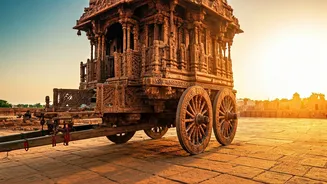
The Jagannath Rath Yatra in Puri is an event of staggering scale. Each year, an estimated one to two million devotees descend upon the coastal town to witness the sacred journey of Lord Jagannath, Lord Balabhadra, and Devi Subhadra. The Grand Road, or Bada
Danda, transforms into a sea of humanity, making crowd management a monumental challenge. In response to past incidents and the ever-growing number of pilgrims, authorities have shifted from reactive measures to a proactive, comprehensive security strategy for the festival, which commences on July 16, 2026. This new approach, which can be described as a 'crowd-safety mode', is a blend of boots-on-the-ground manpower and cutting-edge technology, all with the singular goal of ensuring a safe and spiritually fulfilling experience for everyone.
What 'Crowd-Safety Mode' Actually Means
For 2026, Odisha Police has finalized a massive security blueprint. Around 12,000 police personnel are being deployed, including 250 platoons from specialized state units like the Odisha Special Armed Police (OSAP) and India Reserve Battalion (IRBN). They will be bolstered by 10 companies of Central Armed Police Forces (CAPF) and nearly 3,000 Home Guards to assist with traffic and crowd regulation. A multi-layer security cordon will be established along the Grand Road. To prevent sanitation issues and maintain order, the distribution of cooked food by voluntary organizations along the main procession route has been prohibited; only dry food items will be permitted. Furthermore, learning from past challenges, the issuance of cordon passes for those pulling the chariots will be strictly regulated to prevent dangerous overcrowding near the ropes.
Technology at the Forefront
This year's arrangements feature a significant technological upgrade. An extensive network of CCTV cameras will cover the entire route, enabling real-time monitoring from integrated control rooms. To manage the flow of people and vehicles, authorities have identified eight additional parking locations and will use traffic dividers and delineators to create dedicated zones. Drones will likely provide an aerial overview, while specialized units, including K-9 squads and NSG-trained commandos, will be on standby. The plan also includes the installation of LED screens at high-footfall areas to broadcast instructions and updates directly to the devotees, enhancing communication and preventing the spread of misinformation. Special attention has also been given to creating clear corridors for emergency vehicles, ensuring ambulances and first-aid teams can move swiftly if needed.
Guidance for Devotees and Visitors
For the lakhs of devotees travelling to Puri, cooperation is key to a successful festival. Authorities have strongly urged everyone to follow the traffic advisories that will be regularly issued on the official Odisha Police portal. With several new traffic and parking plans in place, adhering to these guidelines will help minimize congestion. To further ease travel, toll fees will be waived at the Pipili tollgate, and 400 electric vehicles will be available to ferry people between designated parking lots and the main festival areas. Devotees are advised to be aware of the new regulations, such as the prohibition on cooked food distribution on the Bada Danda, and to utilize the official information boards for directions to authorized food kiosks and drinking water outlets. The primary goal of the police, as stated by the DGP, is to ensure pilgrims can arrive without inconvenience, have a peaceful darshan, and return home safely.