





Why Direct Swaps Can Fail
Relying on a simple one-for-one substitution chart can sometimes lead to disappointing results. A dish might end up with a strange consistency, a flat flavour, or a texture that just feels wrong. That’s because every ingredient serves a specific function
beyond its basic taste. It might be providing structure, moisture, richness, or a crucial element of contrast. For example, replacing butter with oil in a cake recipe might seem logical, but it can drastically alter the final texture from tender and crumbly to dense and heavy. Understanding the role an ingredient plays is the first step toward finding a truly effective replacement. Instead of asking “What tastes like this?” a better question is “What does this ingredient do for the dish?” This is where the concepts of texture and acidity become your most powerful tools.
The Critical Role of Texture
Texture, or mouthfeel, is just as important as flavour. Often, when a dish feels like it’s “missing something,” the issue is a lack of textural contrast. Think about the pleasure of a crispy topping on a creamy bake, the crunch of nuts in a soft salad, or the flaky crust of a samosa giving way to a soft filling. These combinations keep our palates engaged. When you need to substitute an ingredient, consider its textural contribution. Are you replacing something crunchy, creamy, chewy, or soft? If a recipe calls for breadcrumbs as a topping and you have none, think about what else can provide that signature crunch. Crushed crackers, fried onions, or even toasted and chopped nuts could work beautifully because they fulfill the same textural job. In vegetarian cooking, this is especially vital; replacing meat successfully often means replicating its satisfying chewiness, which is why ingredients like mushrooms or firm tofu are often used not just for flavour, but for their textural substance.
Harnessing the Power of Acidity
Acidity is the secret weapon of a great cook. It is the element that brings brightness and balance to a dish, preventing it from tasting heavy, monotonous, or overly rich. Acid cuts through fat, balances sweetness, and enhances the other flavours present. If a curry tastes flat, before reaching for more salt, consider a squeeze of lime or a spoonful of tamarind paste. These acidic components can awaken all the other spices. Common sources of acidity in Indian and global kitchens include citrus fruits (lemon, lime), vinegar, tomatoes, yogurt (dahi), and tamarind (imli). When substituting, think about the acid's role. If a recipe calls for tomatoes in a gravy, their function is to provide moisture, a base flavour, and acidity. If you're out of fresh tomatoes, using tomato puree works, but you could also achieve a similar balancing act with a combination of another vegetable base and a dash of vinegar or amchur (dry mango powder) to provide that necessary acidic lift.
Putting It All into Practice
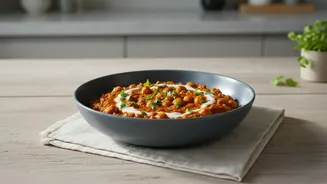
Let’s apply these principles. Imagine a recipe calls for sour cream as a garnish for a rich dal makhani. You don't have any. First, think about its function. Sour cream provides a cool, creamy texture and a tangy acidity that cuts through the richness of the lentils and butter. A simple substitution like fresh cream would only add more richness and lack the necessary tang. However, a spoonful of thick, plain yogurt (dahi) would be a perfect substitute. It provides both the creamy texture and the balancing acidity. Another example: a salad dressing calls for red wine vinegar. You don't have it. The vinegar’s job is to provide a sharp, acidic counterpoint to the oil. You could easily substitute it with another acid like apple cider vinegar or lemon juice. While the specific flavour will be slightly different, the fundamental balance of the dressing will be preserved because you have honoured the ingredient's acidic function.