
A Shift in Health Consciousness
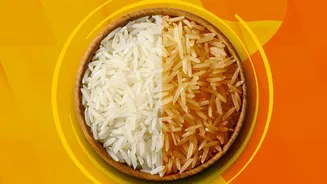
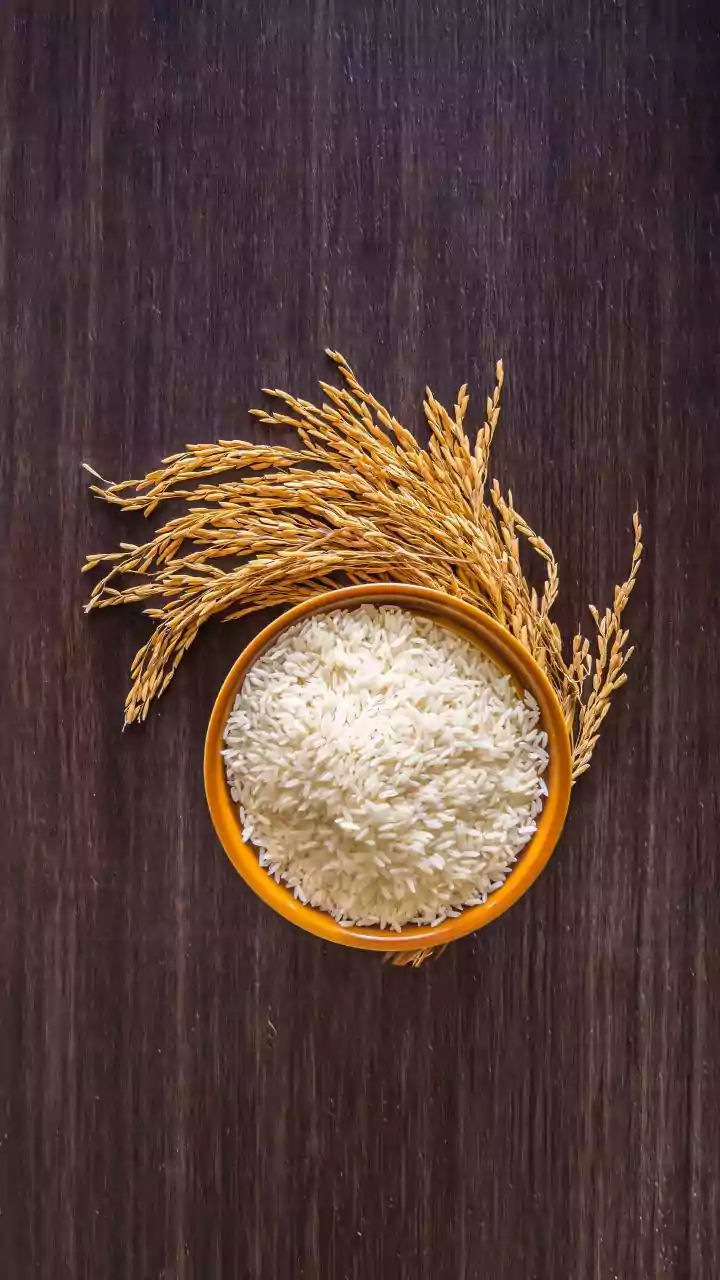
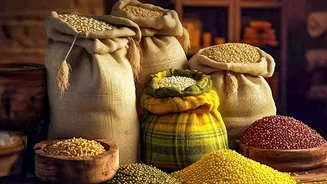
One of the biggest drivers is a collective move towards healthier eating. Unlike their highly polished counterparts, many traditional rice varieties are packed with nutrients. Hand-pounded, brown, red, and black rice types retain more fibre, vitamins,
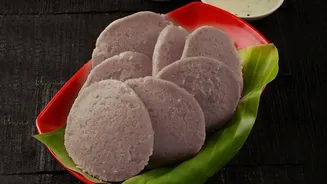
and minerals. Varieties like red rice and the famed Navara rice from Kerala are rich in antioxidants and often have a lower glycemic index, which helps in managing blood sugar levels. This makes them an attractive choice for health-conscious consumers looking for foods that do more than just fill the stomach. As people become more aware of the link between diet and well-being, these nutrient-dense grains offer a wholesome alternative to processed staples.
The Allure of Aroma and Flavour
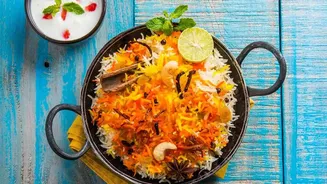
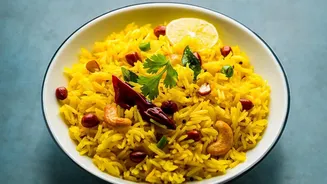
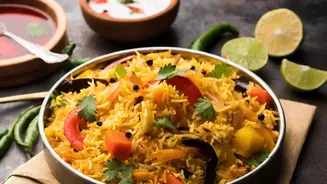
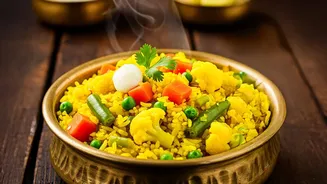
Beyond nutrition, the rediscovery of regional rice is a sensory journey. While standardised white rice can be neutral, heirloom varieties offer a stunning diversity of tastes, textures, and aromas. Think of the fragrant, short-grained Gobindobhog from Bengal, perfect for kheer, or the nutty flavour of Tamil Nadu's Kullakar red rice. Chefs and adventurous home cooks are embracing these unique characteristics to elevate their dishes. A biryani made with the tiny, aromatic Jeerakasala (or Kaima) rice from Kerala offers a completely different experience than one made with long-grain basmati. This trend is about bringing complexity and regional identity back to the plate, celebrating rice not just as a filler but as a star ingredient.
Sustainability and Climate Resilience
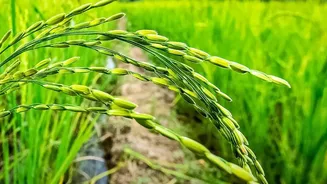
This movement is also deeply connected to environmental concerns. India was once home to over 100,000 rice varieties, each adapted to its local ecosystem. Many of these indigenous or 'landrace' varieties are naturally resilient, able to withstand droughts, floods, and saline soil better than many modern hybrids. They often require fewer chemical fertilisers and pesticides, making their cultivation more sustainable. By choosing these grains, consumers and farmers are supporting agricultural biodiversity and opting for crops that are better suited to a changing climate. This makes the revival not just a culinary trend, but a practical response to environmental challenges.
Supporting Farmers and Preserving Heritage
The push for regional rice is also about community and culture. For years, the dominance of high-yield hybrids left small farmers dependent on expensive seeds and inputs. The growing demand for traditional varieties provides a new market for these farmers, allowing them to earn a better income while preserving agricultural heritage. This revival is being led by a network of farmers, conservationists, and non-profit organisations who have been working for decades to save these seeds from extinction. When consumers buy a packet of Karuppu Kavuni ('Emperor's Rice') or Mappillai Samba, they are not just buying food; they are supporting a system that values local economies and protects a living piece of India's cultural history.