




The Age of the Insta-Dish
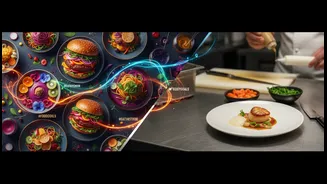
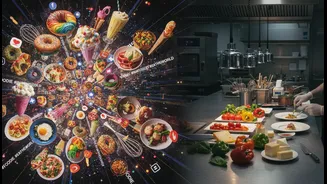
A dish is no longer just food; it's content. In India's digital-first food culture, what makes a dish popular has fundamentally changed. The journey to discovery doesn't start with a friend's recommendation but with an endless scroll through Instagram
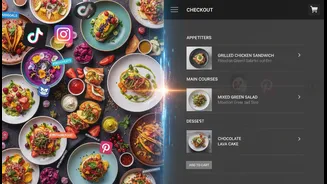
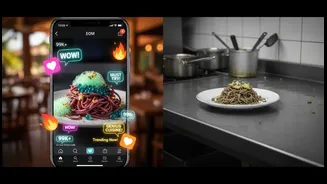
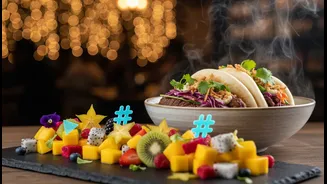
Reels. We're living in the era of 'camera eats first,' where oversized portions, dramatic cheese pulls, and vibrant colours are engineered for visual impact. Trends like Korean buns, fusion chaats, and experimental desserts can explode overnight, driven by a cycle of views, shares, and FOMO (fear of missing out). This creates a powerful, fast-moving wave of consumer demand. A single viral video can make a small stall famous or fill a new cafe for weeks, with diners often travelling long distances just to taste what they saw online.
From Screen to Stove: A Difficult Journey
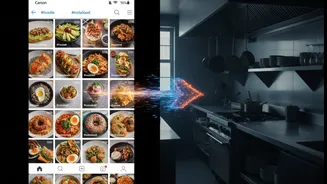
If everyone wants the viral dish, why don't restaurants just add it to the menu? The path from a 30-second Reel to a customer's plate is riddled with operational hurdles. Chefs often have to reverse-engineer a dish from a short clip, relying on trial and error to figure out the recipe and technique. Then comes the supply chain challenge. Sourcing new or niche ingredients at scale and speed can be a logistical nightmare, especially for larger chains that need consistency across multiple outlets. Staff must be retrained, and kitchen workflows may need to be reorganised to accommodate the new item without slowing down service for the core menu. These practical constraints mean that by the time a large establishment is ready to launch a trend-inspired dish, the trend may already be fading.
The Economics of a Fleeting Fad
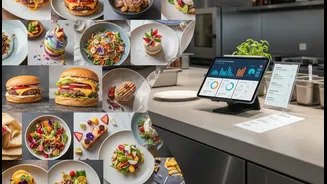
Beyond logistics, the business case for adopting a short-lived trend is a high-stakes gamble. Restaurant owners must engage in careful menu engineering, balancing the potential buzz of a new item against its profitability and the popularity of existing staples. A viral dish might bring in new customers, but is it profitable? The cost of new ingredients, marketing, and potential food waste if the trend dies quickly can eat into already thin margins. The lifecycle of these trends is incredibly short, sometimes peaking within a few weeks. Committing permanent menu space to something so volatile is a significant risk. For many, the pressure to innovate feels relentless; industry consultants note that development cycles have shrunk from months to weeks, as waiting too long risks total irrelevance.
Architects of Appetite: The Influencer Engine
At the heart of this rapid cycle are food influencers and content creators. They have become the new tastemakers, capable of driving massive footfall and shaping diner perception. For restaurants, a collaboration with the right influencer can be a powerful marketing tool, generating instant visibility. However, this relationship also adds to the pressure. Restaurants are no longer just food businesses but content businesses, designing interiors, lighting, and even plating with the specific goal of being 'Instagram-worthy'. This creates a dependency on a system that demands constant novelty, sometimes prioritising visual spectacle over flavour and quality. The dark side is that while a positive Reel can make a business, a negative one can damage a reputation just as quickly.
Bridging the Gap: Strategies for Success
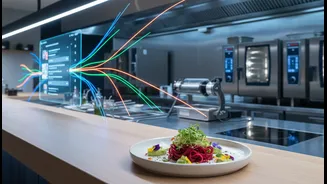
Smart operators in India are learning to navigate this tension rather than fight it. Instead of overhauling their core menu, many are using strategic adaptations. Limited-Time Offers (LTOs) are a popular tool, allowing restaurants to capitalise on a trend without long-term commitment. These offerings can act as a powerful customer acquisition tool, drawing in curious diners who then explore the permanent menu. Smaller, independent cafes and agile cloud kitchens are often better positioned to move quickly. Some businesses treat viral items as gateways, using a popular matcha latte or Korean sandwich to introduce customers to less familiar parts of their cuisine. Ultimately, success lies in using trends as a tactical lever for growth, not as the entire foundation of the business.