




Onions & Tomatoes: The Political Vegetables
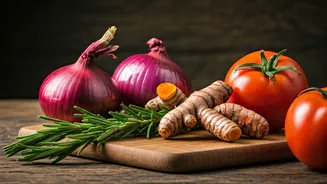
You’ve surely felt it in your wallet. One month, onions are affordable; the next, their prices bring tears to your eyes even before you start chopping. In India, the prices of onions and tomatoes are more than just market data; they are potent economic
and political indicators. These kitchen essentials are prone to dramatic price swings due to their short shelf life, seasonal production cycles, and sensitivity to weather events like unseasonal rains or heatwaves. When a poor harvest leads to a supply crunch, prices skyrocket, impacting household budgets across the nation. This volatility often becomes front-page news, fueling public debate and even influencing election outcomes. Politicians are often judged on their ability to control food inflation, making these humble vegetables a powerful barometer of the government's performance and the health of the agricultural economy. So, the next time you hear a debate about tomato prices, know that it’s about much more than just your chutney.
Turmeric: Beyond Grandma’s Wisdom
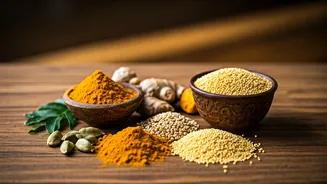
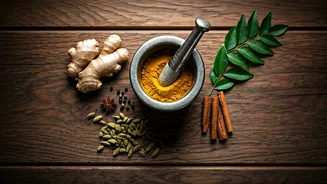
For generations, a pinch of haldi has been the go-to remedy for everything from colds to cuts. We’ve always known it’s good for us, but now, global science is catching up and getting specific. The active compound, curcumin, is the subject of thousands of scientific studies exploring its anti-inflammatory and antioxidant properties. However, the headlines are no longer just about its benefits. The new focus is on bioavailability—how much curcumin our body can actually absorb and use. Researchers are finding that on its own, curcumin is poorly absorbed. This has led to a new wave of interest in traditional practices, like pairing turmeric with black pepper (which contains piperine) or consuming it with fats like ghee, both of which are now scientifically shown to dramatically boost absorption. The conversation has shifted from a simple 'turmeric is healthy' to a more nuanced discussion about how to unlock its full potential, turning ancient kitchen wisdom into a modern scientific pursuit.
Ghee: The Great Reputational Comeback
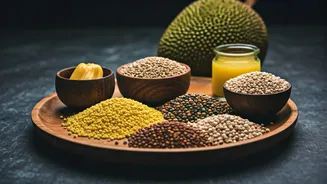
Not long ago, ghee was on the nutritional blacklist, viewed by many as an unhealthy saturated fat to be avoided. It was replaced in many modern Indian kitchens by refined vegetable oils. But in a remarkable turnaround, desi ghee is now celebrated as a ‘superfood’ in wellness circles, both in India and across the world. What changed? A growing body of research has begun to challenge old beliefs about saturated fats, while highlighting ghee's unique properties. It's rich in fat-soluble vitamins like A, D, and E, and contains butyric acid, a short-chain fatty acid that is beneficial for gut health. This nutritional shift, combined with a renewed cultural appreciation for traditional Indian foods, has propelled ghee back into the limelight. From keto diets to celebrity wellness routines, ghee is now a premium product, a symbol of a return to culinary roots and holistic health.
Millets: The Future-Proof Super Grains
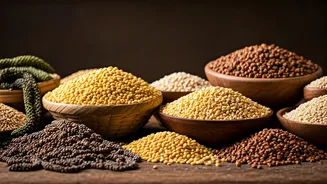
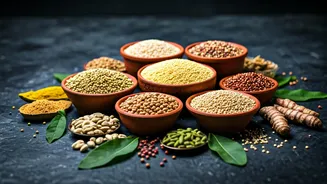
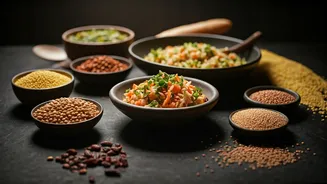
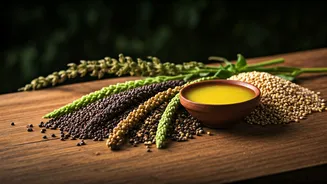
Jowar, bajra, and ragi were once staple foods in many parts of India before being overshadowed by wheat and rice. Today, these ancient grains are making a massive comeback, thanks to a major push from the Indian government and global recognition from the United Nations, which declared 2023 the International Year of Millets. Why the sudden fame? Millets are being hailed as 'super grains' for good reason. They are highly nutritious, packed with protein, fibre, and micronutrients. More importantly, they are incredibly resilient crops. They require significantly less water than rice or wheat, can grow in arid conditions, and are naturally pest-resistant, making them a smart, climate-friendly choice for ensuring food security in a warming world. This combination of health benefits and environmental sustainability has put millets on menus in trendy cafes and at the centre of national policy, transforming them from a humble, forgotten grain into a star player in the future of food.