




The Foundation: Transformer Furniture
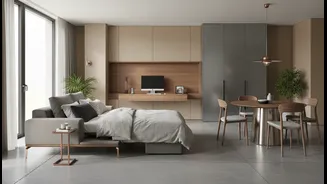
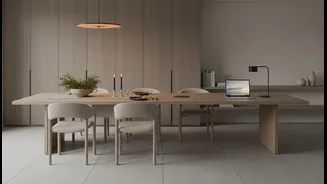
The key to a successful dual-purpose room is furniture that adapts. Look for pieces that can change function with minimal effort. An extendable dining table is a classic choice, offering a compact surface for daily use that can grow to accommodate guests.
Some modern tables even feature lift-top mechanisms, converting a low coffee table into a comfortable work desk or dining surface. For truly tight spaces, a wall-mounted foldable desk or a Murphy table that folds away into a slim cabinet can be a game-changer, freeing up floor space entirely when not in use. Seating should also be versatile. An upholstered bench can offer storage within and be easier to tuck away than multiple chairs. Stackable chairs are another great option that can be stored out of sight after dinner.
Lighting the Mood: From Task to Ambience
Lighting is one of the most effective tools for defining a room's function and mood. For workday focus, bright, clear task lighting is essential. A stylish desk lamp on the table or an adjustable floor lamp can provide focused light for your work. When it’s time to dine, this direct light should give way to warmer, more ambient illumination. A statement pendant light or chandelier hanging over the table is perfect for this, but it must be on a dimmer switch. Dimmers are non-negotiable in a multi-use space, allowing you to instantly shift from a bright, functional workspace to a soft, intimate dining atmosphere. Layering your light with wall sconces or buffet lamps can add extra warmth and prevent the room from feeling flat.
The Great Disappearing Act: Smart Storage
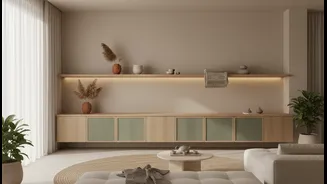
A cluttered workspace does not make for a relaxing dining environment. The ability to quickly hide work-related items is crucial. Furniture with integrated storage is your best friend. A credenza or sideboard is perfect for stashing away laptops, notebooks, and chargers. If you lack space for a large furniture piece, think vertically. Floating shelves or wall-mounted cabinets can hold documents and supplies without taking up floor space. Rolling storage carts are another flexible solution; they can be wheeled to your side during work hours and then tucked away in a closet or corner afterward. For smaller items like pens and paperclips, use decorative boxes or baskets that look like intentional decor on a shelf.
Creating Zones Without Walls
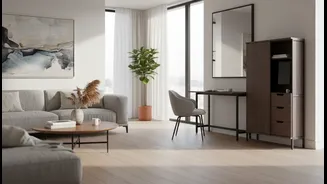
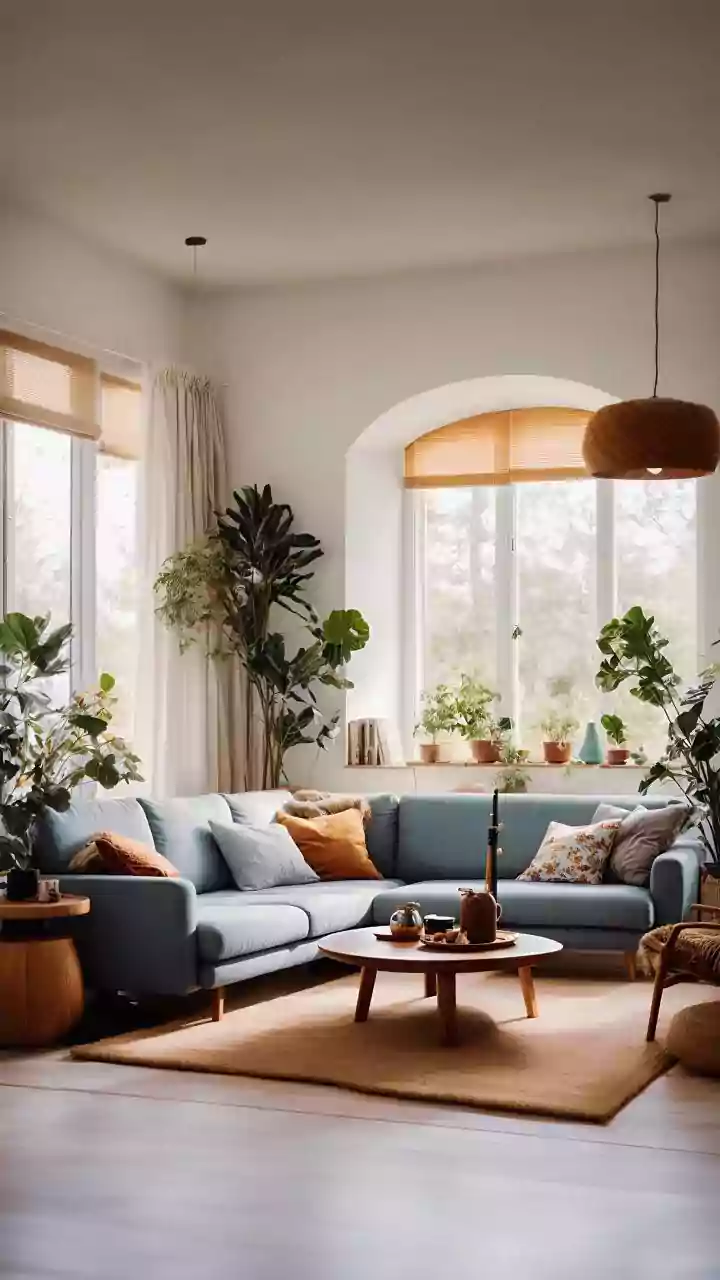
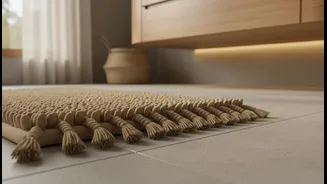
Even in a single room, you can create the illusion of separate zones. An area rug is one of the simplest ways to do this. Placing a large rug under the dining table and chairs visually anchors the space, defining it as the dining zone. Furniture placement can also create subtle divisions. A low-profile bookshelf or a console table can act as a soft barrier, separating the primary function of the room from another area. This helps your brain switch modes, signaling that one part of the room is for work, while the other is for relaxation and socializing. The key is to create these boundaries without blocking light or flow, which would make the room feel smaller and more cramped.
The Final Switch: Quick-Change Accessories
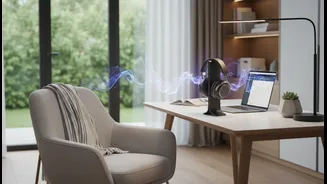
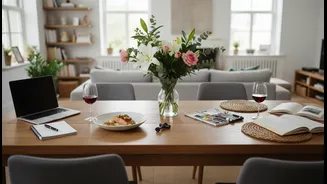
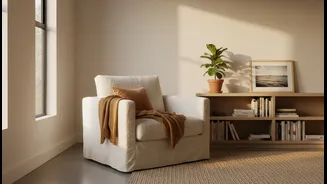
The final step in the daily transformation is swapping out accessories. This five-minute routine solidifies the room's new identity. At the end of the workday, replace your laptop and desk blotter with a table runner and a floral centerpiece or a bowl of fruit. If your work chair is overly corporate, consider an upholstered accent chair that can serve as a comfortable desk chair but also look elegant at the head of the dining table. Keep two sets of accessories handy: one for your office setup (pen holders, notepads) and one for dining (placemats, candles). Storing the off-duty items in a nearby cabinet or drawer makes the transition quick and painless, ensuring the room always feels ready for its next role.