





Why August Travel is Suddenly More Expensive
A combination of factors is driving up travel costs for Indian consumers this August. Hoteliers are reporting a brisk season for the Independence Day long weekend, with rates for leisure properties projected to rise by 10-20% compared to last year. This
is driven by sustained demand from corporate professionals and travellers from nearby regions heading to popular destinations. This price hike isn't limited to hotels. Earlier in the year, tourism experts had already warned that domestic tour packages could become 10-12% more expensive due to rising fuel prices, which directly impact airfares, transport, and hotel operational costs. While August is typically part of the monsoon off-season, which often brings lower prices, this year sustained demand around long weekends is keeping rates firm. For international travel, a weaker rupee, volatile fuel costs, and global supply chain disruptions have also contributed to higher airfares throughout 2026.
The Golden Rule: Prioritise Refundable Bookings
In a market with rising prices and high demand, flexibility is your best protection. Before you click 'book', your first priority should be to scrutinise the cancellation and refund policy. A booking that seems cheap initially can become a costly mistake if your plans change. Distinguishing between different types of flexible bookings is key. A 'fully refundable' ticket is the gold standard, meaning you can get your money back. However, many bookings are only 'partially refundable' or offer 'free cancellation' only up to a specific date, after which you could be charged for the first night or the entire stay. Other 'flexible' fares might not offer a cash refund at all, instead providing a credit shell for future travel, which ties your money to that specific airline or hotel.
Decoding India's New Air Ticket Refund Rules
Fortunately for consumers in India, recent changes by the Directorate General of Civil Aviation (DGCA) have made the refund process more transparent. As of March 2026, new rules are in effect to protect passengers. A key feature is the 48-hour 'look-in' option, which allows you to cancel or amend a ticket within two days of booking without cancellation fees, though you may have to pay any fare difference for a new flight. The rules also mandate specific timelines for refunds: within seven days for credit card payments and immediately for cash transactions. Crucially, the airline holds the ultimate responsibility for the refund, even if you booked through a travel agent or online portal, with a deadline of 14 working days for such transactions.
Smart Steps to Secure Your Travel Investment
Navigating the complexities of travel booking requires a strategic approach. First, always read the fine print. Pay close attention to cancellation deadlines, making sure to note the applicable time zone, as missing the window by minutes can result in a full charge. When booking flights, it's often easier to manage refund requests when you book directly with the airline. Similarly, for hotels, check if 'pay at property' truly means free cancellation or if a credit card guarantee still makes you liable for charges. Another layer of protection comes from travel insurance. However, don't assume it covers every scenario. Standard policies often don't cover voluntary cancellations or a simple change of mind. For that level of flexibility, you would need a more expensive 'cancel for any reason' policy, which typically must be purchased shortly after your initial booking.
Are There Cheaper, More Flexible Alternatives?
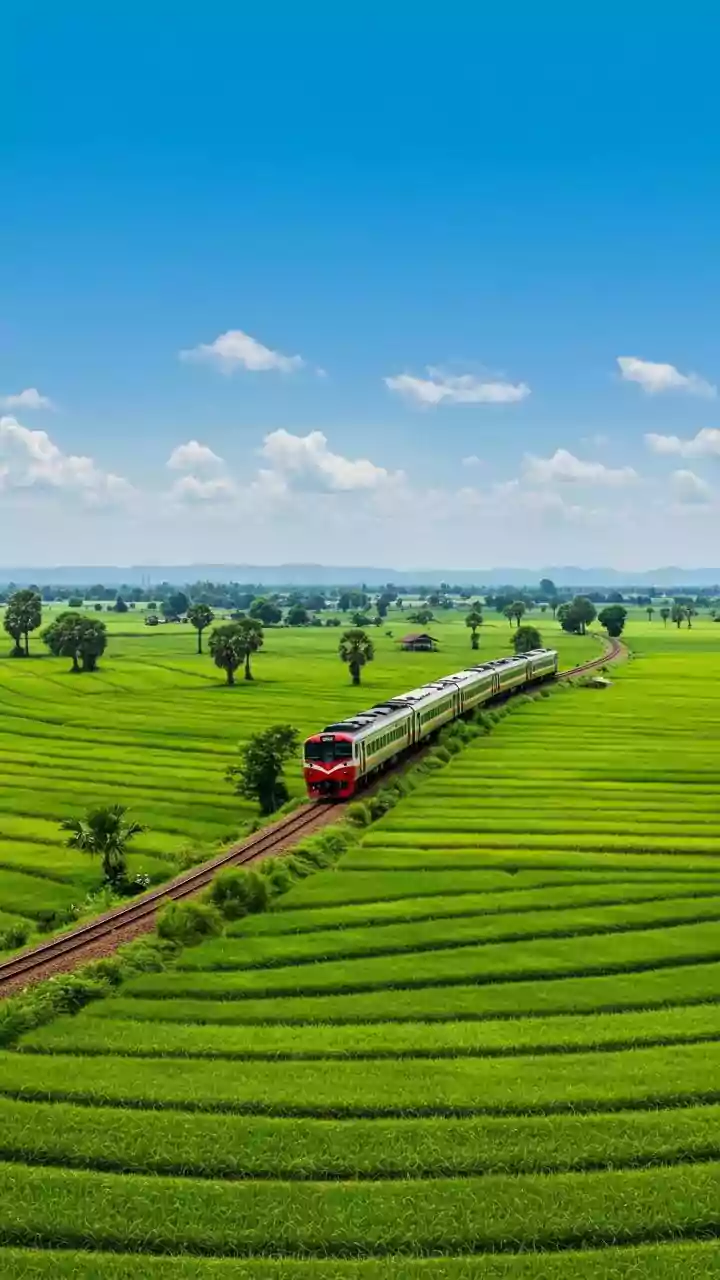
If the rising costs and strict policies of mid-August travel seem daunting, consider shifting your plans. Travel demand often drops slightly after the main summer rush, making late August and September a 'shoulder season' with potentially lower prices and fewer crowds. While popular destinations around the Independence Day weekend are seeing price hikes, other locations can offer better value. August is part of the monsoon off-season in places like Goa, where budget guesthouses can be found at lower rates than during the peak winter season. Similarly, destinations in Rajasthan and the North East become particularly lush and beautiful during the monsoon, and hotels often drop their rates by 30-50% to attract travellers.