



The Unseen Risk: The Temperature Danger Zone
The biggest threat to your packed lunch is something you can't see: the rapid growth of bacteria. Most harmful bacteria thrive in what food safety experts call the 'temperature danger zone'—a range between 5°C and 60°C. When your tiffin sits on your desk
or in your bag for a few hours, its temperature likely falls right into this zone. In this range, bacteria like E. coli and Salmonella can double in number in as little as 20 minutes. This is particularly concerning for common tiffin foods like cooked rice, dal, paneer dishes, and anything containing meat or eggs, which are ideal breeding grounds for these microbes. The Indian climate often accelerates this process, meaning food can become unsafe faster than you might think.
Your Container: Why Material Matters
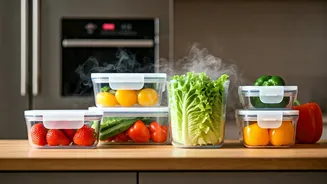
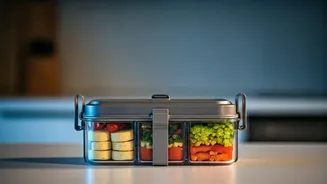
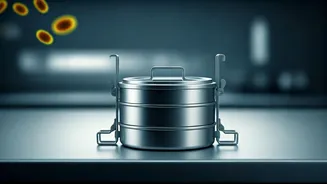
Not all tiffin boxes are created equal when it comes to safety. While plastic is lightweight, it can absorb odours, stain easily, and lower-quality plastics may contain harmful chemicals like BPA that can leach into your food. Food-grade stainless steel is widely considered one of the safest and most durable options. It is non-leaching, doesn't retain stains or smells, is easy to clean thoroughly, and is incredibly durable. Glass is another excellent, non-reactive choice, especially for reheating, but its weight and breakability can be a drawback for a daily commute. For a truly safe filter, investing in a high-quality stainless steel or borosilicate glass container with an airtight lid is the first and most important step.
Mastering Temperature: Keeping Hot Food Hot and Cold Food Cold
The simplest rule of food safety is to keep hot foods hot (above 60°C) and cold foods cold (below 5°C). If you don't have access to a reliable office refrigerator, an insulated lunch bag is essential. For cold items like curd, salads, or raita, always pack them with a frozen gel pack or even a frozen water bottle to keep the temperature down. For hot foods, using a vacuum-insulated tiffin can help retain heat for several hours. A key tip is to let very hot food cool down slightly before sealing the container to prevent steam and condensation, which create a moist environment perfect for bacterial growth. A general rule is that perishable food shouldn't be left out for more than two hours, and only one hour if the temperature is high.
Smarter Packing for Indian Cuisine
The way you pack can make a significant difference. Always pack wet and dry items in separate containers to prevent sogginess and spoilage. Cooked rice is a particular area of concern as it can harbour a bacteria called Bacillus cereus, whose spores can survive cooking and multiply at room temperature. It’s best to cool rice quickly and refrigerate it before packing. When packing your tiffin, consider foods that travel better in the heat. Dry sabzis like bhindi fry or aloo jeera, and rice varieties like lemon or tamarind rice, are generally safer bets than creamy, coconut-based curries. If packing rotis or parathas, wrapping them in foil or butter paper instead of plastic can help reduce moisture buildup.
The Reheating Rulebook
If you have a microwave at the office, use it correctly. Reheating isn't just about making your food warm; it's about killing any bacteria that may have started to grow. You should reheat food until it is steaming hot throughout, reaching an internal temperature of at least 75°C. Stir the food midway through to ensure it heats evenly and there are no cold spots where bacteria can survive. Never trust the smell test alone; some harmful bacteria don't produce a noticeable odour even when present in dangerous amounts. If your lunch has been sitting out for an extended period or you have any doubts about its safety, it's always better to be cautious and discard it.