



What Exactly Is Changing?
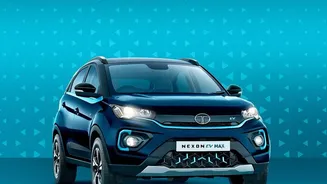
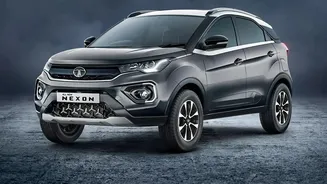
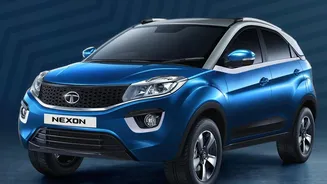
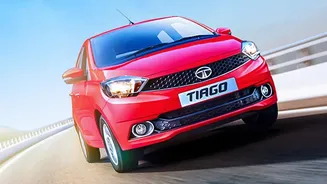
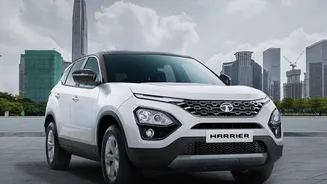
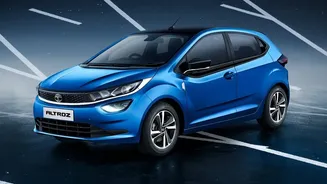
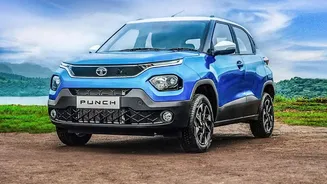
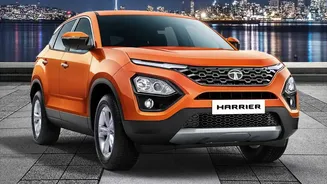
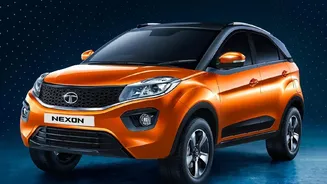
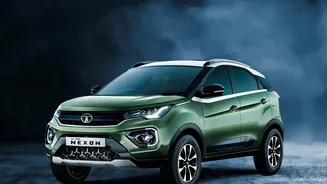
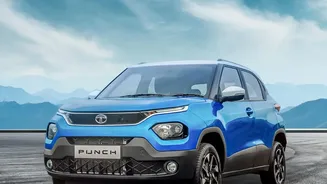
Tata Motors announced that effective September 1, 2026, prices across its passenger vehicle portfolio will increase by up to ₹25,000. This hike applies to its entire range, including internal combustion engine (ICE) models like the Nexon and Punch, as well
as its popular electric vehicles (EVs). The company has clarified that this is not a flat increase; the exact amount will vary depending on the specific model and variant. This is the third time Tata Motors has raised prices in 2026, following hikes in April and July, signaling persistent cost pressures on the automaker.
The Primary Driver: Rising Input Costs
The main reason cited by Tata Motors for this decision is the relentless rise in input costs. This is a challenge affecting the entire Indian auto industry, not just Tata. Automakers are dealing with higher prices for essential raw materials like steel, aluminium, and copper. Furthermore, sustained inflationary pressures and geopolitical uncertainties, including conflicts in the Middle East, have driven up energy prices and added to operational expenses, creating a difficult environment for manufacturers. Tata has stated that while it is absorbing a significant portion of these increased costs, a part of the burden must be passed on to customers to protect its operational margins.
An Industry-Wide Trend
Tata Motors is not acting in isolation. This move is part of a broader trend in the Indian automotive market. Market leader Maruti Suzuki and competitor Hyundai have also announced price increases in recent months for the same reasons. Hyundai announced its own price hike of up to 1% effective from September 2026, citing rising commodity costs and operational expenses. This coordinated movement by major carmakers suggests that these cost pressures are substantial and widespread. Automakers are trying to balance the need to offset costs with the desire to maintain sales momentum in a competitive market.
How Could Buyers Respond?
For prospective car buyers, this news can be disheartening, but it doesn't mean you are out of options. The immediate reaction for some might be to finalise their purchase before the September 1 deadline to lock in the current prices. If you had planned to buy a Tata vehicle, acting quickly could save you a significant amount, depending on the model. This hike could also prompt buyers to reconsider their choices. Some may look at different variants within the Tata lineup that are less affected by the price increase, while others might start comparing prices more aggressively with rival brands that may not have revised their prices as steeply.
Smart Strategies for a Price-Hike Market
Beyond rushing a purchase, there are other strategies to consider. One is to look for festive season deals or year-end discounts that dealers often roll out to clear inventory. These offers can sometimes offset the impact of a price hike. Another increasingly popular option is the pre-owned car market. With new car prices consistently on the rise, the used car segment is becoming a more attractive alternative, offering the chance to own a higher-segment or better-equipped vehicle for a lower price. Finally, buyers can engage with dealerships to see if any unregistered stock from before the price hike is available. While not always possible, it is worth exploring all avenues to secure the best possible deal.