






Why High-Impact Can Hurt
For someone new to exercise, jumping straight into high-impact activities like running or intense aerobics can be a shock to the system. These exercises involve movements where both feet leave the ground, and the landing creates a jarring force that travels
up through your joints. For beginners, whose supporting muscles around the knees may not be strong yet, this repetitive stress can lead to inflammation, pain, and potential injury, derailing fitness goals before they even get started. It's a common reason many people give up, believing that exercise and pain are inseparable.
The Low-Impact Advantage
Low-impact cardio is any form of aerobic exercise that raises your heart rate while minimizing stress on your joints. With these activities, one foot typically stays on the ground at all times, or your body is supported by equipment or water. This gentler approach allows beginners to build cardiovascular endurance, strengthen their heart and lungs, and improve circulation without the punishing impact. It strengthens the muscles around the joints, improves flexibility, and helps circulate synovial fluid, which lubricates the joints and reduces friction. This makes your fitness journey sustainable and pain-free.
Swimming: The Ultimate Joint-Saver
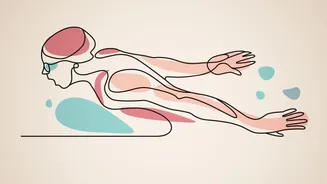
Swimming is often considered the gold standard of low-impact exercise. The natural buoyancy of water supports your body weight, effectively removing almost all stress from your knees, hips, and spine. This makes it an ideal workout for beginners or anyone with existing joint concerns. More than just being gentle, swimming provides a full-body workout, engaging your arms, legs, back, and core simultaneously. This comprehensive muscle engagement means it's incredibly efficient at burning calories and building stamina. Even water aerobics or simply walking in the water can provide significant cardiovascular benefits.
Cycling: Power Without Pounding
Whether you're on a stationary bike at the gym or cycling outdoors, this activity is another fantastic way to get your heart pumping without stressing your knees. Cycling is a non-weight-bearing exercise for the most part, as the seat supports your body weight, taking the pressure off your lower-body joints. It's particularly effective at strengthening the quadriceps and hamstrings, the major muscles that support and stabilize the knee joint. Stationary bikes offer a controlled environment where you can easily adjust resistance to increase intensity, while outdoor cycling adds the mental health benefit of fresh air and changing scenery.
The Elliptical: Smooth and Steady
The elliptical trainer is a gym staple designed specifically for low-impact cardio. Your feet remain on the pedals in a continuous, gliding motion that mimics running but without any of the jarring impact. This makes it an excellent choice for beginners who want to build their running endurance without the associated knee strain. Most ellipticals feature moving handlebars, which allow you to engage your upper body for a full-body workout. By pushing and pulling the handles, you activate your chest, back, and arms, increasing the overall calorie burn and improving cardiovascular fitness even more efficiently.
Brisk Walking: Simple and Effective
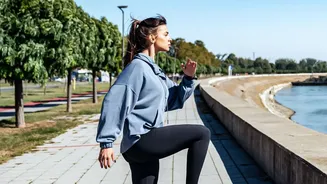
Never underestimate the power of walking. It is the most accessible form of low-impact exercise and, when done correctly, is highly effective for improving heart health. A brisk walk, where your heart rate is elevated but you can still hold a conversation, is a great starting point for any beginner. It's gentle on the joints and requires nothing more than a good pair of supportive shoes. To be effective, focus on maintaining a steady, challenging pace on a level surface. As your stamina improves, you can gradually increase your speed or the duration of your walks to continue challenging your cardiovascular system.