







The Illusion of Journey Time
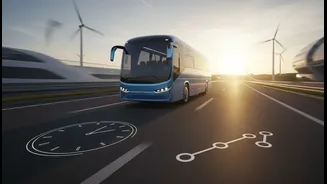
The most common mistake travellers make is comparing the listed journey time of a flight to that of a train or bus. A two-hour flight rarely means a two-hour trip. Factor in the travel time to the airport, which is often on the city's outskirts, a mandatory
check-in and security buffer of 90 minutes, and another 30 minutes for baggage claim and exiting. Suddenly, a two-hour flight becomes a five-hour door-to-door affair. In contrast, railway stations are typically centrally located, requiring less commute time. For distances under 600 kilometres, a daytime or overnight train can be surprisingly competitive. For a route like Delhi to Chandigarh, a Shatabdi Express train takes roughly 3.5 hours, which is nearly equivalent to the total time spent for a one-hour flight.
Why Stops Matter More Than You Think
The number of stops directly impacts both your travel time and comfort. While express trains like the Vande Bharat offer rapid, limited-stop journeys between major cities, other long-distance trains and almost all intercity buses make multiple halts. These stops add up, extending the journey and potentially causing delays. For bus journeys, stops can also mean unpredictable breaks at highway rest areas with varying levels of hygiene. When booking, look for “non-stop” or “limited stop” services. For buses, premium operators often have dedicated and cleaner rest stops, which can significantly improve the overall experience. More stops also mean more passenger turnover, which can be disruptive, especially on an overnight sleeper bus.
Decoding Cancellation Policies
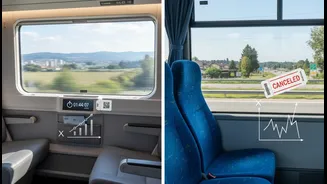
Unexpected changes are a part of travel, and this is where cancellation policies become critical. Airlines, railways, and bus operators have vastly different rules. Airlines typically offer the least flexibility, with non-refundable basic economy fares and significant charges for changes. Intercity bus operators can be more lenient, with some offering full refunds or easy rescheduling if done well in advance. Indian Railways has recently updated its rules, rewarding those who cancel early. For a confirmed ticket, cancellations made more than 72 hours before departure incur only a minimal flat fee. However, if you cancel within eight hours of departure, you get no refund at all. Always read the fine print before booking, as these policies can save you from losing your entire fare if plans change.
The Clean Mobility Angle
For the growing number of environmentally conscious travellers, the choice of transport has a real impact. Clean mobility in India is about shifting away from fossil fuels towards more energy-efficient options. In the intercity context, trains are generally the most sustainable choice, carrying a vast number of passengers with a lower carbon footprint per person compared to flying. Road transport contributes significantly to emissions, but the rise of electric buses on certain routes is a promising development. A flight, especially on a short-haul route, is by far the most carbon-intensive option. By choosing a train over a flight for a medium-distance journey, travellers not only save money but also make a significant contribution to reducing their environmental impact, aligning personal choices with India's push for cleaner transportation.
Avoiding Common Traveller Traps
Beyond these three pillars, a few other common mistakes can derail your journey. Underestimating India's scale is a classic error; what looks like a short drive on a map can take hours due to road conditions and traffic. It is crucial to build buffers into your schedule. Another trap is booking tickets without considering last-mile connectivity. Arriving at a remote railway station late at night without pre-arranged transport can be stressful and unsafe. Finally, especially during peak holiday seasons, not booking in advance is a major pitfall. Train tickets on popular routes get sold out weeks ahead. While buses offer more last-minute flexibility, planning ahead almost always results in a smoother, more cost-effective, and less stressful travel experience.