


The Kitchen You Can't Visit
They go by many names—ghost kitchens, cloud kitchens, or dark kitchens—but the concept is simple: a professional cooking facility set up exclusively for delivery. With no storefront, no seating, and no service staff, these kitchens drastically reduce
the overhead costs that often crush new restaurant ventures. This lean business model has become a game-changer, creating opportunities for culinary entrepreneurs who lack the heavy capital for a traditional restaurant but possess a wealth of unique recipes. For many Indigenous chefs and entrepreneurs, this model has opened a direct channel to bring the authentic tastes of their communities to a curious urban audience, one delivery at a time.
A Renaissance of Regional Flavours
For years, the immense diversity of India's tribal cuisine remained largely unknown in metropolitan areas. Dishes from Jharkhand, Nagaland, Meghalaya, and other states were seen as niche, with ingredients that were hard to source and flavours unfamiliar to the mainstream palate. Entrepreneurs faced the dual challenge of high city rents and a lack of market awareness. Today, the cloud kitchen model sidesteps these barriers. It allows chefs to start small, test the market, and build a following based purely on the quality and uniqueness of their food. Initiatives are springing up, from home-based services on WhatsApp to dedicated delivery kitchens on platforms like Swiggy, all focused on celebrating their culinary heritage.
From Forest to Food App
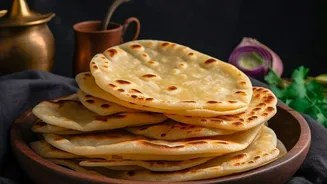
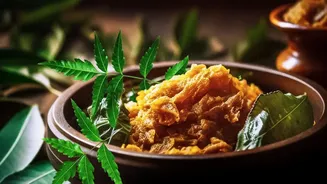
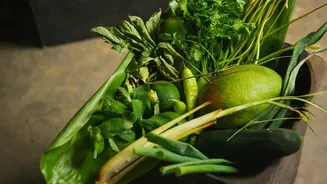
The menus surfacing from these kitchens are a journey into India’s rich biodiversity. In cities like Ranchi, entrepreneurs from the Oraon and Santhal tribes are popularising dishes like 'chilka roti' (a delicate rice flour crepe) and preparations using seasonal flowers like 'jirhul' and 'kudrum'. Meanwhile, the smoky, robust flavours of the Northeast are finding fans in Delhi, Mumbai, and Bengaluru. Naga cuisine, with its signature smoked pork, fiery Bhut Jolokia chillies, and fermented soybean 'axone', is being served through delivery brands like Naga Pantry and Naga Belly. Ingredients once foraged from forests, such as bamboo shoots, wild mushrooms, and black rice, are now the stars of dishes delivered to urban apartments, offering a taste that is both ancient and thrillingly new.
More Than Just a Meal
This culinary movement is about far more than just food. For many Indigenous communities, sharing their cuisine is an act of cultural reclamation and pride. Entrepreneurs like Aruna Tirkey, founder of Ajam Emba in Ranchi, see their work as a way to challenge misconceptions and give tribal traditions the respect they deserve. She notes that what was once seen as the food of poverty is now being celebrated for its unique flavours and nutritional value. These ventures are also creating vital economic links, sourcing ingredients directly from farmers and foragers in their home regions, ensuring that the benefits of this newfound popularity are shared with the community. It’s a sustainable model that preserves recipes, supports livelihoods, and tells the story of a people through its food.
An Appetite for Authenticity
So why are urban diners so receptive to these unfamiliar flavours? The trend taps into a growing desire for authenticity and unique experiences. Modern consumers are moving beyond generic curries, seeking out food with a story and a sense of place. Many tribal dishes are inherently healthy, relying on fresh, seasonal, and often organic ingredients, with cooking methods like steaming and smoking that use little to no oil. This aligns perfectly with contemporary wellness trends. Ultimately, the rise of Indigenous food through dark kitchens is a win-win: it provides a low-risk platform for cultural preservation and entrepreneurship while satisfying the modern urban palate's craving for adventure.