






The Psychology of the Digital Rupee
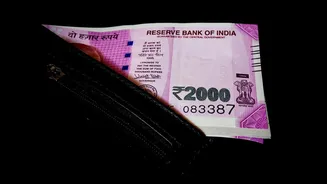
Before diving into solutions, it is crucial to understand why controlling UPI spends is so difficult. Digital payments are psychologically 'frictionless'. When you hand over a crisp ₹100 note, your brain registers a tangible loss. When you scan a QR code,
the transaction is abstract and feels almost free. This reduced 'pain of paying' makes it incredibly easy to spend without thinking. Small amounts like ₹20 for a coffee or ₹50 for a snack don't trigger our internal financial alarm bells. But dozens of these micro-transactions can accumulate into thousands of rupees by the end of the month, a phenomenon many now call 'UPI leakage'. This isn't a security issue, but a slow, often unnoticed drain on your income caused by the sheer convenience of instant payments.
Step 1: Conduct a Spending Audit
The first step to plugging the leak is to see how big it is. You cannot control what you do not measure. Set aside 30 minutes and go through your UPI app's transaction history for the past month. Don't just skim; look at every single payment. You can export this statement or simply scroll through. Manually categorise each expense into buckets like 'Food Delivery', 'Groceries', 'Transport', 'Snacks & Chai', and 'Shopping'. Seeing the consolidated total for each category is often a shocking and powerful wake-up call. Many people discover they are spending thousands on discretionary items they barely remember purchasing. This audit provides the baseline data you need to build a realistic plan.
Step 2: Create a Dedicated ‘Spending’ Account
One of the most effective strategies is to create a barrier between your main salary account and your daily spending. Never link your primary savings or salary account to your most-used UPI apps. Instead, open a separate, perhaps digital-only, zero-balance savings account. At the beginning of each month, calculate a realistic budget for all your discretionary UPI spending—things like eating out, entertainment, and impulse buys. Transfer only this fixed amount into your new 'spending account'. Link your UPI apps to this account. Once the balance runs out, your spending is forced to stop. This method recreates the scarcity of a physical wallet, making your budget tangible and self-enforcing.
Step 3: Leverage Budgeting and Tracking Apps
Use technology to fight the pitfalls of technology. While a manual audit is a great start, automated tools can provide real-time insights. Several expense-tracking apps available in India are designed specifically to work with UPI. Apps like Moneyview, Jupiter, and FinArt can automatically categorise your spending by reading transaction alerts or integrating with your accounts, providing you with daily and monthly reports. These apps visualise where your money is going, helping you spot problematic patterns instantly. Even some native banking and UPI apps are starting to offer built-in spending analytics. The key is to find a tool that makes tracking effortless, so it becomes a consistent habit.
Step 4: Adopt the 'Pay-Yourself-First' Tactic, Digitally
Reverse the flow of money. Instead of saving what is left after spending, spend what is left after saving. The moment your salary is credited, automate transfers to your investment and savings accounts (like SIPs, PPF, or emergency funds). What remains in your primary account is your true operational budget for the month. From this, you can then fund your dedicated UPI spending account. Another powerful psychological trick is the 'spending tax'. For every discretionary 'want' you purchase via UPI—like a fancy coffee or a gadget—transfer an equal or a certain percentage of that amount into a savings goal account. This creates positive friction and makes you more mindful of impulse buys.
Step 5: Introduce 'Good Friction' into Your Habits
Convenience is the enemy of budgeting. To counter this, introduce small, intentional hurdles. For non-essential purchases, enforce a 24-hour waiting period. If you still want the item a day later, then you can buy it. This simple delay helps differentiate between a fleeting impulse and a genuine want. Another method is to set daily or per-transaction spending limits within your banking app, a feature most major banks now offer. Lowering this limit can prevent you from making a large, unplanned purchase on a whim. Finally, for categories where you consistently overspend, consider reverting to cash. Using a physical cash envelope for your 'fun money' makes the spending real again.