






A Cultural Moment, A Commercial Surge
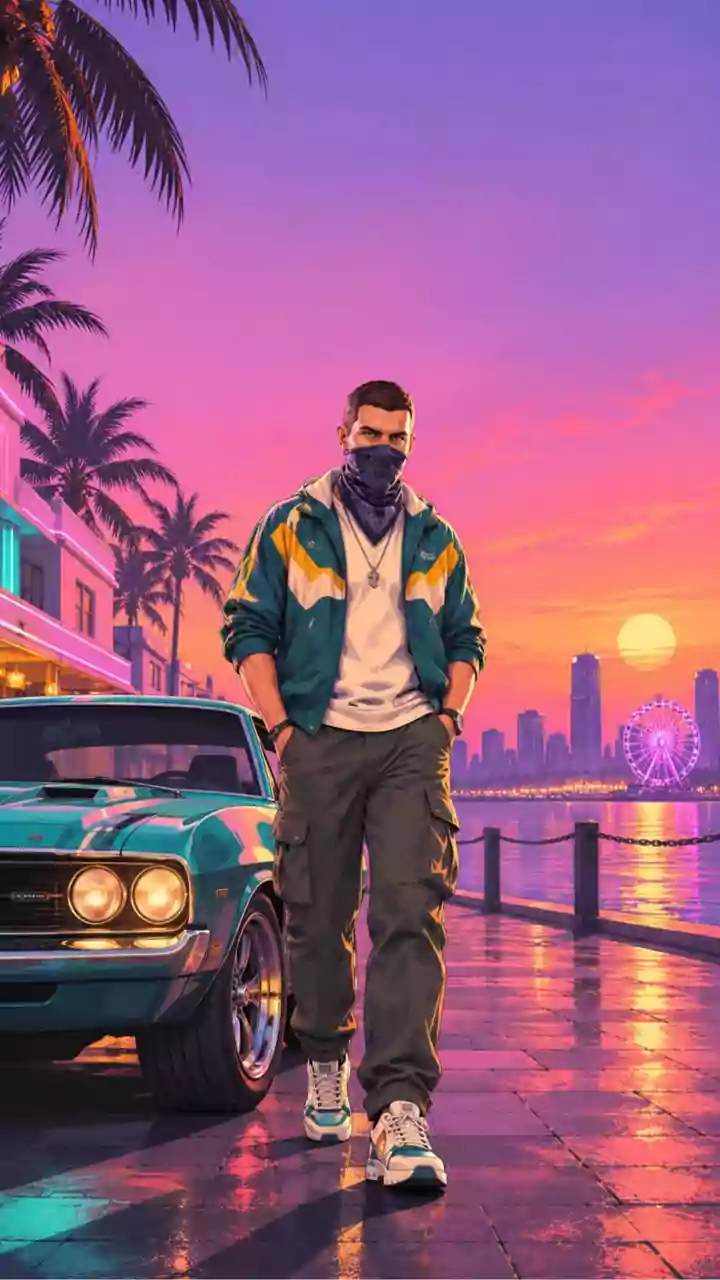
The release of Rockstar Games' 'Grand Theft Auto VI' on November 19 was more than just a gaming event; it was a global cultural phenomenon years in the making. Anticipation was so high that an estimated 1.5 million people in the US alone were expected
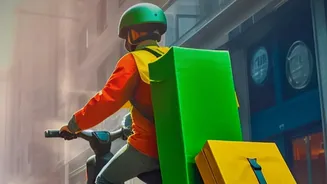
to take time off work to play. But the economic impact rippled far beyond the gaming industry. As players across India and the world hunkered down for marathon sessions in the fictional world of Vice City, a secondary boom was quietly taking place in the real world. Meal delivery platforms experienced a dramatic and immediate increase in orders. Initial reports from industry analysts suggest that major players saw a double-digit percentage spike in late-night orders, with some estimating the game could drive tens of millions of extra app visits in its first month.
The Anatomy of a Gaming Binge
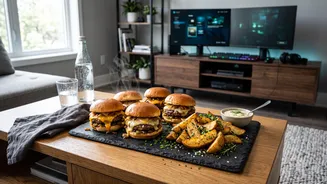
So, what exactly happens when a blockbuster game drops? Millions of dedicated fans intentionally clear their schedules, transforming their living rooms into dedicated gaming zones. Cooking becomes a distraction, and leaving the house is out of the question. This creates a massive, captive audience for convenience-on-demand. Data shows that on launch night, orders for classic comfort foods like pizza, burgers, and biryani skyrocketed. It wasn't just food; there were also notable increases in orders for energy drinks and even gaming accessories like controllers and HDMI cables from quick-commerce platforms. This behaviour highlights a fundamental shift: major entertainment releases are now powerful drivers for the stay-at-home economy. For a player deep into a multi-hour session, the ability to get a meal delivered without hitting pause is no longer a luxury, but an essential part of the experience.
A Familiar Playbook for Delivery Giants
This isn't the first time entertainment has fuelled delivery demand. Food delivery services in India, such as Zomato and Swiggy, have long seen spikes during major cultural moments like cricket matches and festive seasons. What makes the 'GTA VI' launch unique is its scale and duration. Unlike a three-hour match, a game like this commands sustained attention for days, if not weeks. Recognising this pattern, some food chains and delivery apps launched specific promotions to capitalise on the moment. For example, Popeyes introduced a limited-time 'Spice City' sandwich, a nod to the game's setting, encouraging players to order it 'between missions'. These campaigns demonstrate a growing synergy between the entertainment and service industries, where companies outside of gaming are learning to draft behind the immense hype of a billion-dollar release.
The New Intersection of Entertainment and Commerce
The 'GTA VI' launch effect is a powerful illustration of how intertwined our digital and physical lives have become. A single piece of entertainment can now predictably alter consumer spending habits on a massive scale. For delivery platforms, these events are becoming reliable, forecastable revenue spikes. For the game publishers, it's a testament to the deep engagement their products command, where players are willing to rearrange their lives and spending around a new release. This trend solidifies the video game industry, which is already larger than the film and music industries combined, as a central pillar of the modern economy. Its influence now extends far beyond the sale of the game itself, creating significant ripple effects for adjacent markets like food delivery, quick commerce, and even consumer electronics.