

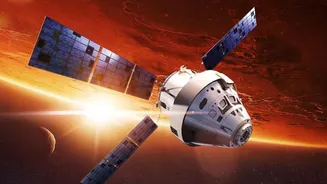


Venus: A Tale of Two Planets
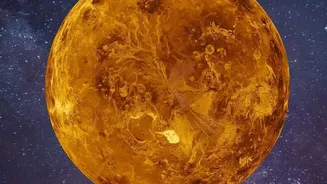
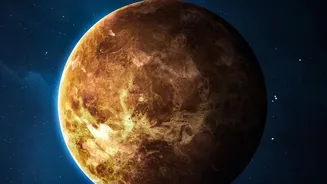
Venus and Earth are similar in size, mass, and composition, leading many to call them planetary twins. But that is where the similarities end. Venus is a terrestrial hellscape, boasting surface temperatures hot enough to melt lead—around 467 degrees Celsius—and
a crushing atmospheric pressure over 90 times that of Earth's at sea level. Its atmosphere is a thick, toxic blanket of carbon dioxide with dense clouds of sulfuric acid, creating a runaway greenhouse effect. Yet, this extreme environment holds vital clues about how a planet so like our own could have evolved so differently, a scientific puzzle that ISRO is uniquely positioning itself to solve.
Enter Shukrayaan: India’s Next Interplanetary Leap
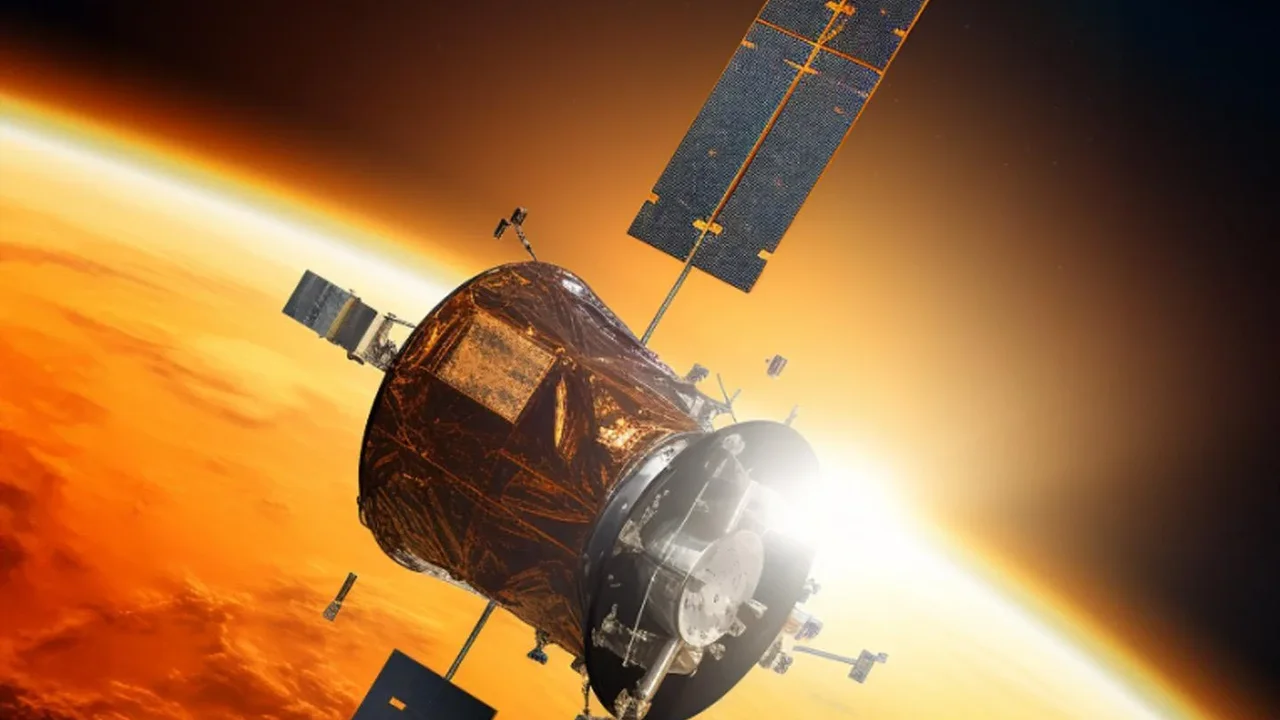
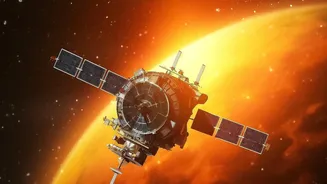
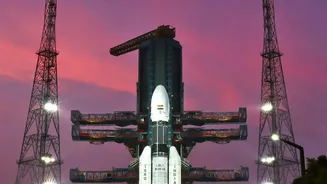
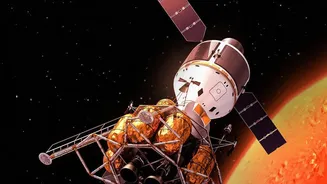
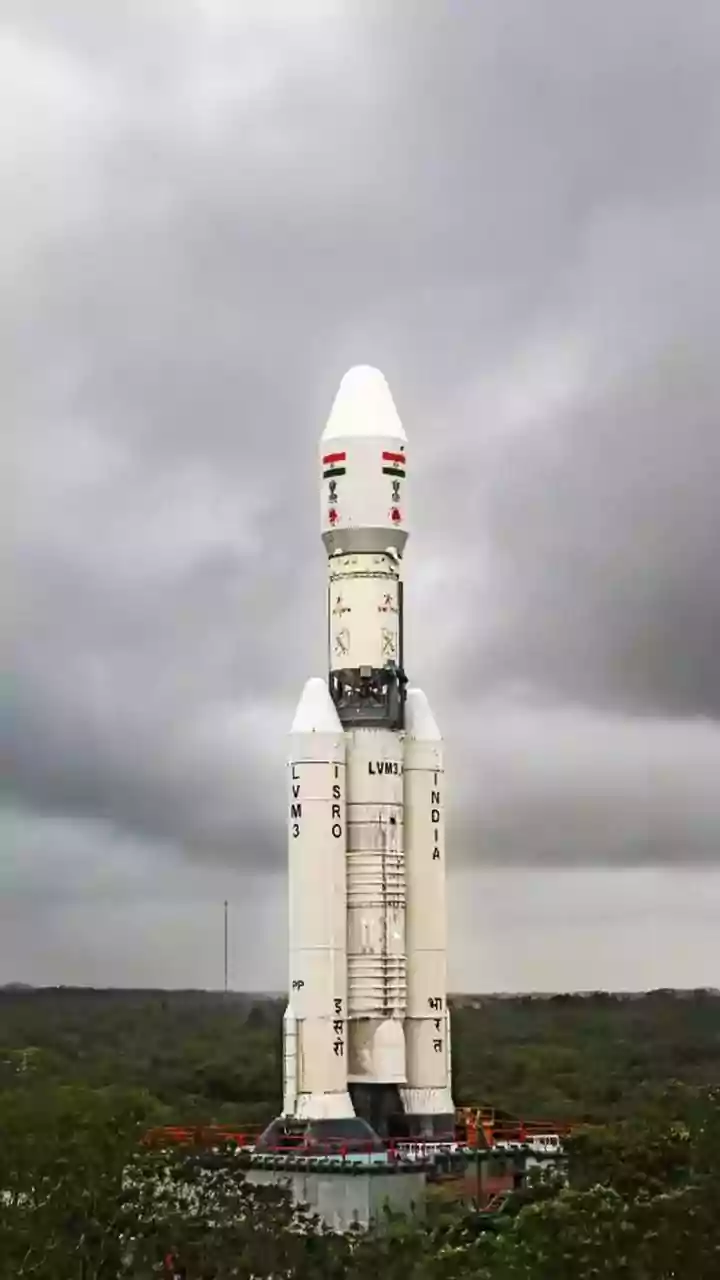
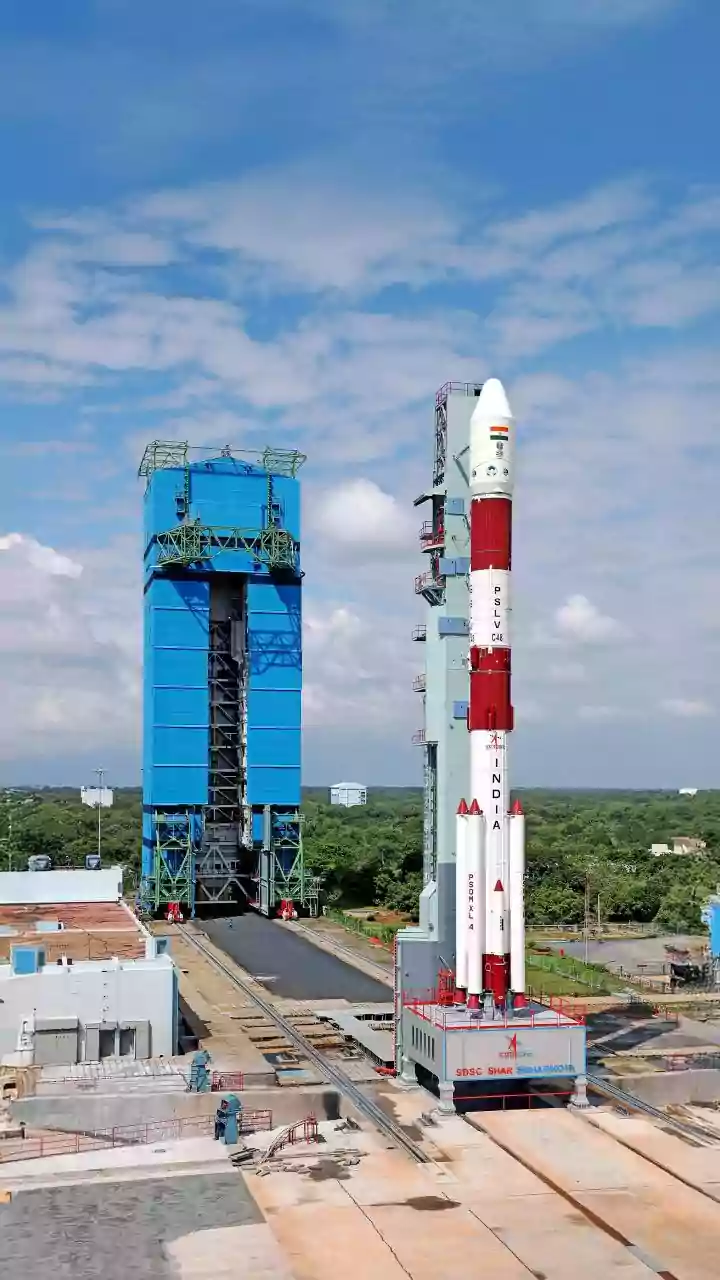
Building on the resounding successes of its Mars and Moon missions, the Indian Space Research Organisation (ISRO) is setting its sights on our other neighbour with the Shukrayaan-1 orbiter. This mission, India's first to Venus, represents a significant step forward in the nation's planetary exploration capabilities. Scheduled for launch in the coming years, the spacecraft is designed not to land, but to conduct a comprehensive, long-term study from a stable orbit. Its primary goal is to investigate the planet's surface, subsurface, and, most critically, the complex dynamics of its hostile atmosphere, a feat that has challenged space agencies for decades.
A New Generation of Scientific Eyes
To unravel the Venusian enigma, Shukrayaan-1 will be equipped with a powerful suite of indigenously developed and collaborative scientific instruments. A high-resolution Synthetic Aperture Radar (SAR) will peer through the dense cloud cover to map the surface in unprecedented detail, searching for signs of active volcanoes. For atmospheric analysis, a key instrument is the Venus Atmospheric SpectroPolarimeter (VASP), designed to study the cloud-top properties and global circulation. Other sensors will measure thermal emissions to understand atmospheric dynamics, while a lightning detector (LIVE) will hunt for electrical discharges within the clouds, providing clues about their electrostatic properties. Together, these sensors will provide a holistic view of the planet's chemistry and weather.
The Chemical Mysteries ISRO Will Tackle
The mission's sensors are targeting some of the most baffling questions about Venus. One major puzzle is the phenomenon of 'super-rotation', where the atmosphere circles the planet in just four Earth days, far faster than the planet's own 243-day rotation. Another is the identity of a mysterious substance in the upper atmosphere that absorbs ultraviolet light, creating dark streaks visible in images. Shukrayaan's instruments will also investigate the unexplained depletion of sulfur dioxide and water vapor as they move through the cloud layers. By studying the interaction between the solar wind and the Venusian ionosphere, scientists also hope to understand why Venus lost its water and became so inhospitable.
Why Exploring Venus Matters for India
The Shukrayaan-1 mission is more than just a scientific quest; it's a strategic one. A successful mission to this notoriously difficult-to-study planet would cement India's place among the elite group of nations with advanced planetary science programs. The technological challenges involved—from designing instruments that can withstand the harsh environment to executing complex orbital maneuvers—drive innovation that has applications back on Earth. Furthermore, studying the runaway greenhouse effect on Venus provides a valuable, if extreme, natural laboratory for understanding climate change on our own planet, offering crucial data for modeling Earth's future climate.