
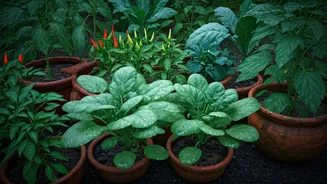


Embrace the Balcony Boom
Gone are the days when gardening was reserved for those with sprawling lawns. As apartments get taller and green spaces shrink, urban Indians are creatively turning their balconies, windowsills, and terraces into verdant oases. The monsoon is the perfect
catalyst for this movement. The season provides natural, consistent watering, cooler temperatures, and high humidity—ideal conditions for many plants to flourish. A balcony garden not only adds a touch of natural beauty to your home but also improves air quality, provides a therapeutic hobby, and can even yield fresh herbs and vegetables for your kitchen. It’s a small, manageable way to reconnect with nature's rhythm amidst the concrete jungle.
The Foundation: Pots and Soil Mix
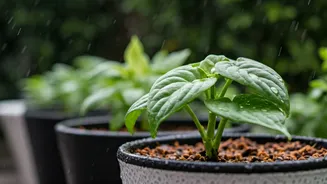
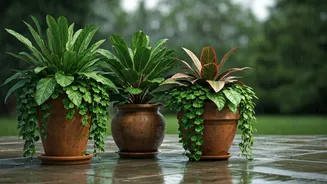
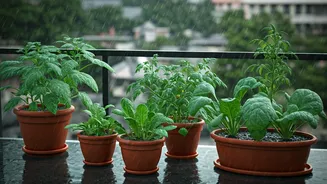
The success of your monsoon balcony garden hinges on one crucial element: drainage. Constant rain can quickly lead to waterlogged soil, which suffocates plant roots and causes rot. Your choice of pot is the first line of defence. Terracotta or clay pots (gamlas) are excellent as their porous nature allows excess moisture to evaporate. If you use plastic or ceramic pots, ensure they have multiple, unobstructed drainage holes at the bottom. Before adding soil, you can place a layer of broken pot shards or small stones at the base to further improve drainage. For the soil itself, avoid using heavy, clay-like garden soil. Instead, opt for a light, well-draining potting mix. A good DIY mix is equal parts cocopeat (nariyal pith), compost, and perlite or coarse sand. This ensures the soil retains enough moisture to stay nourished but allows excess water to drain away freely.
Your Monsoon Plant Palette
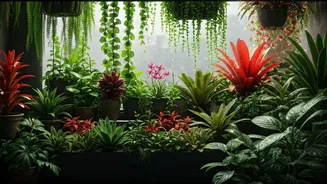
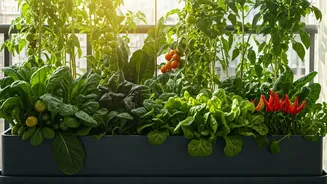
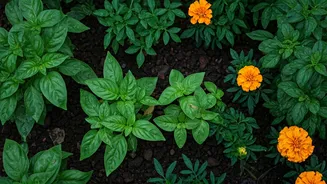
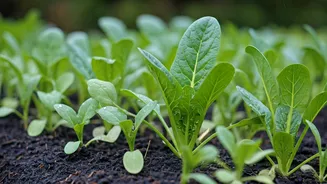
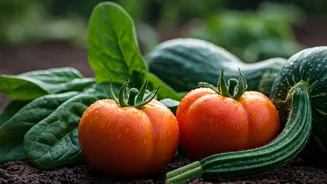
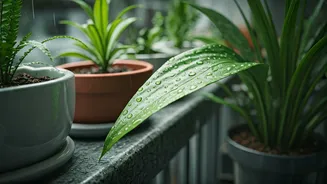
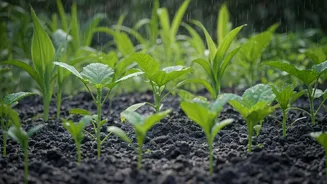
Not all plants enjoy the heavy downpour. Choosing the right species is key. Look for plants that love humidity and can handle ample water. Here are some reliable choices for Indian balconies: * **Flowering Plants:** Balsam (Gulmehndi), Zinnia, Portulaca (Office Time), Marigold (Genda), and Cosmos are vibrant, rain-loving annuals that will fill your balcony with colour. * **Herbs:** The monsoon is a fantastic time to grow a kitchen herb garden. Basil (Tulsi and Italian varieties), mint (pudina), and lemongrass thrive in these conditions. They grow quickly and provide fresh flavours for your chai and cooking. * **Vegetables:** You can successfully grow several vegetables in pots. Consider fast-growing options like spinach (palak), fenugreek (methi), coriander (dhania), chillies, and brinjal. Creepers like cucumber and certain varieties of gourds can also be trained up a trellis. * **Foliage Plants:** For a lush, green look, consider money plants, syngonium, and various types of ferns, which adore the high humidity.
Monsoon Care and Maintenance
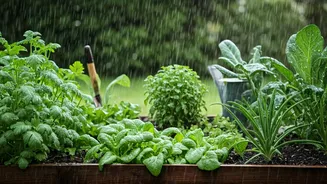
While the rains do much of the work for you, a little maintenance goes a long way. Check your pots daily to ensure the drainage holes aren't clogged. While it seems counterintuitive, you may still need to water your plants. If your balcony is covered or angled in a way that pots don't receive direct rain, the soil can dry out. Feel the top inch of soil; if it's dry, it's time to water. The monsoon also brings pests like snails, slugs, and fungal diseases. Regularly inspect the undersides of leaves. A simple spray of neem oil solution (a mixture of neem oil, a mild liquid soap, and water) every 10-15 days can act as a natural, preventative pesticide and fungicide. Lastly, prune any yellowing leaves or dead flowers to encourage new growth and maintain air circulation around the plants.