


A Welcome Boost in Connectivity
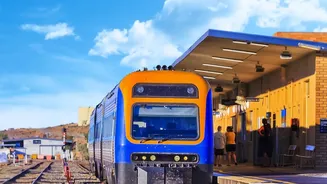
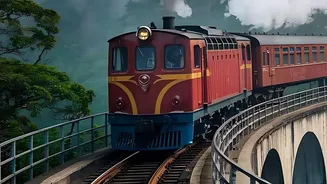
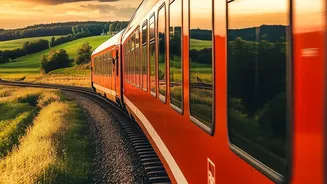
New train services, like the recently announced daily express between Mumbai and Sawantwadi Road, are celebrated as milestones in Indian infrastructure. They promise to shrink the vast distance between the bustling metropolis and the serene towns of the Konkan
coast. For thousands of passengers travelling for tourism, business, or to visit family, these trains offer a direct, reliable, and comfortable alternative to arduous road journeys. With stops at key towns like Chiplun, Ratnagiri, Kankavli, and Kudal, such services are vital for regional mobility and economic growth. The primary appeal is the significant reduction in travel time and the enhanced comfort compared to buses, making the scenic Konkan region more accessible than ever.
The Station Location Dilemma
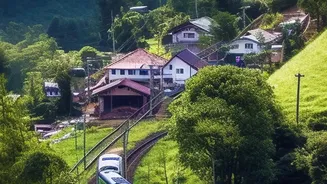
However, the convenience promised by these modern trains often meets a harsh reality upon arrival. A long-standing issue with the Konkan Railway route is the geographical placement of its stations. Many, including Sawantwadi Road, Kudal, and Ratnagiri, were built several kilometres outside the main towns they are meant to serve. This wasn't an oversight but a necessity of engineering, as the railway line had to be constructed on flat, stable land, avoiding the hilly and challenging terrain where the towns are often nestled. While a sound engineering decision, it created a significant gap in the travel chain: the 'last mile'. For passengers, the journey doesn't end when they step onto the platform; it simply enters a new, often more challenging, phase.
Cracking the Last-Mile Code
This is where the practical problems begin for travellers. Upon disembarking, passengers are often faced with a limited and expensive set of options to reach their final destination. The availability of state transport buses can be infrequent and their schedules may not align with train arrivals. This leaves most travellers dependent on auto-rickshaws and private taxis that congregate at the station. With a captive audience, fares can be exorbitant and unregulated, leading to frustration and exploitation, especially for those unfamiliar with the area. Passengers have reported that the cost of the last-mile taxi ride can sometimes rival a significant portion of the train fare itself, undermining the value of the rail service.
The Challenge of Delays and Timetables
The problem of last-mile travel is often compounded by train delays, a frequent occurrence on the congested single-line Konkan Railway corridor. A train scheduled to arrive in the late afternoon might get delayed until well after dark. At these hours, public transport options become even scarcer, and finding a rickshaw or taxi can be a struggle, leaving passengers, including families and the elderly, stranded. Even for on-time trains, a premium service arriving at a convenient daytime hour in Mumbai might reach its destination in the Konkan in the middle of the afternoon, a time when local transport services may be less frequent than during peak morning or evening hours.
The Path to Integrated Travel
Solving the last-mile problem requires a shift in thinking from running a train service to providing a complete, integrated travel solution. The success of models like the Namo Bharat rapid rail, which prioritises integration with other transport modes, offers a blueprint. Feeder bus services with schedules synchronised to train arrivals and departures are a clear first step. Establishing official, pre-paid taxi and auto-rickshaw booths at stations can help regulate fares and provide passengers with a sense of security. Ultimately, a coordinated effort between the Indian Railways, state transport authorities, and local municipal bodies is needed to ensure that the journey from the station is as smooth and efficient as the journey on the rails.