



Keeping a Constant Watch on the Sun
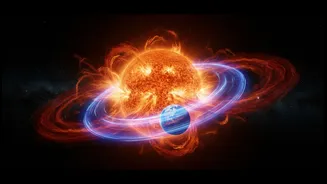
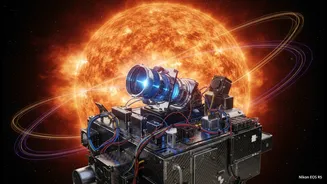
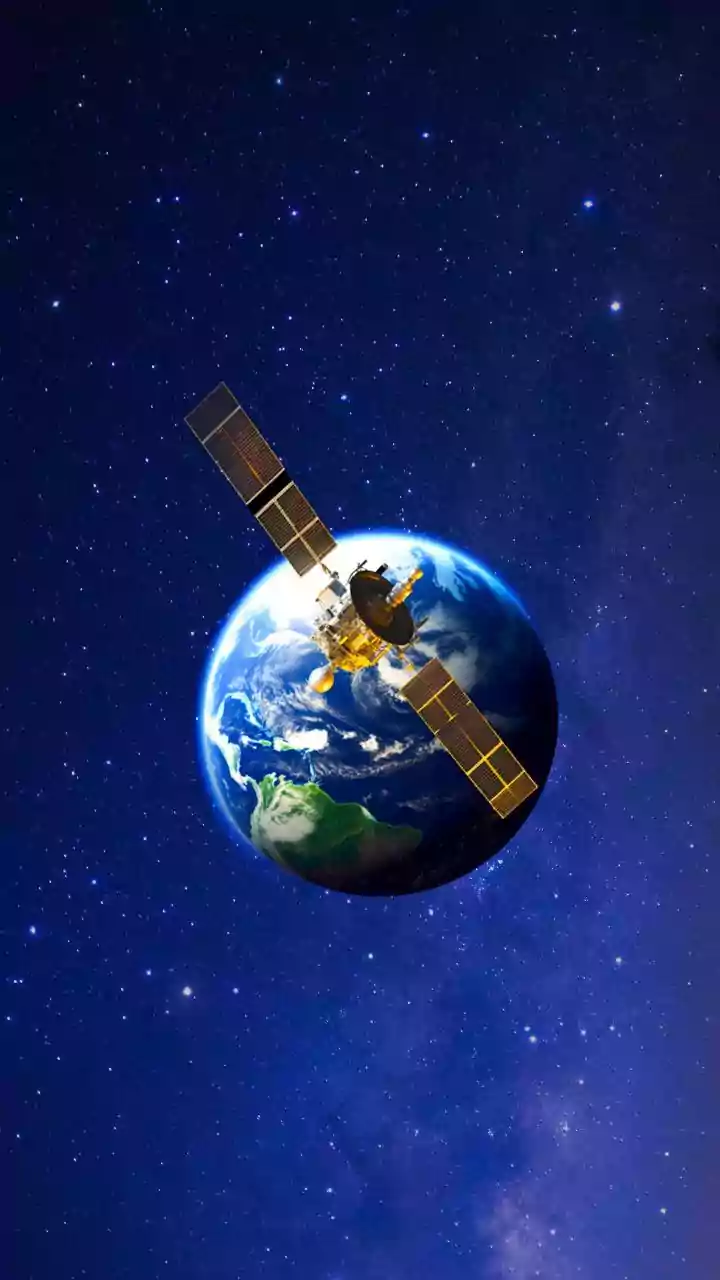
The first step in forecasting space weather is constant observation. A fleet of space-based and ground-based observatories act as our planet's sentinels, with their eyes fixed on the Sun. Missions like NASA's Solar Dynamics Observatory (SDO) and the joint
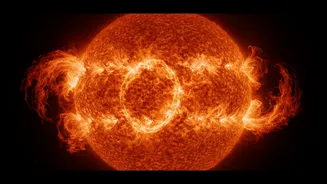
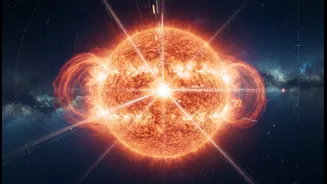
ESA/NASA Solar and Heliospheric Observatory (SOHO) provide a continuous stream of high-definition images of the Sun in various wavelengths of light. These different views allow scientists to see activity on the Sun's surface (the photosphere) and in its super-hot outer atmosphere (the corona). They look for tell-tale signs of an impending eruption, such as the development and magnetic complexity of sunspot groups, which are often the origin points for solar flares and Coronal Mass Ejections (CMEs).
India’s Eye in the Sky: The Aditya-L1 Mission
India has become a key player in this global effort with its first dedicated solar observatory, Aditya-L1. Launched by ISRO, Aditya-L1 is strategically positioned at Lagrange Point 1 (L1), about 1.5 million kilometres from Earth, giving it an uninterrupted view of the Sun. Its suite of seven instruments collects critical data on the solar corona, chromosphere, and the solar wind—the stream of charged particles constantly flowing from the Sun. Data from Aditya-L1 helps scientists in India and around the world understand the dynamics of solar eruptions and has already provided breakthrough insights into how CMEs impact Earth's magnetic field. This enhances our ability to assess space weather threats in real time.
From Raw Data to Actionable Insights
Capturing images is just the start. The massive volume of data from these observatories needs to be processed and analysed. Scientists use sophisticated computer models and, increasingly, artificial intelligence (AI) to sift through the data for patterns. They analyse changes in the Sun's magnetic fields, looking for signs of instability that could lead to an eruption. When a CME occurs, forecasters use images from coronagraphs—special instruments that block out the Sun's bright face to see the fainter corona—to determine its size, speed, and direction. This information is fed into models that predict if the CME is aimed at Earth and, if so, when it will arrive, which can be anywhere from 15 hours to several days later.
The Final Countdown: Issuing the Warning
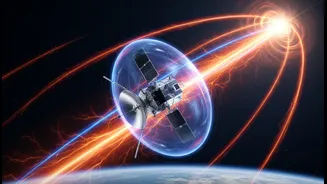
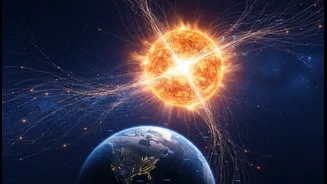
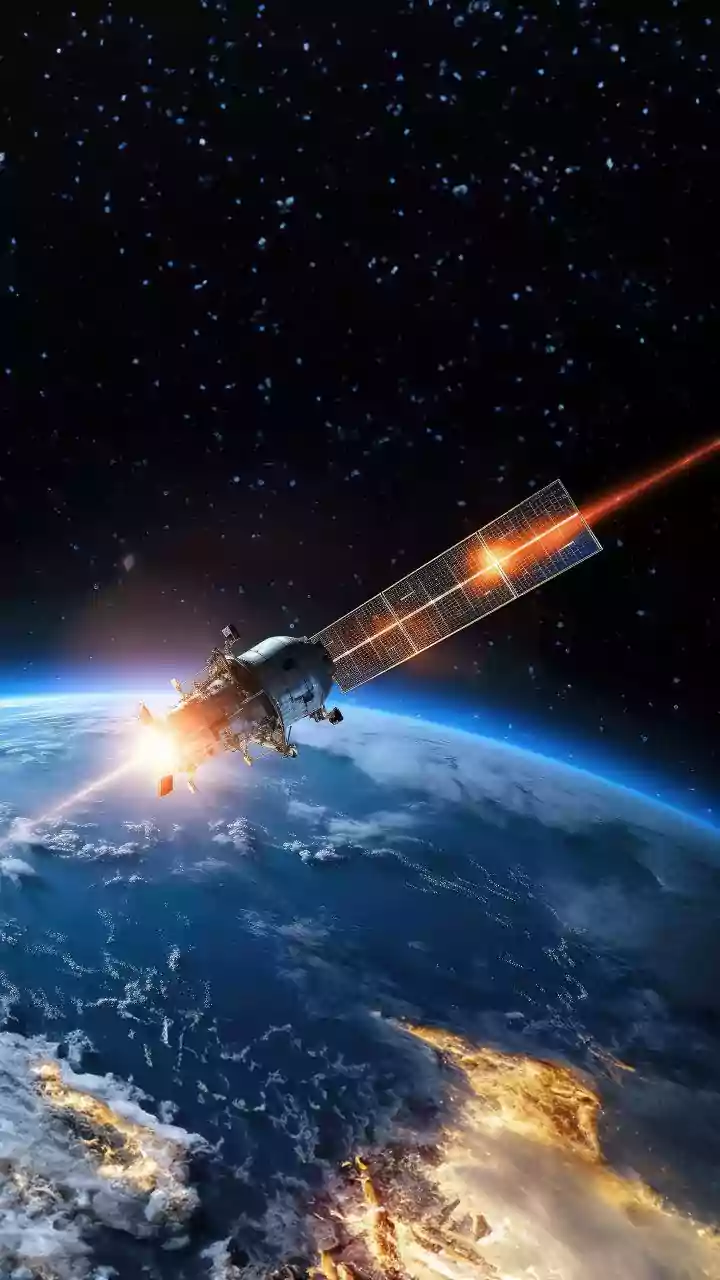
Once a potentially hazardous event is identified, the information is passed to space weather prediction centres, like NOAA's Space Weather Prediction Center (SWPC) in the United States. These centres act as the final link in the chain. They have another key source of data: satellites like DSCOVR, positioned at the L1 point, which can directly sample the solar wind. When a CME passes these satellites, they detect changes in solar wind speed, density, and magnetic field orientation. This provides a crucial, short-term warning—typically 15 to 60 minutes—before the storm's impact on Earth. Based on all this information, forecasters issue watches, warnings, and alerts to government agencies, power grid operators, satellite companies, airlines, and GPS users. These alerts allow them to take protective measures, such as putting satellites into a safe mode, rerouting flights away from polar regions, or preparing power grids for potential electrical surges.