


An Uninhabitable World?
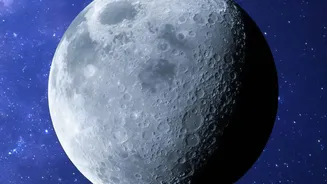
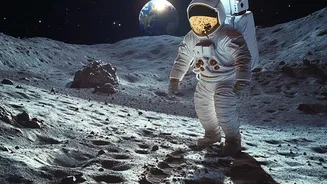
For decades, the Moon has been considered a sterile environment, utterly hostile to life. With no atmosphere to speak of, its surface is bombarded by unfiltered ultraviolet (UV) radiation from the sun. Temperatures swing wildly from scorching highs of over
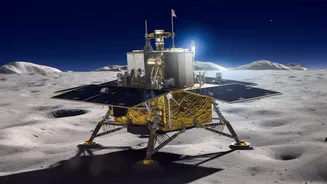
120°C in the sun to frigid lows in the darkness. It's a place where life as we know it simply shouldn't stand a chance. Early missions to the Moon's equatorial regions reinforced this view, finding conditions that would quickly destroy any terrestrial organism. But as NASA sets its sights on the lunar south pole for the upcoming Artemis missions, that perspective is being challenged.
A Shelter in the Shadows
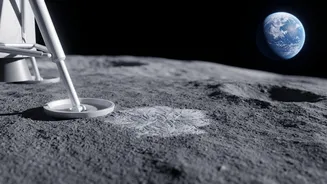
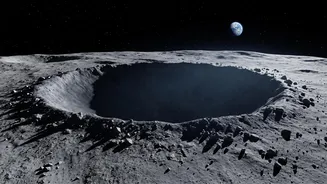
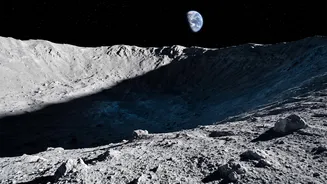
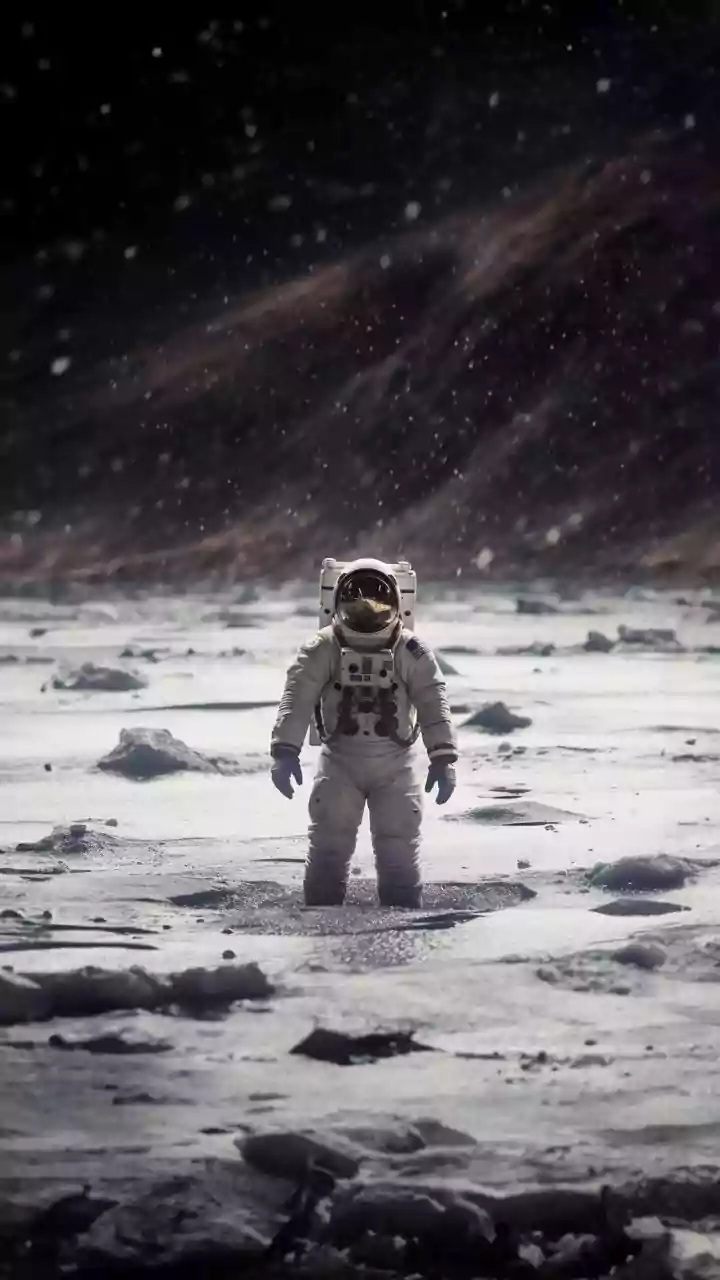
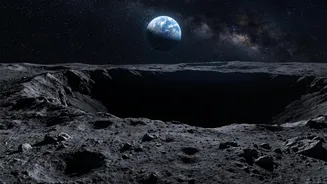
The game-changer at the lunar poles is the angle of the sun. Because of the Moon's slight axial tilt, the sun hangs low on the horizon, skimming the surface almost horizontally. This creates long, and in some cases permanent, shadows in craters and other depressions. A recent NASA-led study published in August 2026 revealed that these shadowed areas could act as tiny refuges for microbes. The research, which relied on detailed thermal and radiation models from the Lunar Reconnaissance Orbiter, showed that even a small depression—like the tread of a rover's wheel or an astronaut's boot print—can create a 'survivable niche'. By blocking the most intense UV radiation, these microscopic shadows could give earthly microbes a fighting chance.
The Unexpected Survivors
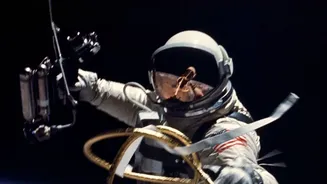
Humans are microbial carriers. On average, a patch of skin the size of a pencil eraser hosts about one million bacteria. These microbes inevitably escape from spacesuits and habitats. To understand what might survive, NASA scientists modeled the resilience of several organisms commonly found on spacecraft, including bacteria like Staphylococcus aureus and fungi like Aspergillus niger (a type of black mold). Surprisingly, these organisms, which are not typically considered 'extremophiles' built for harsh conditions, showed they could potentially survive. In the simulations, they didn't grow or reproduce, but entered a dormant state called cryptobiosis, where cellular activity pauses. The fungus Aspergillus niger proved particularly tough, with its resistance to UV radiation allowing it to potentially survive even in areas with some partial sunlight.
The Planetary Protection Problem
The findings present a significant challenge for the principle of 'planetary protection'—the practice of preventing contamination of other celestial bodies with Earth life. The primary goal is to ensure that when we search for signs of life or unique chemistry on other worlds, we aren't just finding our own reflection. If a boot print can preserve our biological fingerprints, it could complicate future scientific analysis of the Moon. This issue becomes even more critical as we look ahead to missions to Mars, where the search for past or present life is a central objective. While robotic probes can be intensely sterilized, often by baking them at high temperatures, this isn't an option for crewed missions. Understanding where our microbial companions could survive is the first step in mitigating the risk of contamination.
An Imperfect Opportunity
While the prospect of contamination is unsettling for some scientists, others see an opportunity. As Prabal Saxena, a planetary scientist who led the study from NASA's Goddard Space Flight Center, noted, it creates a chance to turn an imperfect situation into a useful experiment. The Moon could become a natural laboratory for testing the absolute limits of microbial survival in an environment that cannot be perfectly replicated on Earth. The study itself was based on computer simulations, as no active terrestrial microbes have actually been detected on the lunar surface. By carefully studying areas around future lunar habitats, scientists can learn invaluable lessons that will inform planetary protection protocols for decades to come, ensuring the integrity of our search for life beyond Earth.