

Why Light Is Your Plant's Main Meal
Before we even discuss soil or water, we have to talk about light. It's the single most important factor for your plant's health. Through a process called photosynthesis, plants convert light into the energy they need to grow, produce leaves, and even flower.
Different plants have evolved in different environments across the globe, from shady forest floors to sun-drenched landscapes. This means they are genetically programmed to need specific amounts of light. When we bring them into our homes, our job is to replicate those native light conditions as closely as possible. Putting a sun-loving plant in a dark corner is like asking it to survive on a starvation diet, while placing a shade-dweller in a hot, sunny window can cause its leaves to burn.
How to Read the Light in Your Home
Becoming a light detective in your own space is simple. The direction your windows face is the best indicator of the type of light you have. In India, a north-facing window provides the least intense, or 'low,' light. An east-facing window gets gentle morning sun, which is great for many plants. A west-facing window receives strong, hot afternoon sun. And a south-facing window gets the brightest, most intense direct light for most of the day. Also, consider obstructions. A large tree or a neighbouring building can turn a potentially bright window into a source of low or indirect light. The simplest rule is: observe. Watch how the sun moves across your rooms throughout the day before you decide where to place a plant.
For Low-Light Corners: The Survivors
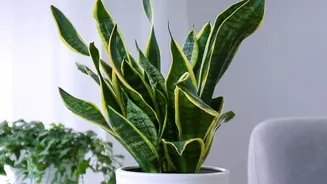
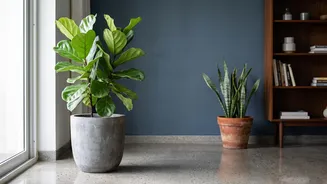
Many Indian apartments have rooms with limited natural light, but that doesn't mean they have to be plant-free. Low-light plants are those that can tolerate and even thrive in shadier spots, often away from a window. The undisputed champions of this category are the Snake Plant (Sansevieria), ZZ Plant (Zamioculcas zamiifolia), and Pothos (Money Plant). The Snake Plant is incredibly hardy, purifies the air, and survives neglect. The ZZ Plant, with its glossy, dark leaves, is almost indestructible and performs well with minimal light. The Pothos is a fast-growing vine that is famously tough and can be found in homes across India. These plants are perfect for beginners or for adding green to bedrooms and hallways.
For Bright, Indirect Light: The All-Stars
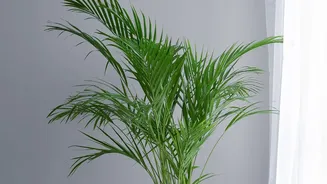
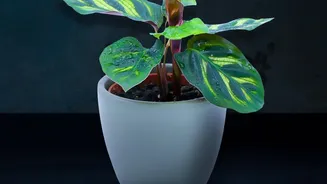
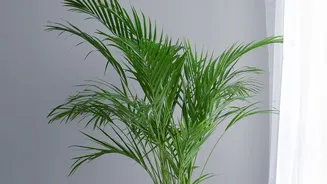
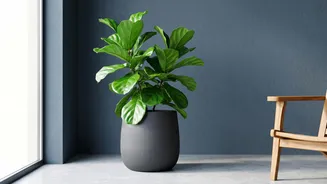
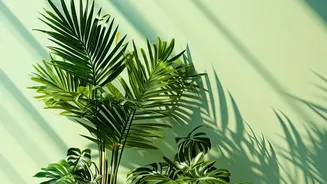
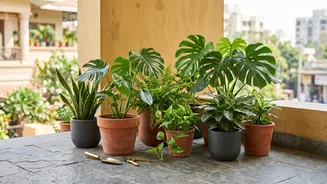
The 'bright, indirect light' sweet spot is the condition most tropical houseplants love. This means a spot near a window where the sun's rays don't directly hit the plant's leaves for more than an hour or two. It’s the kind of light you’d find near an east-facing window or a few feet back from a west- or south-facing one. This category includes a huge variety of popular plants known for their beautiful foliage. Think of the iconic Monstera Deliciosa, the diverse family of Philodendrons, elegant Peace Lilies, and the stunningly patterned Calatheas. Many of these plants, like the Peace Lily, will even reward you with flowers in these conditions. The Rubber Plant (Ficus elastica) and various Palms also do wonderfully in this light.
For Sun-Drenched Windows: The Sun Worshippers
If you have a south- or west-facing window that gets several hours of direct, unfiltered sun, you have the perfect spot for sun-loving plants. Trying to grow a low-light plant here would result in scorched, yellow leaves. Instead, embrace the light with plants that crave it. This is the domain of most succulents and cacti, which are adapted to arid, sunny environments. Aloe Vera is another great choice; it's both beautiful and useful, but it needs bright sun to thrive. Certain flowering plants and those with very colourful foliage, like Crotons, also need a lot of direct sun to maintain their vibrant hues and produce blooms. Just remember that plants in direct sun will dry out much faster and require more frequent watering.
Listening to Your Plant's Light Signals
Your plants will tell you if they're unhappy with their lighting situation. If a plant isn't getting enough light, you might notice 'leggy' growth, where the stems are long and stretched with large gaps between the leaves. The new leaves may be smaller than older ones, and the plant may lean dramatically toward the window. For variegated plants, a lack of light often causes them to lose their colourful patterns and revert to solid green. On the other hand, a plant getting too much direct sun might have leaves that look scorched, crispy, faded, or yellow. Paying attention to these visual cues allows you to make adjustments before the plant's health significantly declines.