

Why Are EVs Still Expensive?
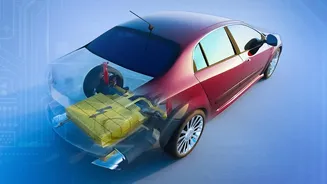
The single biggest contributor to an electric vehicle's price tag is its battery pack. For years, the industry has relied on lithium-ion technology. While effective, lithium-ion batteries depend on materials like lithium and cobalt, which are not only
expensive but also have geographically concentrated supply chains. This creates price volatility and geopolitical risks that directly translate to higher costs for car manufacturers and, ultimately, for consumers. India's push for EV adoption has been hampered by this reality; the upfront cost of an electric car or scooter remains a significant barrier for the average buyer, keeping widespread adoption just out of reach.
Enter Sodium-Ion: The Salt-Powered Alternative
Imagine powering a vehicle with a battery made from a core component of common salt. That is the fundamental promise of sodium-ion technology. Sodium is one of the most abundant elements on Earth, making it vastly cheaper and more accessible than lithium. This technology operates on a principle similar to lithium-ion, moving sodium ions between electrodes to store and release energy. The cost of raw materials for a sodium-ion cell can be substantially lower than for a lithium-ion cell, presenting a clear path to reducing the overall cost of an EV. Several Indian companies, including Reliance New Energy, Indi Energy, and GODI, are already investing heavily in this space, aiming to create a domestic manufacturing ecosystem.
New Guidelines Pave the Way
Technology alone isn't enough; it needs a clear regulatory framework to flourish. The Bureau of Indian Standards (BIS) has been developing standards for sodium-ion batteries, similar to the existing ones for lithium-ion. These guidelines are crucial as they establish a common benchmark for safety, performance, and reliability. By defining testing protocols and quality requirements, BIS certification gives manufacturers the confidence to invest in production lines. It ensures that all batteries entering the market meet a minimum safety standard, preventing substandard products and building consumer trust. This standardization is the critical step that moves sodium-ion tech from the lab to the factory floor.
How Standardization Lowers Costs
Clear guidelines create a level playing field, which fosters competition and innovation. When all manufacturers are building to a recognized standard, it becomes easier to scale up production, leading to economies of scale. Furthermore, it allows for interoperability, where batteries from different makers can potentially be used in various vehicles. This reduces proprietary lock-ins and encourages a more robust supply chain. For manufacturers, these standards de-risk investment in new production facilities. For consumers, the result of this increased scale and competition is simple: lower prices for the final product.
The Inevitable Trade-Offs
While sodium-ion batteries offer a compelling cost advantage, they aren't a perfect replacement for lithium-ion in every scenario. Their main limitation is lower energy density. In simple terms, a sodium-ion battery of the same weight will store less energy than a high-end lithium-ion one, resulting in a shorter driving range. This makes them less ideal for premium, long-range EVs. However, this trade-off is perfectly acceptable for the entry-level market, such as electric two-wheelers, three-wheelers, and small city cars designed for daily commuting where long-distance travel is not the primary use case. They also offer benefits like better performance in extreme temperatures and improved safety, with a lower risk of thermal runaway.
The Road Ahead for India's EV Dream
The combination of low-cost sodium-ion technology and supportive government guidelines is a powerful catalyst for India's EV market. We are likely to see this technology first deployed in the two and three-wheeler segments, which are highly price-sensitive. Companies like Indi Energy are even developing innovative methods like using agricultural waste to produce hard carbon for anodes, creating a uniquely Indian and sustainable supply chain. While you may not see a sodium-ion battery in a high-performance luxury EV soon, this technology is poised to power the affordable, everyday electric vehicles that could truly transform urban mobility across the country.