




What Exactly Is Sumac?
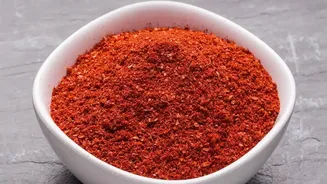
Sumac is a widely used spice in Middle Eastern and Mediterranean cooking, made from the dried and ground berries of the wild sumac shrub, Rhus coriaria. For thousands of years, long before lemons were common in Europe, this spice was used to add a sour
taste to foods. It's important to note that the culinary variety is completely different from poison sumac, which has white berries and is unsafe. Edible sumac, with its deep red berries, is a beloved ingredient, prized for its unique flavour and beautiful colour.
A Burst of Lemony Flavour
The taste of sumac is its main attraction: it's distinctly tart, sour, and fruity, often compared to fresh lemon or lime zest. However, its acidity is generally softer and more well-rounded than citrus juice. One of its greatest advantages is that it provides this tangy flavour in a dry form, which means you can add acidity to a dish without adding extra liquid. This makes it perfect for situations where you want a sour kick without making food soggy, such as in dry rubs or on crispy roasted vegetables.
Perfect for Salads and Vegetables
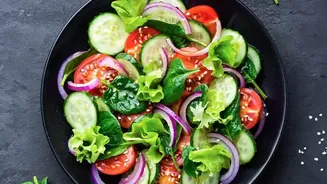
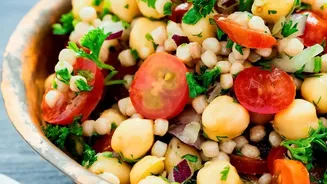
As the headline suggests, sumac is a game-changer for salads and roasted vegetables. When sprinkled on a simple salad of cucumber and tomatoes, it provides a refreshing tang that complements the fresh produce. It is a required ingredient in the classic Lebanese fattoush salad, used in both the dressing and as a finishing garnish. For roasted vegetables like carrots, cauliflower, or potatoes, a dusting of sumac after they come out of the oven adds a bright counterpoint to their sweet, caramelised flavours, balancing the dish beautifully.
Beyond the Basics: Other Uses
Sumac's versatility extends far beyond salads. It can be used as a flavourful rub for grilled chicken, fish, paneer, and fatty meats like lamb, where its acidity cuts through the richness. It is also a key component of the popular Middle Eastern spice blend za'atar, which also contains thyme and sesame seeds. You can stir it into plain yogurt to create a quick, tangy dip, or sprinkle it over hummus, scrambled eggs, or even avocado toast for an unexpected pop of flavour and colour.
A Pinch of Health
In addition to its culinary uses, sumac is rich in a variety of antioxidant compounds, including flavonoids and polyphenols. These compounds help protect the body against cellular damage. Some studies suggest that sumac may have anti-inflammatory properties and could play a role in helping to regulate blood sugar, though more research is needed to confirm these effects. It also contains vitamins and minerals such as Vitamin C, potassium, and calcium.
How to Buy and Store It
When shopping for sumac, look for a vibrant, deep red or burgundy colour; a brownish hue can be a sign that the spice is old and has lost its potency. Ideally, the ingredients list should just name sumac, as some brands add salt. To keep it fresh, store sumac in an airtight container in a cool, dark place away from heat and sunlight, such as a pantry or spice cabinet. While it doesn't spoil, it is best used within a year to enjoy its full, bright flavour.