




A Refreshing Shift in Cafe Culture
Across India's urban centres, a significant shift is underway in what we choose to drink. Health-conscious consumers are increasingly turning away from high-sugar carbonated drinks and cocktails, seeking out non-alcoholic beverages that are both flavourful
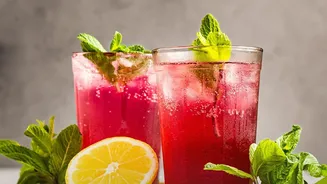
and functional. This growing demand has fueled a creative renaissance in cafes, which are now crafting complex and satisfying mocktails. Instead of simply mixing juices, they are exploring indigenous ingredients and modern techniques to create drinks that tell a story. This trend aligns with a broader movement towards mindful consumption, where patrons desire sophisticated options that don't involve alcohol but still feel special. The Indian non-alcoholic beverage market is expanding rapidly, with a clear preference for natural ingredients and healthier alternatives.
Spotlight on Kokum and Jamun
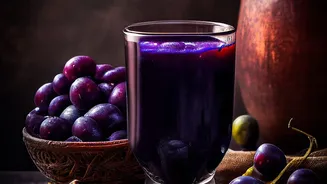
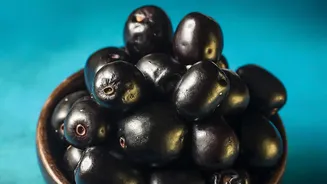
At the heart of this trend are two beloved Indian fruits: kokum and jamun. For generations, kokum, a deep purple fruit from the Western Ghats, has been cherished for its tangy flavour and natural cooling properties, making it a summer staple in the form of sharbat. It's traditionally used as a digestive aid and is rich in antioxidants. Jamun, the Indian blackberry, offers a unique sweet, sour, and astringent taste. It is also packed with vitamins and antioxidants and has a long history in Ayurvedic practices for its various wellness benefits. By featuring these fruits, cafes are not just creating delicious drinks; they are tapping into a sense of nostalgia and celebrating India’s rich botanical heritage in a contemporary format.
The Art of Cold Steeping
The preparation method is just as important as the ingredients. The term 'cold steeped' or 'cold brew' refers to a process where flavours are extracted using cold water over a long period, typically several hours. Unlike hot brewing, which can extract bitter compounds called tannins, cold steeping results in a smoother, naturally sweeter, and less astringent flavour profile. This gentle infusion process is perfect for delicate fruits like kokum and jamun, as it pulls out their nuanced, fruity notes without any harshness. The result is a clean, vibrant mocktail that tastes refreshing and doesn't require much, if any, added sugar to be palatable. This makes it an ideal choice for health-conscious patrons who are avoiding empty calories but still want a flavourful beverage.
More Than Just a Pretty Drink
The popularity of these mocktails is about more than just taste and health. It reflects a growing cultural confidence and a 'return-to-roots' movement in India's food scene. Chefs and beverage creators are increasingly looking inward, finding inspiration in the subcontinent's vast pantry of ingredients rather than relying on imported flavours. Presenting familiar tastes like kokum and jamun in a modern, Instagram-worthy format helps bridge the gap between tradition and contemporary cafe culture. It allows a new generation to connect with flavours their grandparents enjoyed, but in a setting that feels current and exciting. This trend celebrates local agriculture, promotes biodiversity, and gives a platform to India's unique culinary identity on a global stage.