





Why Everyone's Suddenly Talking About Fibre
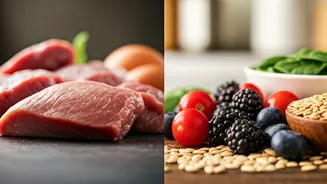
For years, the wellness world obsessed over proteins and carbs. Now, the conversation has shifted to a nutrient that’s crucial for overall health: dietary fibre. Fibre is a type of carbohydrate that our bodies can't digest. [19] Instead, it passes through
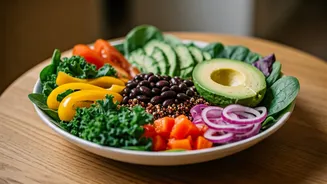
our system, acting as a regulator for blood sugar, a promoter of gut health, and a key player in preventing chronic diseases like heart disease, diabetes, and certain cancers. [3, 6] There are two types: soluble fibre, which dissolves in water to form a gel-like substance that can lower cholesterol, and insoluble fibre, which adds bulk to stool and promotes regularity. [8, 19] A healthy diet needs both, and as experts are realising, a traditional Indian meal is often naturally rich in them. [9, 29]
The Power Trio: Millets, Pulses, and Whole Grains
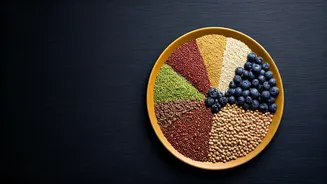
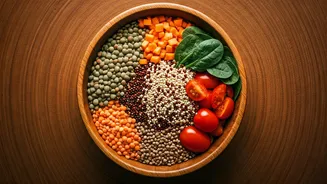
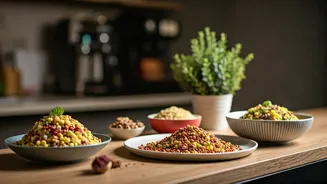
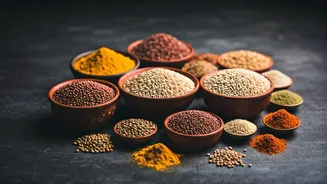
The backbone of India's fibre-rich food story is a trio of pantry staples: millets, pulses (dals and legumes), and whole grains. [4, 5] These foods have been part of our culinary heritage for centuries, forming the foundation of a balanced diet that modern science is now validating. [23, 29] A typical Indian meal, with its combination of grains, pulses, and vegetables, naturally delivers a powerful mix of fibre, protein, and essential micronutrients. [29] This isn't a new diet fad; it's a return to the time-tested wisdom embedded in our daily meals. [23]
The Millet Renaissance: Jowar, Bajra, and Ragi
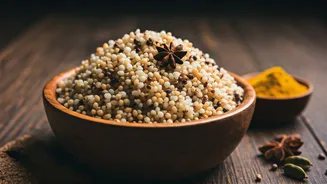
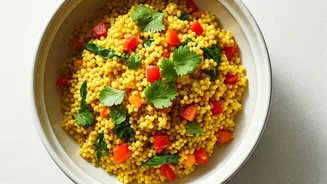
Millets like Jowar (sorghum), Bajra (pearl millet), and Ragi (finger millet) are ancient grains making a major comeback. [20] Celebrated for being gluten-free and having a low glycemic index, their high fibre content is a significant benefit. [17] Ragi is a champion of calcium, crucial for bone health. [1, 22] Jowar is packed with antioxidants and helps in managing cholesterol. [1, 16] Bajra is an iron and protein powerhouse, great for energy. [1, 22] Rotating these millets in your diet—in the form of bhakri, dosa, or porridge—ensures a diverse intake of nutrients and fibre that supports everything from digestion to heart health. [1, 9]
The Humble Dal: A Fibre and Protein Powerhouse
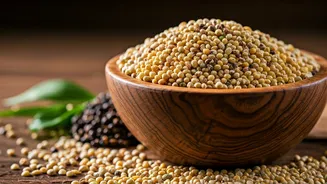
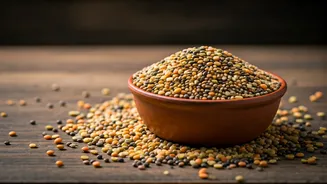
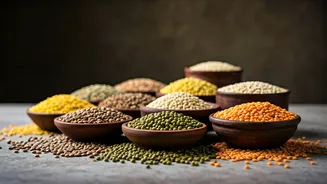
No Indian meal is complete without dal. Lentils and pulses like moong, masoor, chana, and rajma are fundamental to our diet, and for good reason. [5] They are an incredible source of both plant-based protein and dietary fibre. [24, 27] This combination helps you feel full for longer, aids in weight management, and stabilizes blood sugar levels. [25, 27] Chana dal, for instance, has an exceptionally high fibre content. [26] Sprouting pulses before cooking can further enhance their nutritional value and make them easier to digest. [9]
The Simple Switch: Whole Wheat Over Refined Flour
One of the most impactful dietary changes is choosing whole wheat atta over refined maida. [11] Refined flour is stripped of its bran and germ, which removes most of the fibre and essential nutrients. [18] Whole wheat, on the other hand, retains these components. [11] This means that a simple whole wheat roti provides significantly more fibre than its refined counterpart, aiding digestion and contributing to better blood sugar control. [11, 15] This daily staple is a cornerstone of fibre intake in many Indian households, proving that healthy choices are often the most traditional ones. [11]