





An Unprecedented Electric Surge
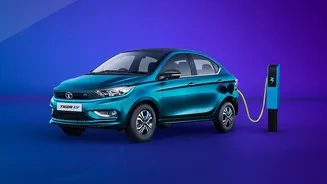
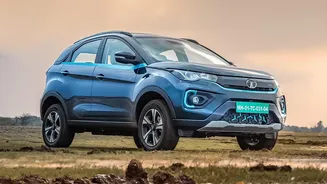
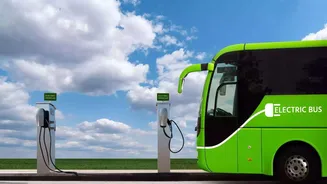
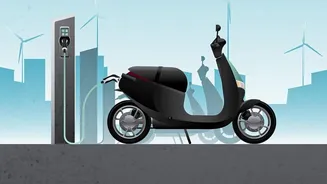
India is in the midst of a significant electric vehicle boom, driven largely by the two- and three-wheeler segments. In August 2026, overall EV retail sales jumped by over 50% year-on-year, with nearly 300,000 units sold. This rapid adoption isn't happening
in a vacuum. Government initiatives like the Faster Adoption and Manufacturing of Electric Vehicles (FAME) scheme and its successor programs have provided crucial demand incentives to make EVs more affordable. These policies, coupled with rising consumer awareness and volatile fossil fuel prices, have created a powerful momentum. The result is a fast-growing fleet of vehicles that do not run on petrol or diesel, fundamentally altering a decades-old consumption pattern.
Chipping Away at the Oil Import Bill
One of the most significant strategic impacts of rising EV sales is the potential reduction in India's reliance on imported crude oil. The country imports over 85% of its oil, making it vulnerable to global price shocks and geopolitical instability. Every electric car, scooter, or auto-rickshaw that hits the road displaces a certain amount of petrol or diesel consumption. According to an SBI Research report, if EVs reach a 20% share of the vehicle market by 2030, India could save nearly ₹1 lakh crore on its import bill. This isn't just a financial gain; it's a step towards greater energy security, reducing the country's exposure to volatile international markets and strengthening its economic resilience.
The New Challenge: Powering the Fleet
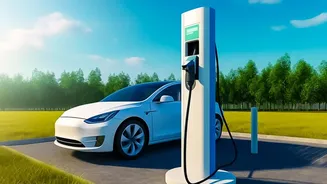
While EVs reduce demand for one type of fuel, they create a massive new demand for another: electricity. This shift presents a complex challenge for India's power infrastructure. The national grid must now support the charging needs of millions of vehicles, which can lead to significant strain, especially during peak evening hours when residential demand is already high. Unmanaged mass charging could risk overloading local distribution transformers and causing voltage fluctuations or even outages. The challenge is compounded by a charging infrastructure that is still playing catch-up. While the network of public charging stations is expanding, issues like reliability, interoperability between different service providers, and delays in getting grid connections for new stations remain significant hurdles.
Making Renewable Energy Non-Negotiable
The growing electricity demand from EVs makes India’s push for renewable energy more critical than ever. Simply powering EVs with electricity generated from coal—which still accounts for the majority of India's power generation—would only shift emissions from the tailpipe to the power plant. To achieve true decarbonisation, the electricity that charges these vehicles must be clean. This creates a powerful synergy; the predictable demand from EVs can help stabilize the grid and absorb the variable output from solar and wind sources. For instance, daytime charging of commercial fleets could align perfectly with peak solar power generation. India has ambitious goals to expand its renewable capacity, and the EV transition both depends on and reinforces the urgency of meeting these targets.
Building a New Energy Ecosystem
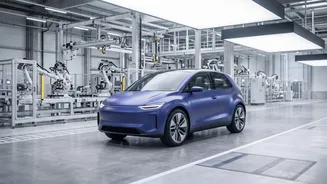
The impact of EVs extends far beyond just vehicles and charging points. It is catalysing the creation of an entirely new energy ecosystem. This includes large-scale domestic manufacturing of batteries, supported by Production Linked Incentive (PLI) schemes designed to build self-reliance and reduce dependence on imports. Furthermore, advanced concepts like Vehicle-to-Grid (V2G) technology are being explored. In a V2G system, EVs can act as mobile batteries, storing excess renewable energy and feeding it back into the grid during times of high demand, thereby helping to balance the system. This transforms the EV from a simple consumer of electricity into an active participant in the energy network, adding another layer of flexibility and complexity to India's evolving fuel mix.