





The Data Driving the Urgency
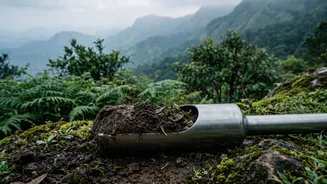
The scientific community's concern is not based on abstract fears but on concrete data. On October 14, 2026, the Kerala State Biodiversity Board (KSBB) launched India's first state-level Red List Assessment of Ecosystems. This pioneering, year-long project
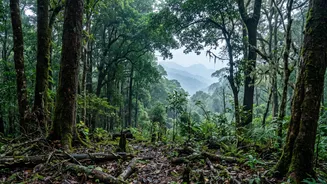
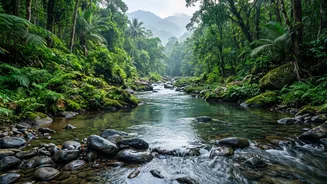
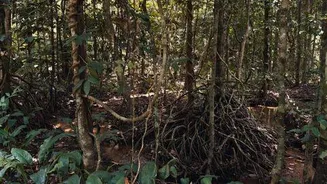
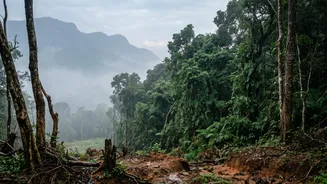
will evaluate the risk of ecosystem collapse across all 14 districts, from coastal areas to high-altitude mountains. Early findings and related studies are already alarming. For instance, some of Kerala's tropical riparian evergreen forests, crucial for riverine health, have shrunk by a staggering 83% over the last century, placing them in the 'Critically Endangered' category under IUCN criteria. Scientists project these vital habitats could face collapse within 20 to 40 years due to pressures like dam construction, invasive species, and climate extremes.
A Cascade of Threats Across Ecosystems
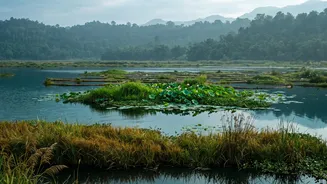
The threats are not confined to forests alone. Kerala's iconic wetlands, backwaters, and coastal zones are also under severe strain. A decade-long study on coastal wetlands highlighted a sharp decline in wading bird populations, signalling wider ecological disruption. Researchers found rising water salinity and temperature, along with chemical pollution from fertiliser runoff, which damages the entire food chain from microorganisms to fish and the birds that feed on them. Furthermore, the proliferation of invasive alien species poses a significant threat. The Kerala State Biodiversity Board has documented 32 alien species in inland waters, with Mozambique tilapia now found in nearly all rivers and reservoirs, displacing native fish. In forests, invasive plants like Lantana camara are choking out native vegetation, hindering natural regeneration and altering entire ecosystems.
The Human Cost of a Weakened Environment
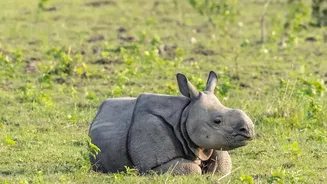
This degradation of natural habitats has direct and severe consequences for human populations. The loss of forests and wetlands reduces the landscape's ability to absorb heavy rainfall, leading to more frequent and intense floods and landslides, disasters that have repeatedly struck the state. Habitat fragmentation and degradation are also key drivers of escalating human-wildlife conflict. As traditional animal corridors are dismantled by infrastructure projects, animals like elephants and wild boars are forced into closer contact with human settlements, resulting in crop damage and tragic loss of life. Between 2021 and 2025, an estimated 344 people in Kerala lost their lives in such conflicts, prompting the state to declare it a state-specific disaster.
The Science-Based Policy Blueprint
In response to these crises, environmental scientists and civil society groups are advocating for a shift from reactive disaster management to proactive, science-led ecological governance. A key recommendation is to embed scientific data into policy at every level. The new Red List Assessment, for example, will produce an official Risk Register and Ecorestoration Priority Maps, designed to be integrated directly into state planning portals and used by local panchayats. Experts are pushing for watershed-based planning as a scientifically sound unit for climate action, alongside better data infrastructure and institutional coordination. Other proposed policies include establishing a 'State Mission for Invasive Species Removal and Forest Ecosystem Restoration' and a 'Kerala Climate Action and Resilience Mission' to align policies on agriculture, land use, and energy.
The Political Challenge
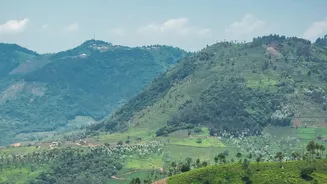
Translating scientific consensus into political action remains a significant hurdle. The debate over the Western Ghats Ecologically Sensitive Area (ESA) notification illustrates this disconnect. For over a decade, successive draft notifications from the central government, aimed at restricting activities like mining and large-scale construction, have faced resistance. In October 2026, the Kerala Assembly unanimously passed a resolution urging the Centre to exclude inhabited areas, plantations, and agricultural lands from the final ESA notification, reflecting deep-seated concerns about livelihoods. While leaders seek to protect farmers, scientists warn that diluting conservation efforts based on administrative instead of ecological boundaries could compromise the entire ecosystem's stability. This highlights the central challenge: balancing immediate economic needs with long-term ecological security.